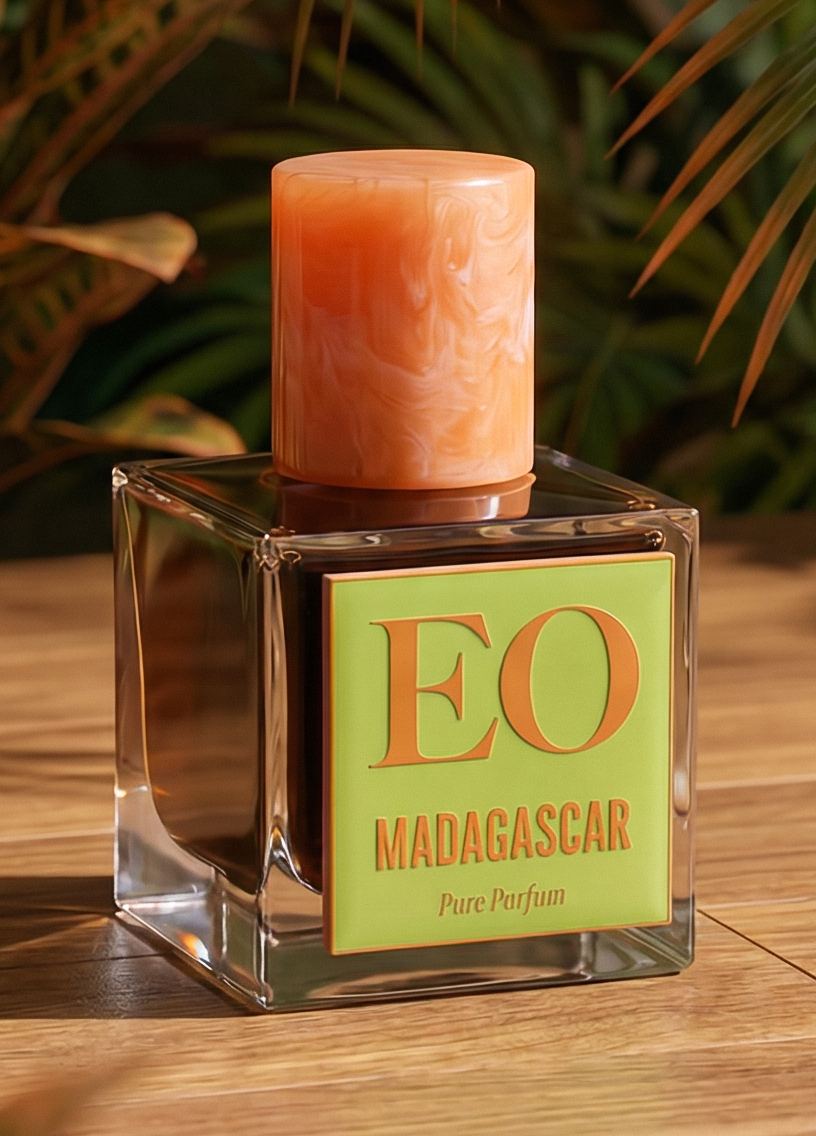
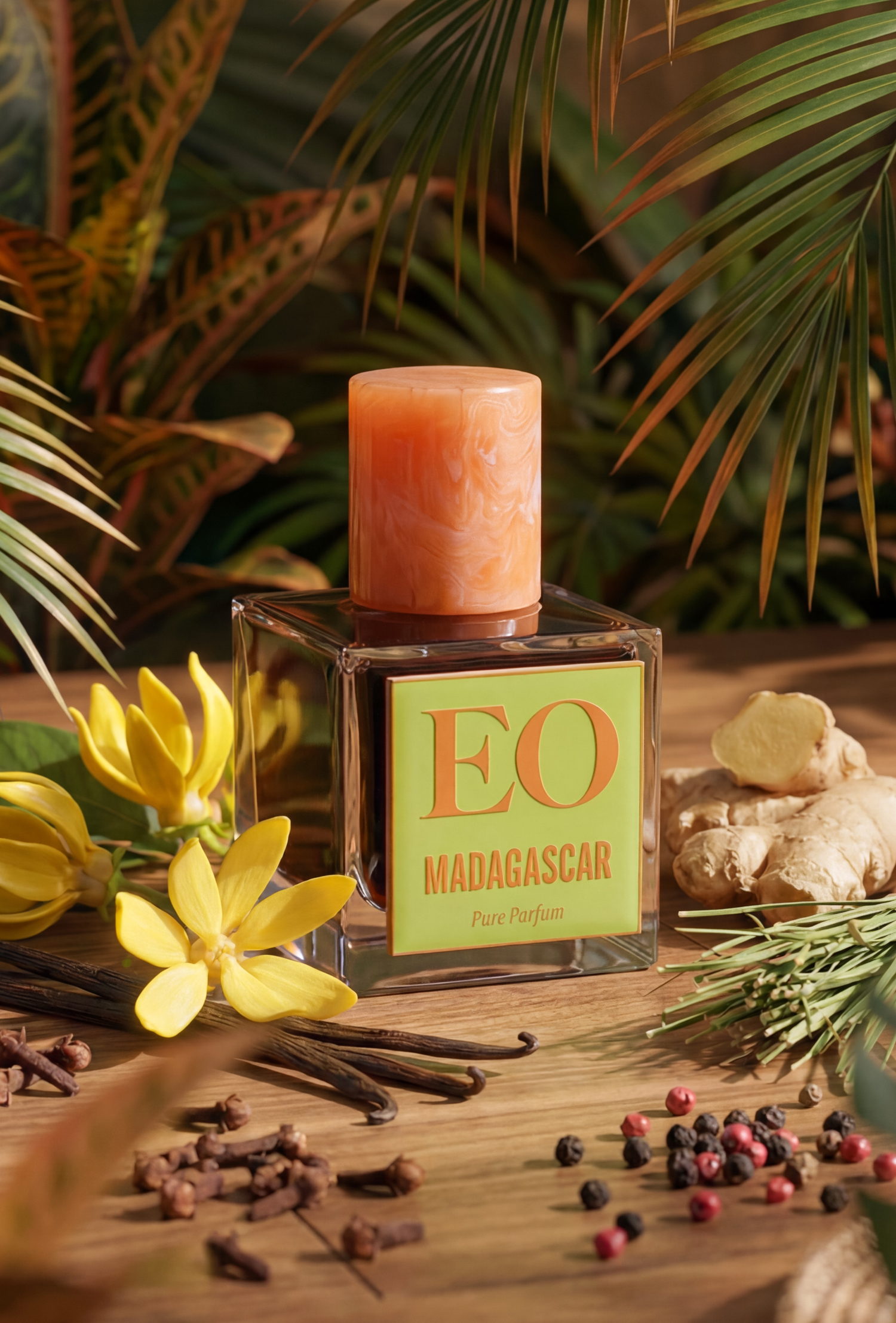
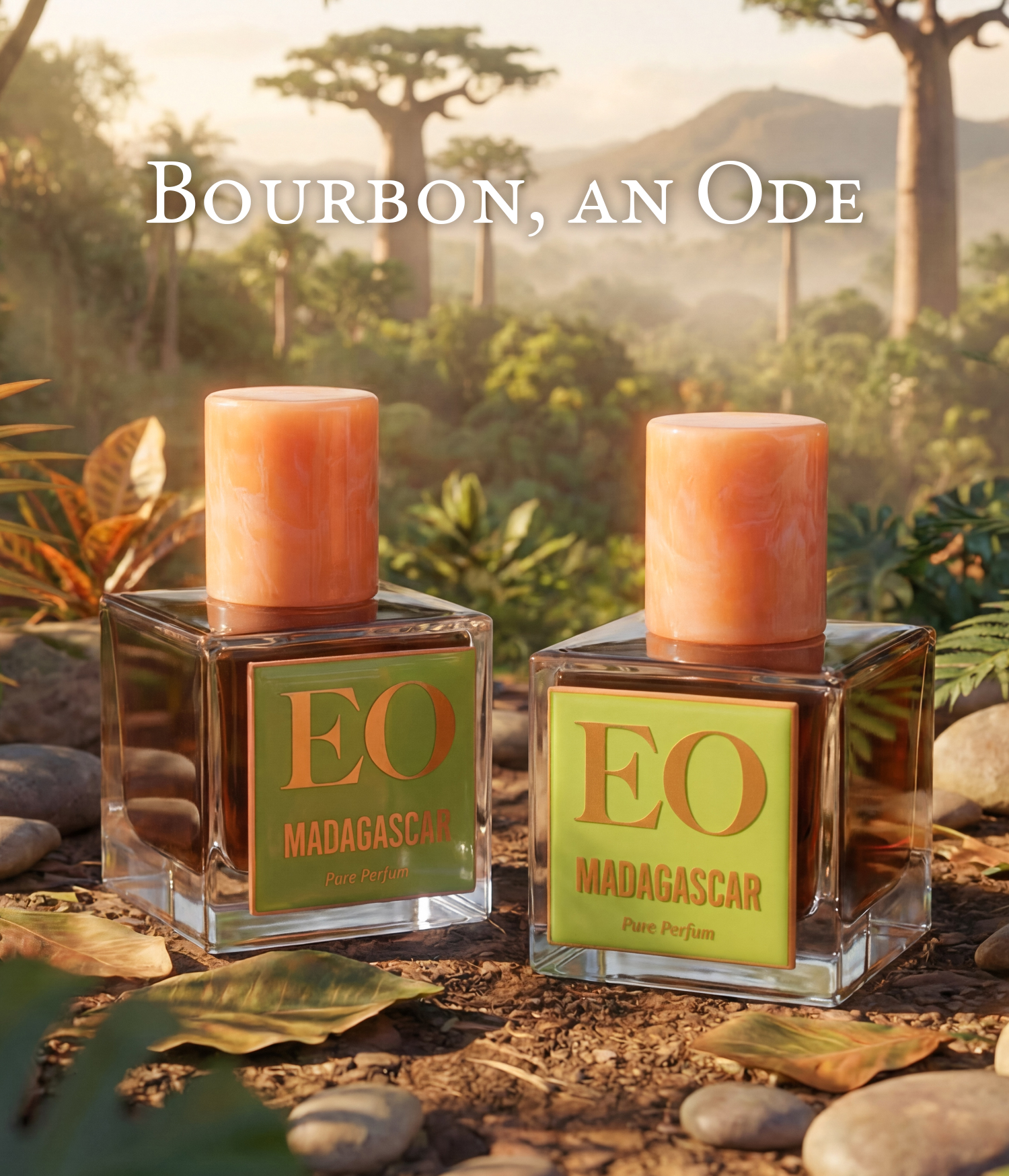
Madagascar
Price range: $399 through $1,995
The first spritz smells like stepping onto the island without warning…
You might not know this, but “Bourbon” (i.e. Malagasy) is a perfumer’s obsession. If an aromatic has a Bourbon alternative – that’s the one you shoot for.
That’s my rule of thumb: If it’s Bourbon, it’s better.
Why?
In Madagascar, vanilla is pollinated by hand – one flower at a time – because the natural pollinator doesn’t exist outside Mexico. Then it’s slow-cured (3-6 months). That’s why true Bourbon vanilla smells deep, oily, and thick instead of light and sugary like the stuff people buy in the supermarket.
(That’s also why Bourbon absolute costs up to 100 times more than other natural alternatives, and often up to 200 times more expensive than the synthetic or wood pulp-derived vanillin – which is why, of course, this is the one most perfumes actually contain).
Ylang-ylang grows elsewhere, but Malagasy distillations produce the richest, creamiest, most narcotic fractions (Extra & I). It’s why Chanel No. 5 historically depended on Bourbon ylang rather than cheaper Indonesian sources.
The spices are so exceptionally spicy because of the island’s climate, not just soil. High UV exposure + heat + humidity = higher aromatic terpene concentration. This is why Malagasy ginger, pepper, and cardamom smell hotter and more explosive than the same species grown in cooler regions. For example, Madagascar clove is the hottest clove in perfumery. The scent is razor-sharp, smoky, almost aggressive – used to add bite, not your usual bakery sweetness.
Most “Bourbon” materials are chemically heavier than their modern substitutes – they’re dense, slow-evaporating, and tenacious. It’s why they smell thicker and last longer than many modern constructions (and why they’re usually harder to physically work with).
(Funny enough, Madagascar is probably most known for the Baobab trees, but unfortunately they don’t possess much of an aromatic profile.)
So, what the world calls “Bourbon” is not a style, but the geographical pressure of this island coded into its aromatics. A fusion of its unique climate, salt air, equatorial sun, and a level of human labor that cannot be mechanized.
This is my ode to this island which has been at the heart of my perfumery since the beginning. Bourbon is part of the EO DNA.
It wasn’t about just using Bourbon ingredients, but composing a perfume about Madagascar: Red earth. Oiled skin. Fermented green. Smoke in the roots. Vanilla so sticky you can barely use it. And the ocean breeze that permeates it all.
The first spritz smells like stepping onto the island without warning. Clove and violet leaf tear through wet vegetation as if the stems were snapped open in the heat. A mesh of salted air and wet earth at once.
Bitter orange throws a hard flash of brightness across dense green air. Imagine wafts of ravintsara (“the good leaf”, native to the island’s medicinal tradition), cut through with a brief mentholic, camphor-clean chill as spearmint sharpens the edge for seconds before a bright-citrus zest continues. Juniper berry and blue cypress drag mineral salt off the Indian Ocean and smear it across the opening, turning humidity into something mineral, earthy, and super zesty.
Underfoot, the island asserts itself through red clay. Not a fantasy red, but iron-rich, rooted rust soil, which I tried to recreate through clove-stained, herb-laced oud. If there was a species of Malagasy agarwood, I think Papuan oud’s unique fusions of green incense with earthen petrichor tones would be its closest cousin. That’s why it’s in here. And the spice layer grows directly out of that ground. Pink pepper that pops. Ginger teases your nose. Cardamom and clove grind warmth into the profile the way red soil stains bare feet after a long walk through rainforest. A fusion of vetiver and cacao begins to surface here already, carrying brewing cocoa vapor, root, and moist mineral grit.
TOP:
Ravintsara, Cardamom, Cypress, Clove, Mate, Ginger, Pepper
HEART:
Ylang Ylang, Juniper Berry, Jasmine Sambac, Osmanthus, Violet Leaf
BASE:
Papuan Oud, Pekanbaru Oud, Sandalwood, Patchouli, Vetiver, Vanilla, Myrrh
Malagasy ylang-ylang moves thick and smells oilier than sweet. Jasmine sambac spreads with humidity still on its skin. Osmanthus bends the composition toward suede and fermented fruit skin while blackcurrant bleeds sour ripeness through the green, hinting at sugar starting to turn under tropical pressure.
The base builds on what Madagascar historically fed into perfumery. Styrax and myrrh burn slow and noir as the vanilla fuses into thick ambered resin that grips rather than softens, the direct result of slow tropical curing.
Everything traces back to how Madagascar actually forces raw materials to behave under heat, labor, and exposure and then conjures this profile of barefoot steps through red clay after rain, salt wind threading through canopy, medicinal leaves crushed between fingers, cocoa-dark shadow passing through humid air, spices ground into soil and skin, vanilla thickening with heat and salty-oceanic ambergris subtly woven throughout.
The carrier was designed to be an oceanic accord; one that brings ozone, wind, and distant brine, while petrichor wafting from inland greenery as if rain just broke the heat.
(Fun fact: Ambergris historically entered Europe through Madagascar trade routes… Whalers and Indian Ocean traders moved ambergris through Malagasy ports into France.)
This is not a tropical fantasy. It’s not a romanticized Bourbon “portrait”. It’s an ode to the island that’s been central to my perfumery for the past twenty years – to this day I regret letting go of some of my Bourbon vetiver (other than what’s in this brew) from those early days! This is an EO rendition of this magical island using its own treasures. Smell them.
Ships by 19 Dec.
Related products
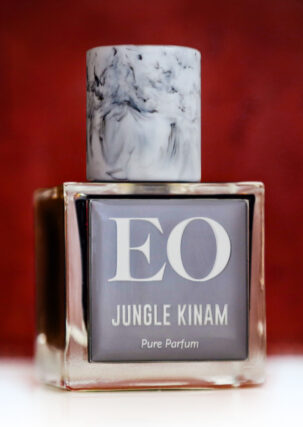
Lavender leaves, sage, and high-hill tea fields diverge beneath a rainy cloud of…
This product has multiple variants. The options may be chosen on the product page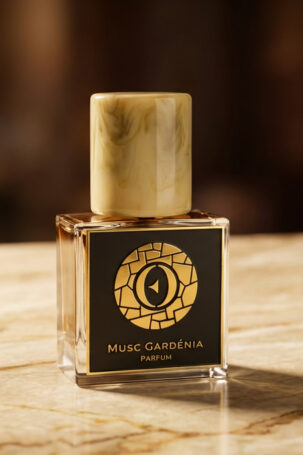
EO Parfums have been quite counter-culture compared to, say, traditional French perfumes. Some may
This product has multiple variants. The options may be chosen on the product page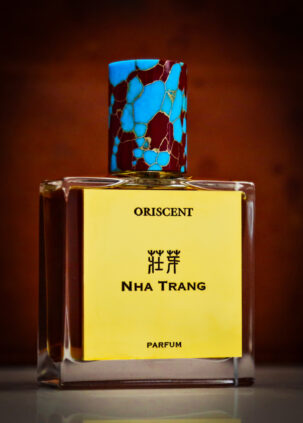
There was one aromatic that would easily have been my…
This product has multiple variants. The options may be chosen on the product page