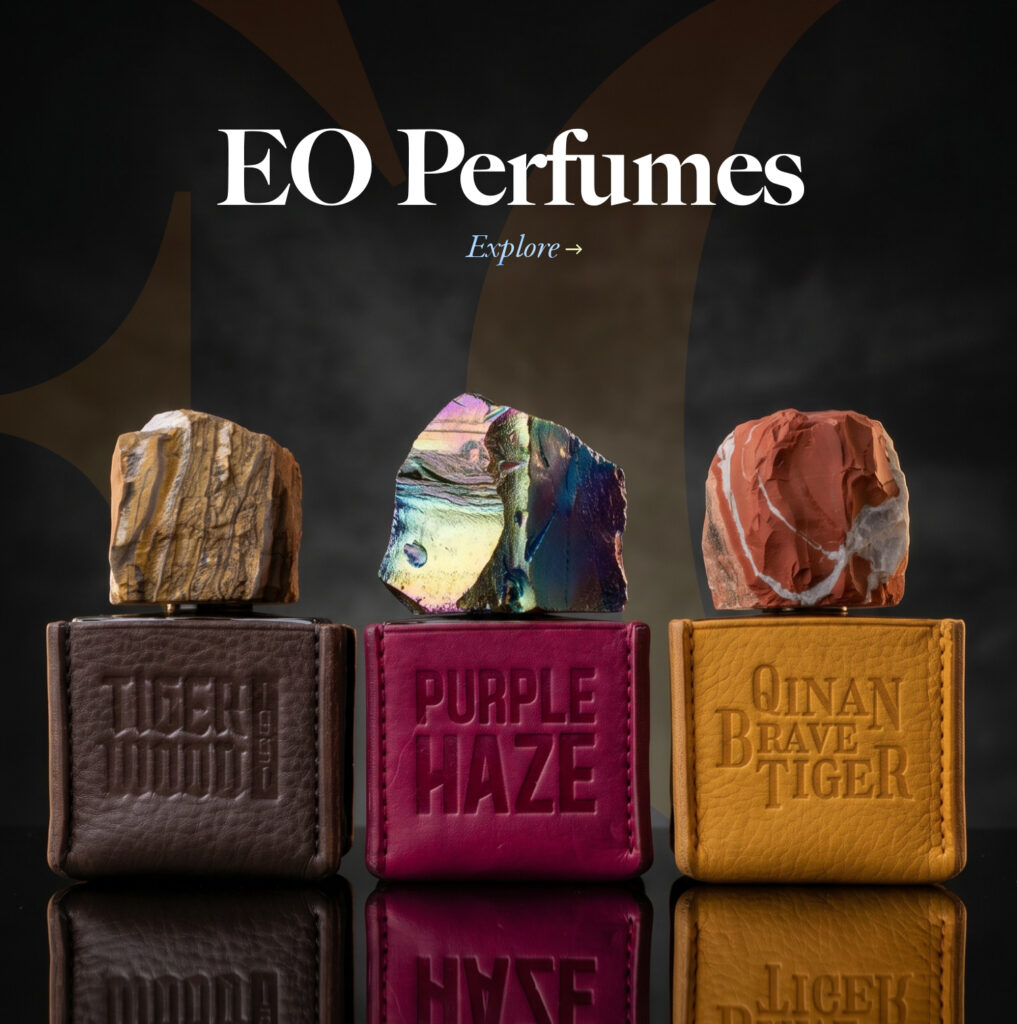
About EO
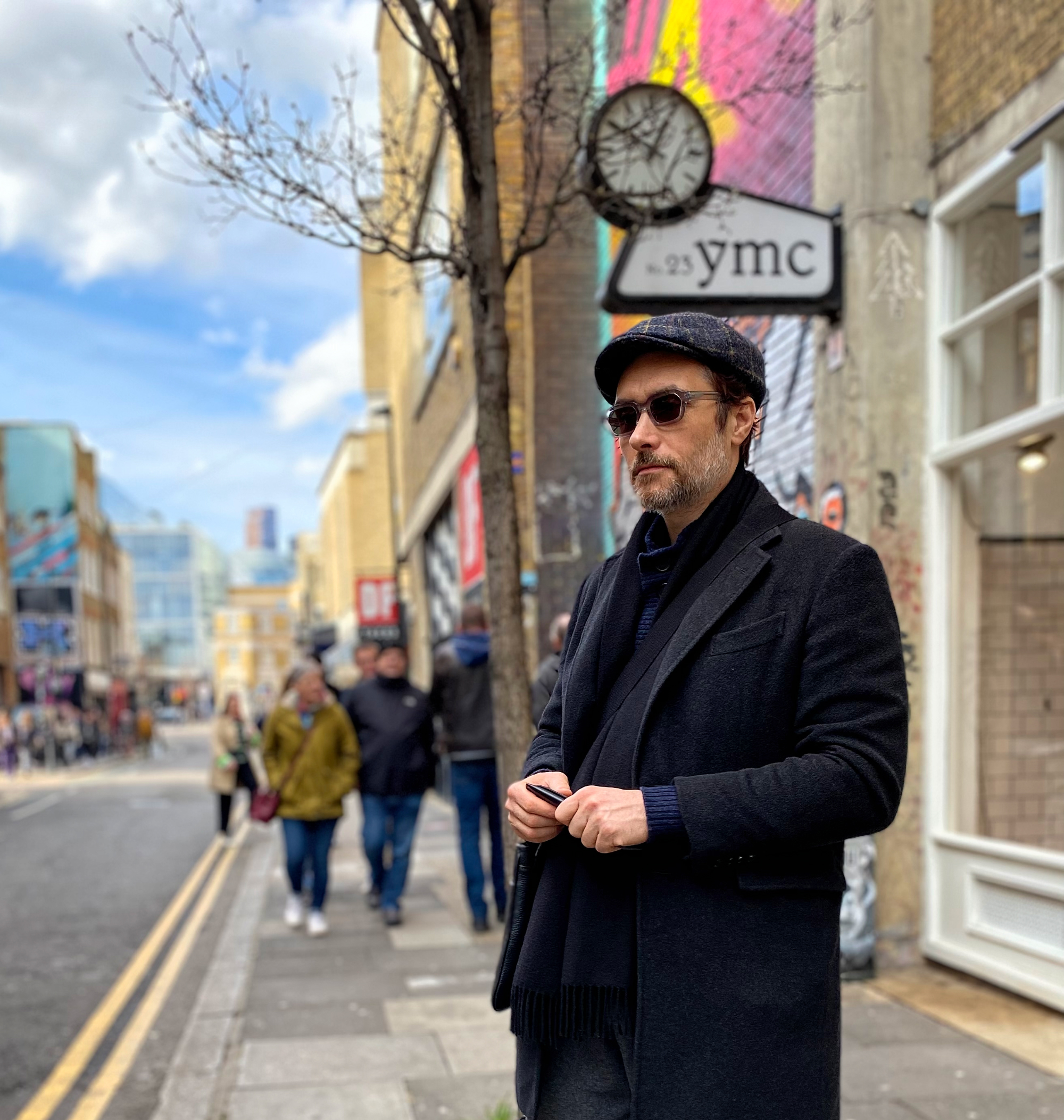
I run every distillation as though I’m going to keep the oil and smell it for the rest of my life.
It came from years spent chasing something most people in this industry have never encountered – a grade of agarwood so rare it has its own name: kinam. The Japanese call it kyara. Collectors pay millions for a single piece. Kinam became the prism that reflected everything I did. Capturing “the green dragon’s breath” in every distillation was the defining obsession that embodied just about every project I threw myself into – and I’ve been able to unearth it in places you’re not supposed to find it.
The commercial oud trade had a map. Everyone followed it – the same supply chains, the same names, the same oils changing hands between brokers who’d never set foot near a tree. I wasn’t interested in the map.
So I started following the wood itself – beyond trading houses and into forests of Burma, Borneo, Thailand, Malaysia, Vietnam, and Cambodia. One trip became another, then another. Everyone else seemed interested in who supplied the oil. I became interested in where it began. A specific tree. A specific soil. A specific distillation.
Oud differs from region to region, the way coffee differs from one terroir to another – climate, species, mineral content, even the water used to treat the wood. Almost no one selling oud could tell you any of that. So I went and found out myself.
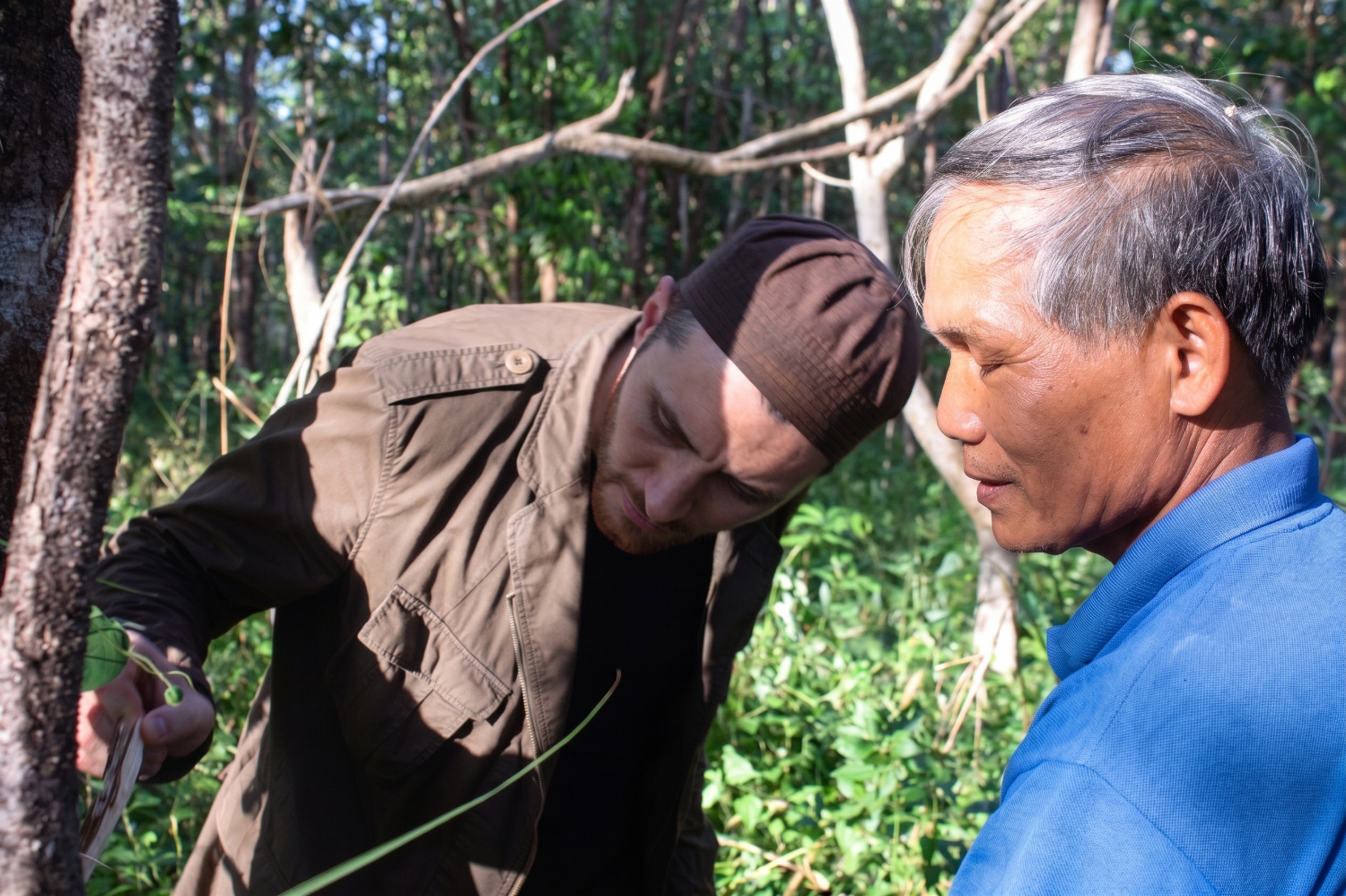
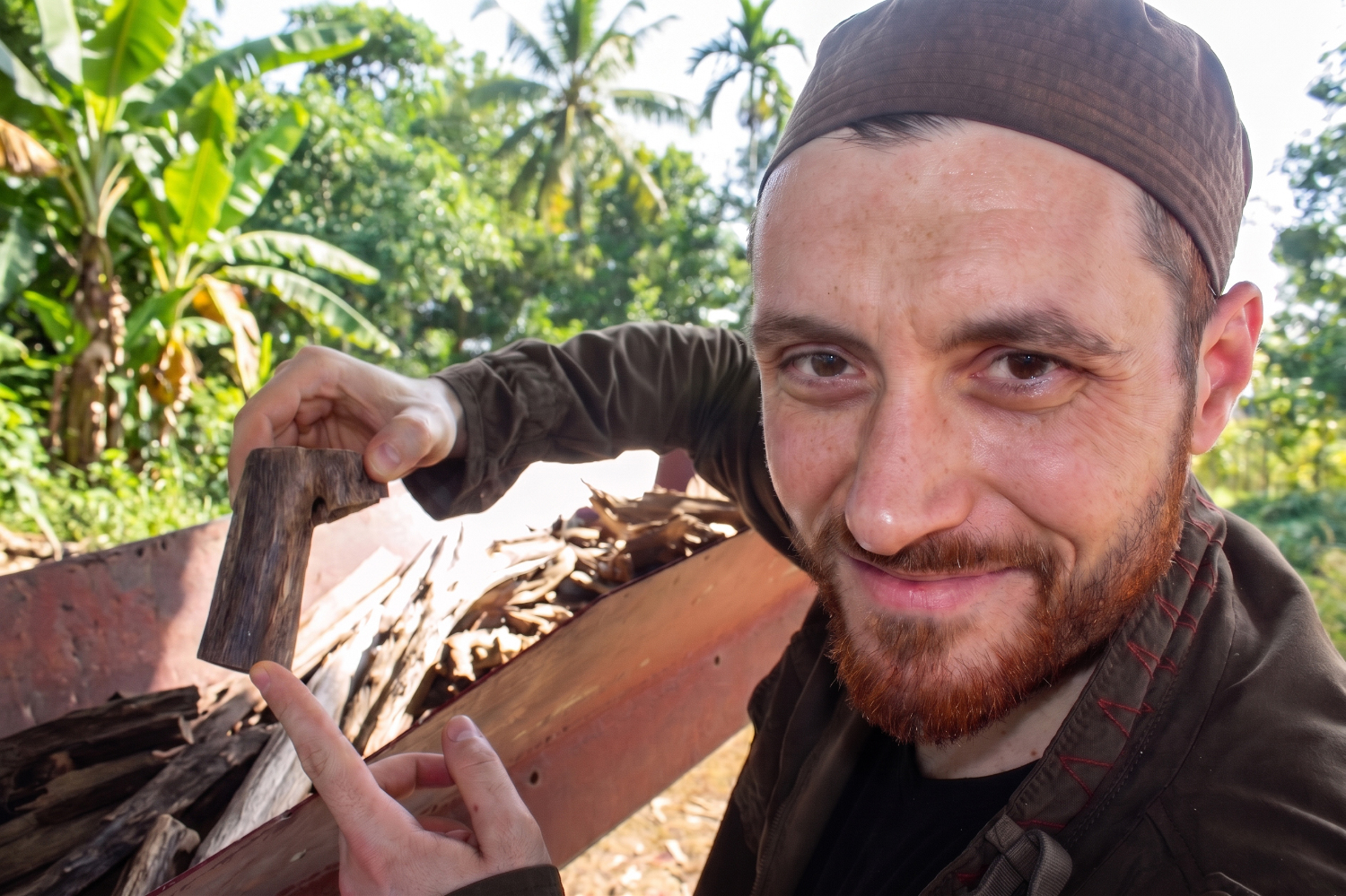
As the years went on, wild oud got harder to find. Trees that had stood for a century were vanishing faster than they could regrow, and the great old groves of Indochina were thinning out for good. So we did two things at once. We sent hunters into what jungle still remained – days on foot, sometimes for a single tree, harvested only when it was ready and never before – and we scoured private and veteran collections for vintage harvests that could no longer be replaced at any price. And in 2011, we launched our Organic Oud mission: years spent proving that a cultivated tree, farmed with real patience instead of chemical shortcuts, could rival the wild oud everyone assumed only nature could produce.
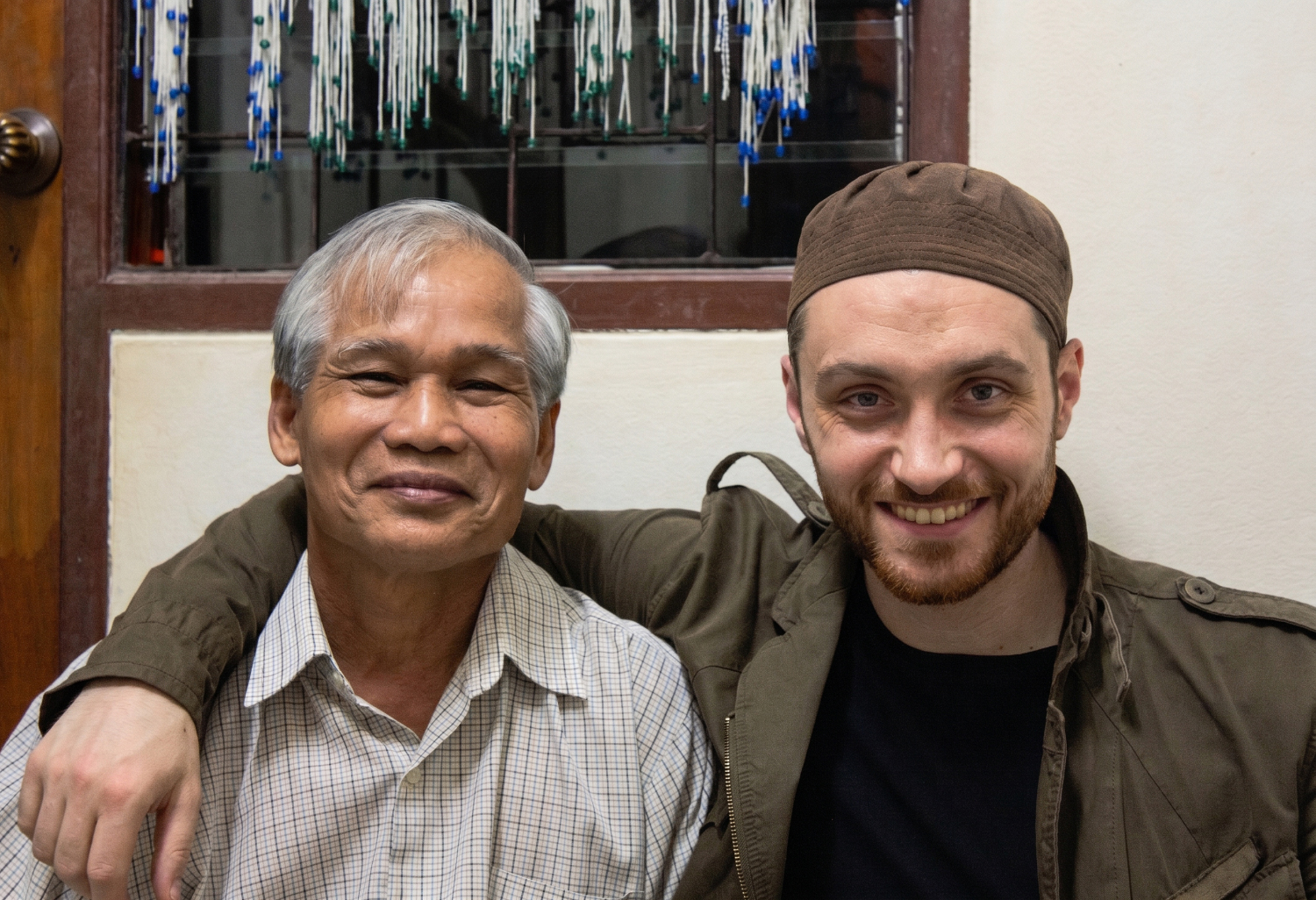
Over time, that search became its own discipline – not a sourcing strategy, but a standard. Go further. Stay longer. Refuse what’s easy.
Every flower, every oud, every aromatic can be understood more deeply. Every process can be refined and every assumption can be tested. For more than twenty years, that conviction has taken me into jungles, villages, farms, distillation sheds, and private collections most of the trade doesn’t know exist…
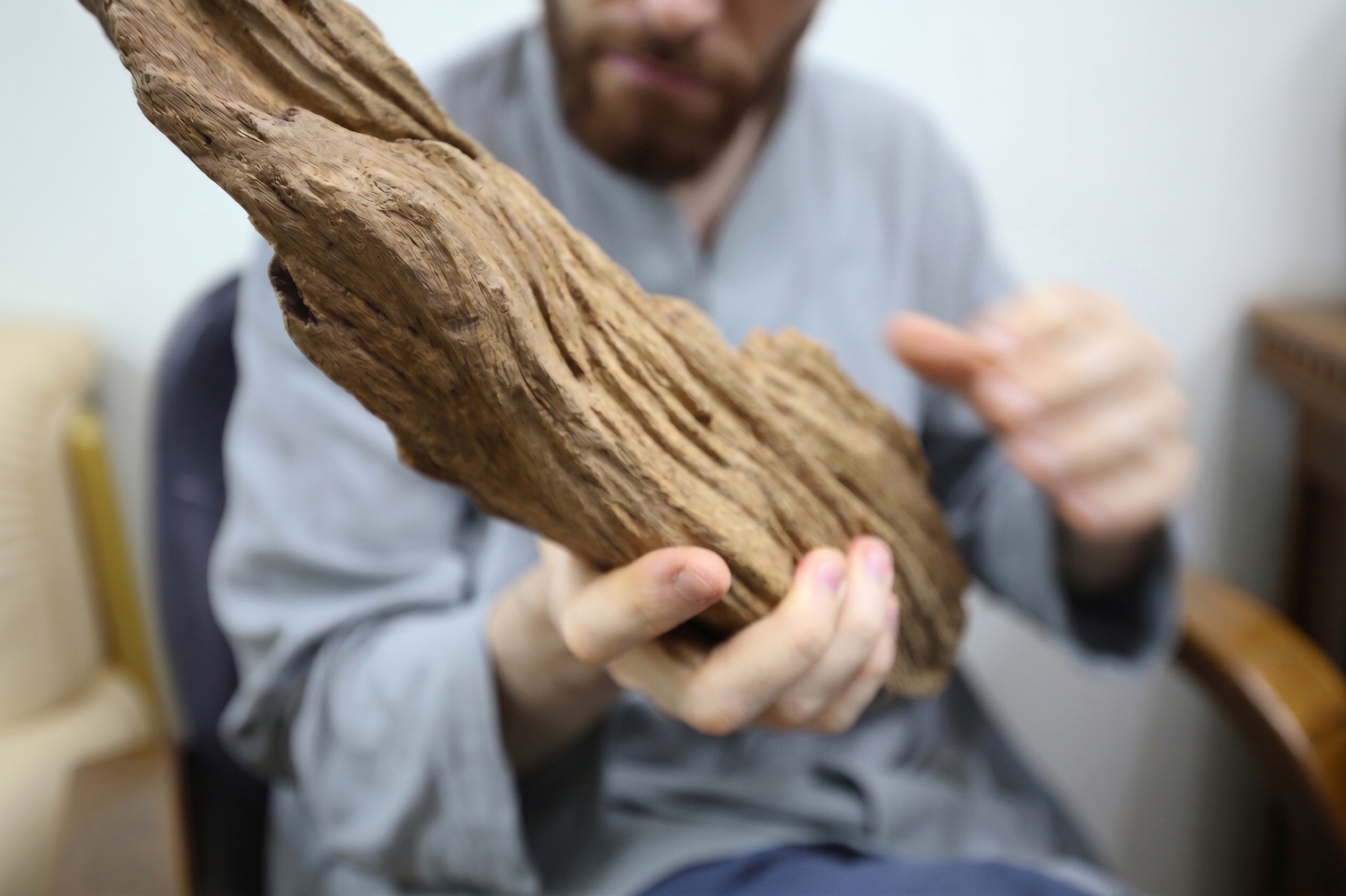
Along the way, the search that began with oud expanded into a search for extraordinary natural perfume materials of every kind.
Ambergris.
Musk.
Rare florals, some grown and processed in ways no commercial house would bother with, because the yield is too small and the cost too high to make sense for anyone chasing margin instead of the work itself.
Vintage harvests that can never be repeated.
Materials so scarce that once they’re gone, they’re gone for good.
That pursuit has involved millions of dollars, thousands of miles, and a level of obsession that rarely makes business sense.
It all started with a question: Where did the oil actually come from?
I’m still following the answer.
The difference today is that you don’t have to go looking.
Every jungle I’ve walked, every tree I’ve waited decades for, every relationship I’ve spent twenty years building – it’s already done.
You’re not buying a bottle. You’re wearing the result of a search most people will never have the time, money, or obsession to make themselves – and once you smell it, you’ll understand why I never stopped looking.