-
×
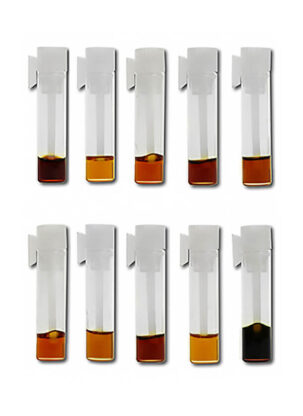 Ultimate Oud Sampler
1 × $595
Ultimate Oud Sampler
1 × $595
-42%
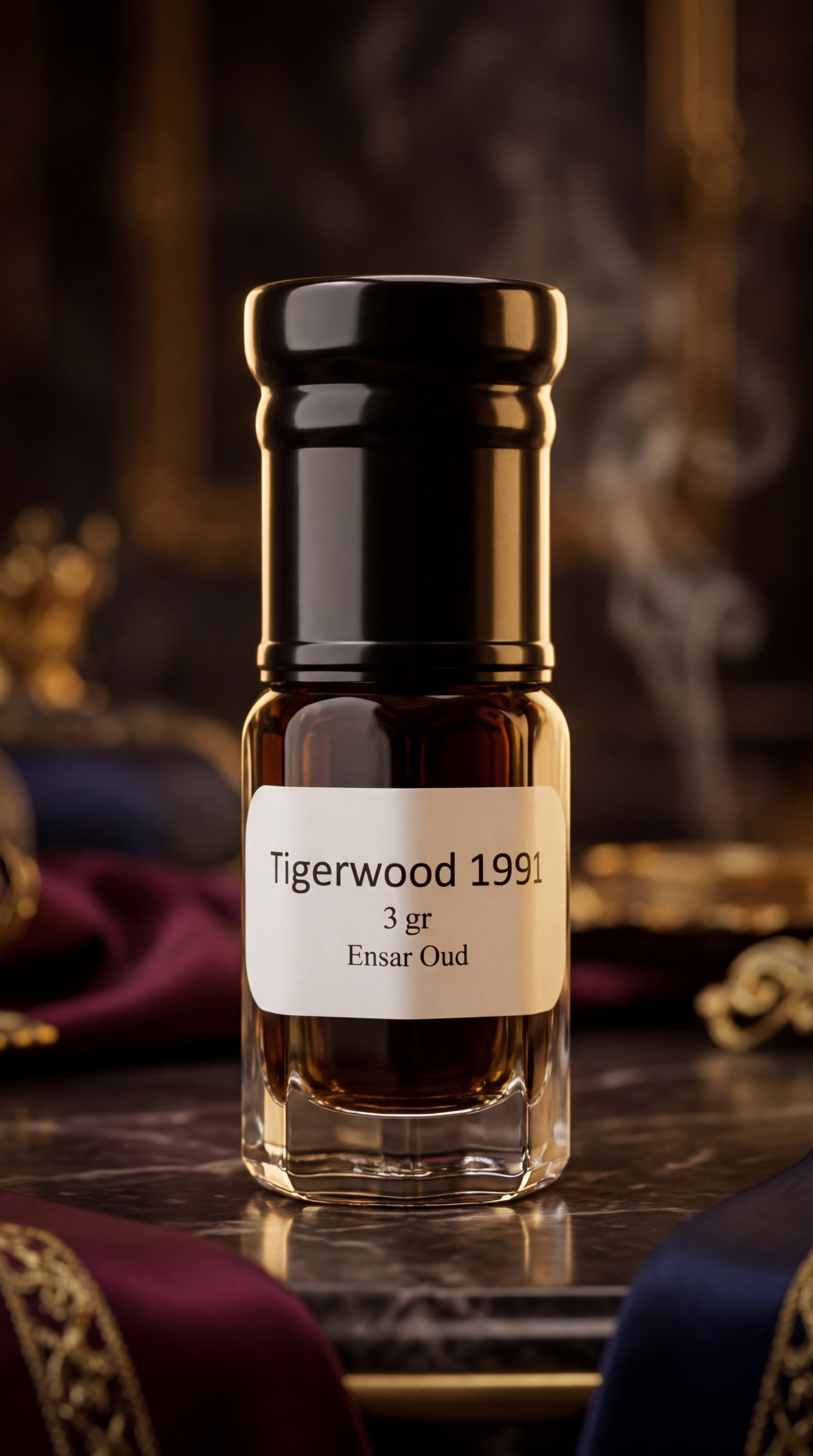
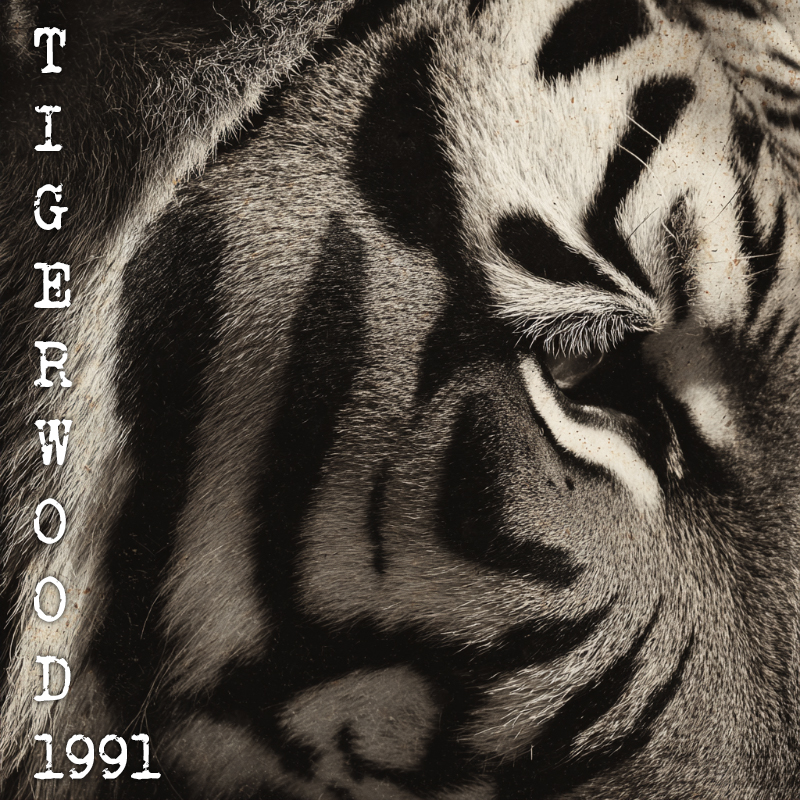
Tigerwood 1991
Price range: $999 through $3,500
I’ll go out on a limb to say…
Description
$5,000,000 KYNAM
The Zhao brothers have been our colleagues for as long as I’ve been in the oud world. In fact, they were already in the field 15 years prior. Mr. Ming’s daughters told us about those early years in the jungles, when he would often be gone for more than a month at a time.
They were pioneers. They distilled agarwood nobody else distilled. They found wood nobody else could find. In the process, they became the biggest agarwood collectors in the world. Mr. Ming is known the world over for his 5-kg log of green kyara, which he bought for $5 million, just to have it in his collection. He also has logs of white kyara, which cost considerably more, which he won’t even show the shaykhs. There’s zero financial gain in it for him. It took quite a bit of persuasion on my part before he showed it to me. Only a long-standing relationship and a sense of mutual respect gives you access to an oldie like this.
Their renown made them the go-to suppliers of Gulf royalty, for both oils and wood. You may recall the time when, minutes before I arrived at his atelier, the Queen of Abu Dhabi had just left, leaving an elegant bag full of $10K packets. My friend handed me the bag and jokingly said: ‘Look what she left me.’ The Queen parted as the proud owner of what became one of the ouds of the decade: her personal stash of Tigerwood Royale, which no doubt soon began circulating among the Emirati elite.
(Kruger paid them a visit on his recent trip, and sadly they had to excuse themselves to attend the wake of their partner, who had just passed away.)
WHY?
I’m not telling you this to put the brothers on a pedestal. Rather, their renown, their experience, and their access to the craziest private agarwood collections in the oud world means they…… don’t have to.
Mr. Ming doesn’t have to own a 5-kg log of kynam. He was offered $1 million on top to sell it, but declined – not because he expects a higher return later, but because he wants that piece in his collection. Along with his white kynam, other rarities (old Hainan, for example) he doesn’t even show the shaykhs when they visit, and the rare batch of Tigerwood he distilled with his brother over thirty years ago.
Tigerwood 1991 could well have stayed locked up next to the kyara log, or stowed away in Shaykh Khalifa’s safe where a few bottles would have no doubt been presented to other rulers as a royal gift on special occasions.
While Tigerwood Royale may have been one of the ouds of the decade, I will go out on a limb here to say: This ’91 batch is better. The top notes smell like what a fusion of Oud Sultani (2001) and Oud Royale (1982) would smell like. A stunning floral-spicy pitch with a herbaceous West-Malaysian tone with a purple-blue glaze that smells sinking.
AGE ≠ QUALITY?
Tigerwood 1991 is distilled from wild Malaysian agarwood – specifically tigerwood, named for its black resin striations that resemble tiger stripes. Not to be confused with African timber, this is the kind of material oud producers rarely see anymore. Back in the mid-‘90s, the brothers tracked down all the tigerwood they could get their hands on and fed their stills without thinking twice. Today, the same wood sells for thousands of dollars per kilo, making the oil impossible to replicate at cost. That’s a major reason they held onto it for decades, knowing the oil represented the end of an era.
The distillation was full-spectrum. No fractionation. No shortcuts. The result is a dense, incense-grade oud with those elegant top notes. Over three decades of aging have refined its texture into something velvety and layered, with a creamy Malaysian profile that echoes a fusion of vintage Kelantan, Terengganu, and the OG Oud Royale’s supreme incense profile.
Many believe that aged oud = good oud. I’ve explained many times why that’s usually not the case, but you should also know it’s certainly not the case that aging automatically improves an oud. In fact, loads of aged ouds degrade…
They oxidize, lose clarity, and collapse into dust. That’s one of the telltale signs of the caliber of Tigerwood 1991 – that it hasn’t lost clarity, and that there’s no trace of dustiness even after hours on your skin. It was well-crafted from the start, used proper tigerwood, and matured in ideal conditions.
TW91 is so pristine, it carries an imprint of its origin – the trees were wild-grown in their native climate and ecosystem, and distilled using local water. That matters. You can’t distill Malaysian oud in India and expect it to smell Malaysian…
OUD MARROW
Tigerwood 1991 lets you smell the marrow most modern ouds have lost. I’ve had it on for hours now, and it hasn’t faded. There’s no trace of the dust that creeps into the drydown of so many old oils. Instead of the flat, woody finish you’d expect from something aged, it turns sweet – even cool and mentholated. That sweetness comes from the raw tigerwood. It’s like you smell a tiger chip being heated!
You’ll smell a dark floral edge, West Malaysian in character, that gives it a quiet nobility. It reminds me of the greats. You’ll catch the red musk, like in Oud Ahmad, but here it’s deeper, more settled. A camphoric pitch rises and falls, green and sharp, threading through the red heart of the oud like a refrain.
This kind of oil isn’t handed out. The Queen knew of it only because of her place, and even then, she paid dearly – hundreds of thousands, stacked in ten-thousand-dollar bundles. I received it not through wealth, but through work. My colleagues honored me with the opportunity to acquire the entire batch. The brothers are masters, seasoned and respected, and it’s a privilege that they gave it to me as a mark of trust. They saw the years we’ve put in, the commitment, the reverence for the craft. And, I guess that same feeling of owning the craziest kynam on the planet is mimicked when you pass down an oud artifact like Tigerwood 1991. There’s a certain [humble, no doubt] prestige in the act.
FOR A LIMITED TIME ONLY
And that’s how you got here. The chance to own, not just a piece of agarwood history, but top-notch oud that’s super addictive and smells so regal I can’t keep my nose off my hand.
Not to mention… you don’t have to work your way up the Emirati hierarchy to get your hands on a bottle.
Plus, we’re not charging what it’s worth (as a smell, it’s easily a $2,500 oud). We’re not pricing it based on replacement costs (even though it’s irreplaceable), nor are we factoring in the thirty years of inflation, or doing some aggregate of all the factors that should make a bottle of this oud cost way more.
If we were to distill it today, the cost would be prohibitively high… thousands of $ per bottle just to break even – and that’s without the 34 years aging that produced its dark, creamy, perfume-like profile!
So this isn’t just a chance to own true vintage oud inaccessible to 99% of oud lovers, it’s the chance to own an oud that basically doesn’t exist.
This is the kind of oud oud lovers wait a lifetime to experience. And, if you know, you know…
Featured Testimonials…
Tigerwood 1991: Deep. Dark. Smooth. Majestic yet beautiful. Oud from a different era. 10/10.
Related products
-11%

Original price was: $559.$499Current price is: $499.
Getting your mind blown right off the bat might be just what your nose needs to navigate the
This product has multiple variants. The options may be chosen on the product page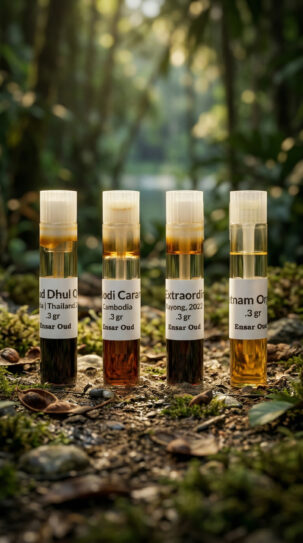
$185
We’ve been on a mission to distill the best Organic Oud for over a decade and these this set lets you enjoy the
This product has multiple variants. The options may be chosen on the product page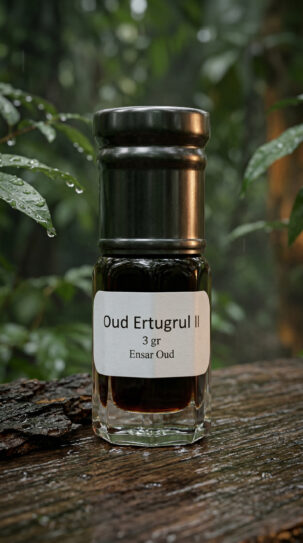
Price range: $535 through $790
Give laymen in countries where oud is common a swipe of Borneo and there’s a good chance they won’t recognize it as…
This product has multiple variants. The options may be chosen on the product page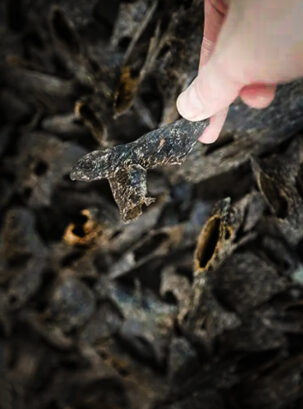
I’d have a hard time not recommend it to any and everyone. First-time oud explorers – can’t go…