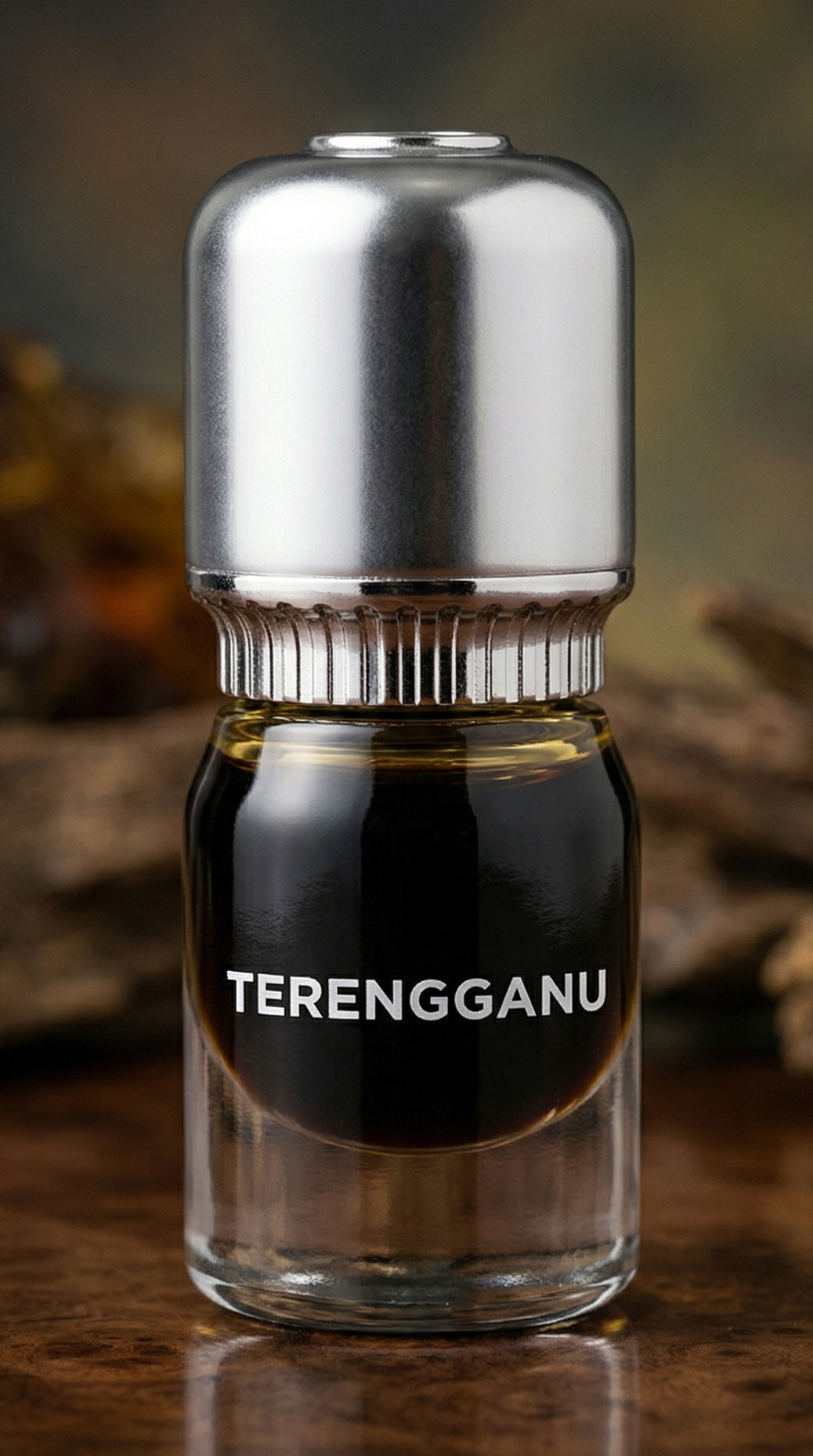
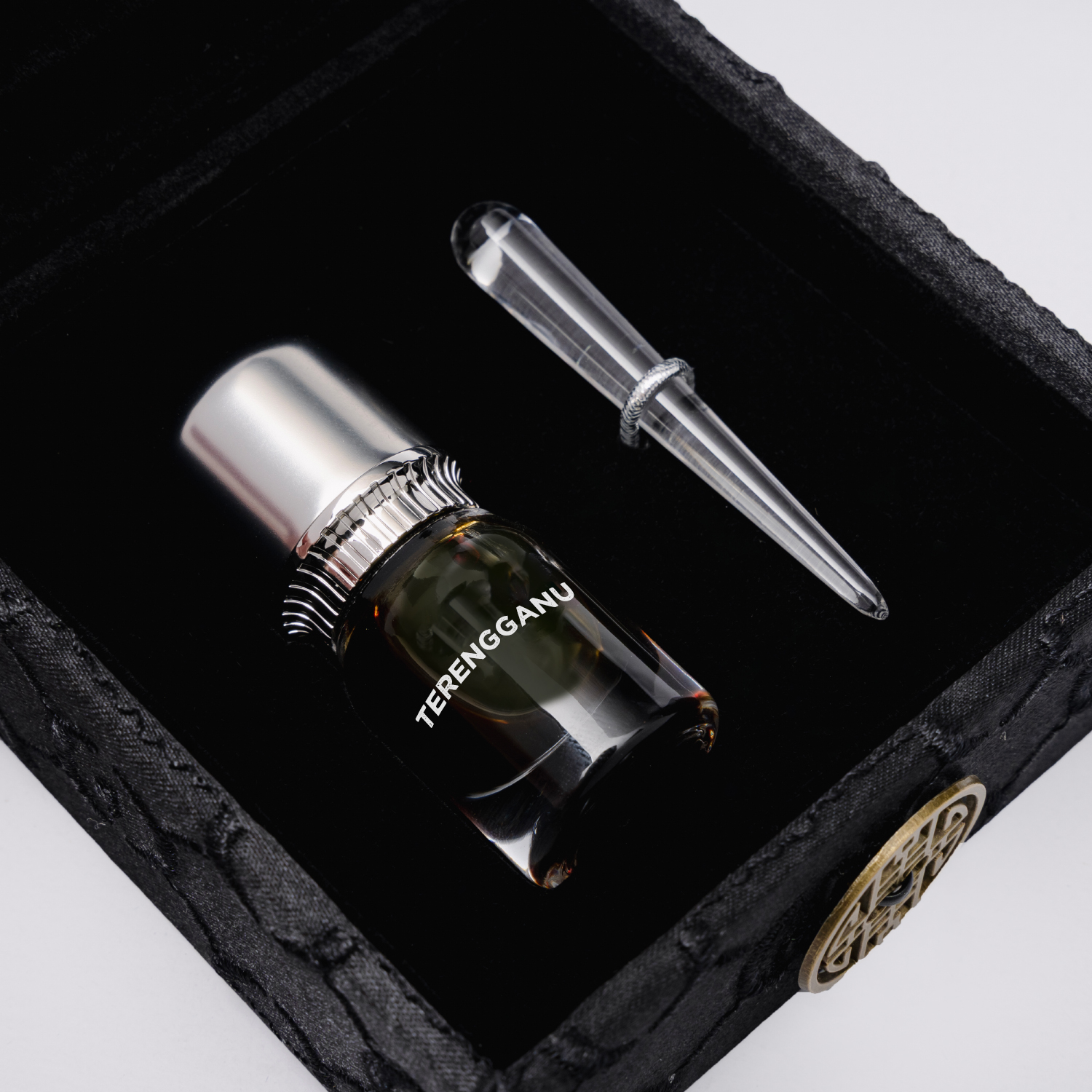
Terengganu
$2,500
You could offer ten times the price and the jungle would laugh at you…
Before “oud” entered the lexicon – before distillers debated terroir, auxiliary profiles, or oxidation curves – there were trees like this: towering Teregganu malaccensis, veins saturated with dense chromones and sesquiterpenes…
… and someone had the audacity to tap them decades before new-gen and zero-barn hit the scene, when ROI meant the scent from a swipe, not a return on a spreadsheet.
This oud is from that moment. Right on the cusp. Sinking-grade Malaccensis bursting with resin dark as obsidian. One of the earliest distillations in Terengganu oud history: That floral-laced herbaceousness Teren-G heads whisper about. Oud Sultani before OS existed. The prototype.
That violet-spiked herbaceousness. Not jasmine-floral, not sugary sweet – it’s that aldehydic curve unique to wild Indo-Malay: creamy, floral notes likely driven by aged chromone structures and rare phenolic compounds interacting post-distillation. A narcotic cadence that feels molecularly closer to ancestral medicine than modern perfumery.
People talk about “blue oud.” But this bleeds ultraviolet. Due to auxiliary density, you’re looking at a spectrum where violet aldehydes, camphoraceous greenness, and subtle eugenol tones hover beneath the wood. Herbaceous, medicinal, woody… without tipping into off-putting twang of any kind. A diffusion curve so slow, it defies top note volatility entirely (i.e. this oud is smooooth!)
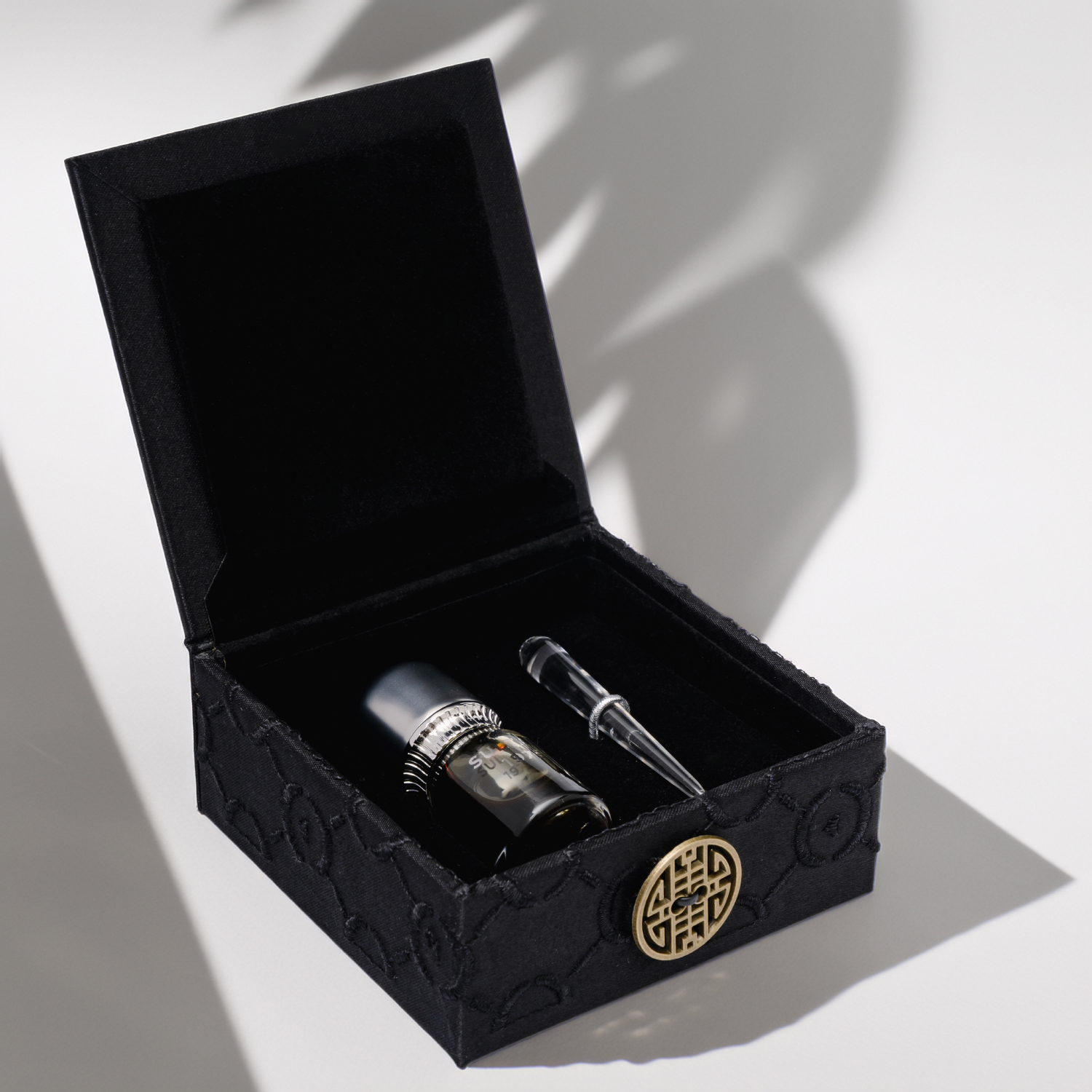
(If you were to thoroughly analyze the oil, I suspect you’d find higher linalool content along with a piperline spike which gives the profile its numbing spice and dry medicinal edge, while a chromone-heavy resin base lets it linger longer than usual. And you wouldn’t be surprised to find actual cross-pollinated floral molecules that make the heavy resin so… flowery!)
Today, you couldn’t make this if you tried. You could offer ten times the price and the jungle would laugh at you. Even if you somehow found a stump worth tapping, there’s nobody distilling Terengganu wood like this anymore. Not because they don’t want to – because they can’t.
And because it’s so ghost-like in provenance, even some veteran noses would struggle to place it. There’s no template. No comparison. Most distillers – heck, most oud collectors – have never even smelled proper old-school Malayyu’s ultraviolet, let alone touched the klinking sinkers that became this.
This isn’t meant to be shared en masse. It’s the kind of bottle passed between colleagues in silence. The kind of oil whispered about, not posted. You either know what this is – or you’re about to. The caliber oud that, behind the scenes, has shaped everything you know and love about oud.
Related products
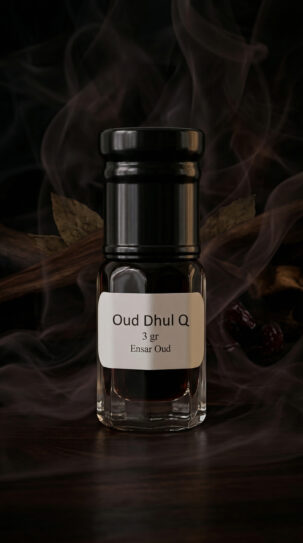
It's like you take the raw agarwood vapor exuding from that chip on your…
This product has multiple variants. The options may be chosen on the product page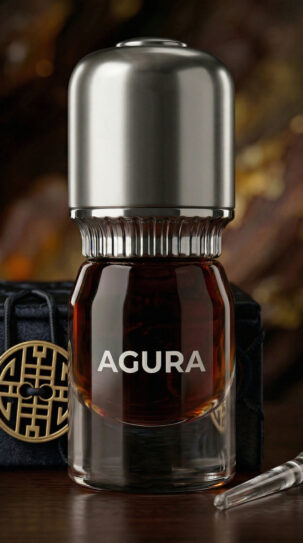
The Cambodia that was always there, waiting for someone obsessed enough to find it.…
This product has multiple variants. The options may be chosen on the product page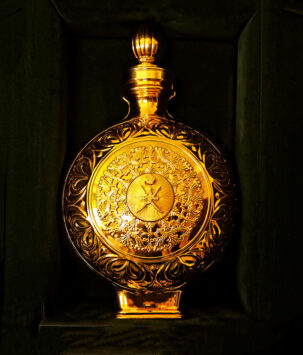
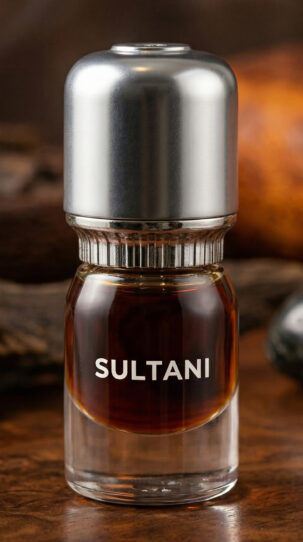
My own pieces from the Sekadau tree are not for sale. I’ve had them for years, and this is the first time I’m…
This product has multiple variants. The options may be chosen on the product page