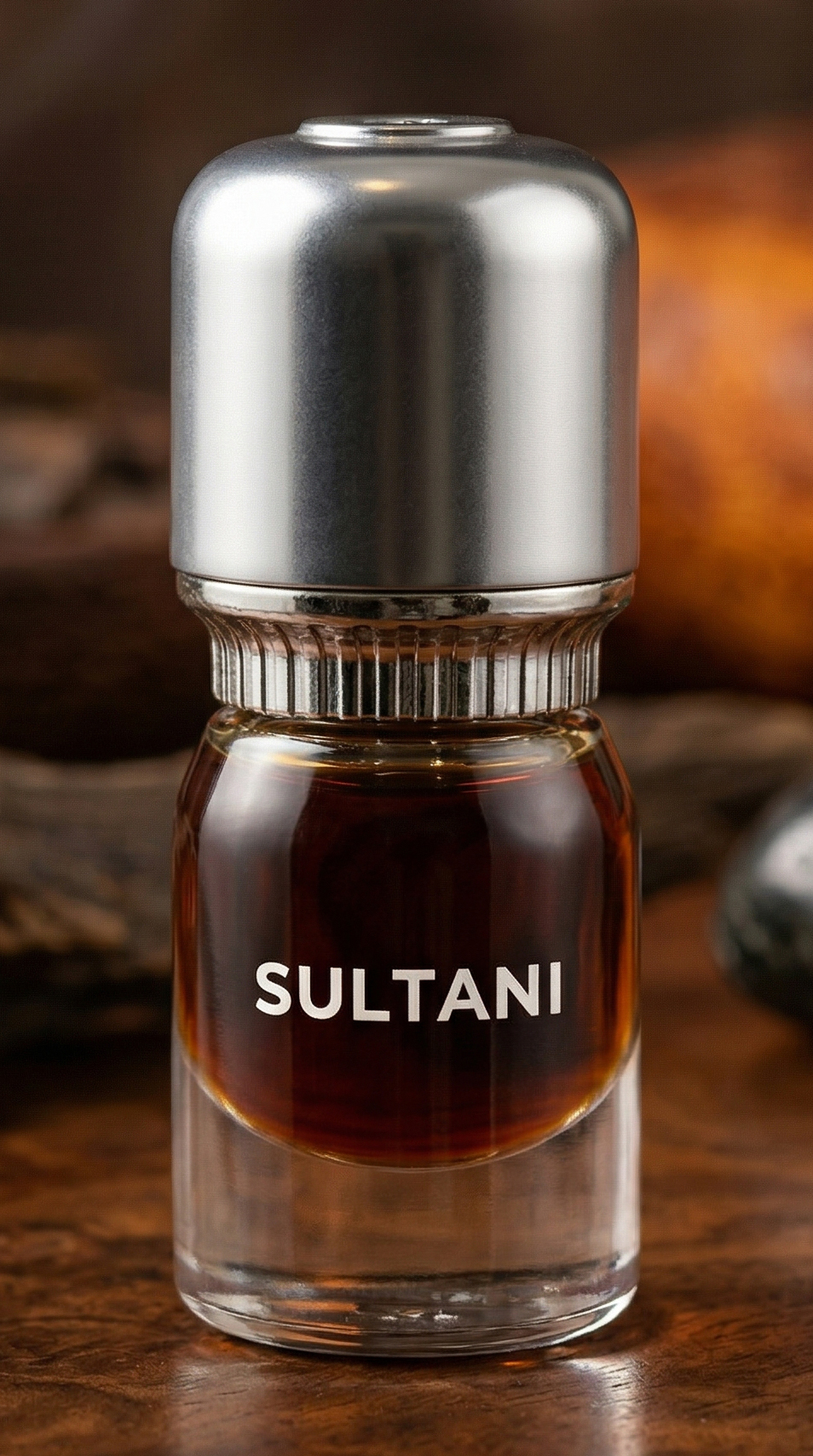
Sultani: Sekadau
$2,500
My own pieces from the Sekadau tree are not for sale. I’ve had them for years, and this is the first time I’m…
I’ve seen the piece every time I visit my Sifu for the past decade. At 18kg, it has sat in the corner in the same spot all these years. An example of one of those rare instances where something is truly priceless – too expensive for most to buy, too precious to cut into smaller pieces that would make it immediately sellable.
Over the past ten years, finding a solid sinking piece of agarwood that weighs even one kilo is almost unheard of. A piece that weighs a few hundred grams is a big find…
That’s why the Sekadau relic sits in the corner. They refuse to cut it up because it’s a once-in-history miracle of nature to find such a massive solid piece of sinking agarwood. What’s even more crazy is that the 18kg piece is a piece left over after cutting the original chunk, which weighed about double that much! Seeing it boggles the mind.
My own pieces from the Sekadau tree are not for sale. I’ve had them for years, and this is the first time I’m even showing pictures of them. To me, these are proper pieces of history that are far more valuable than any jewel or artwork.
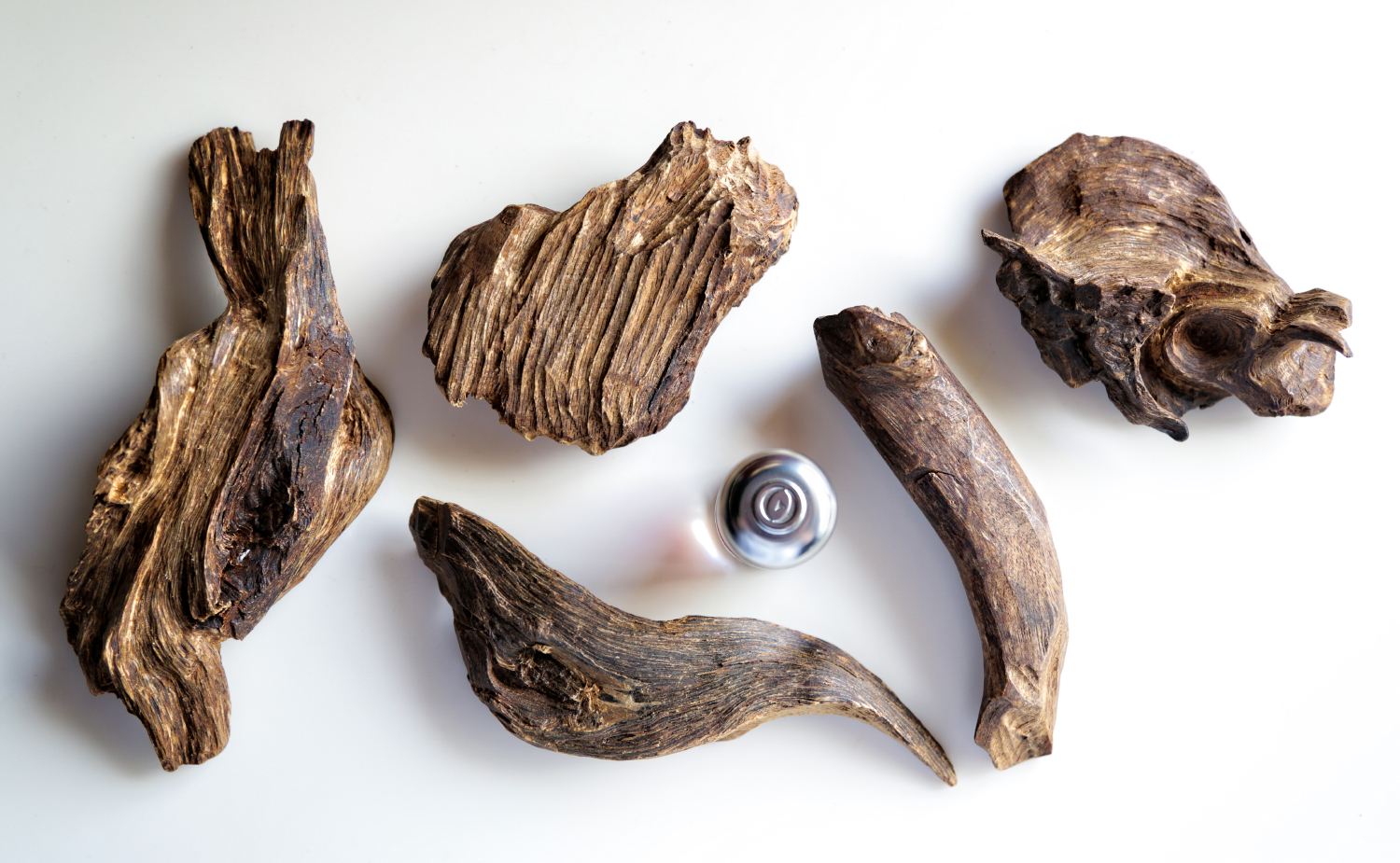
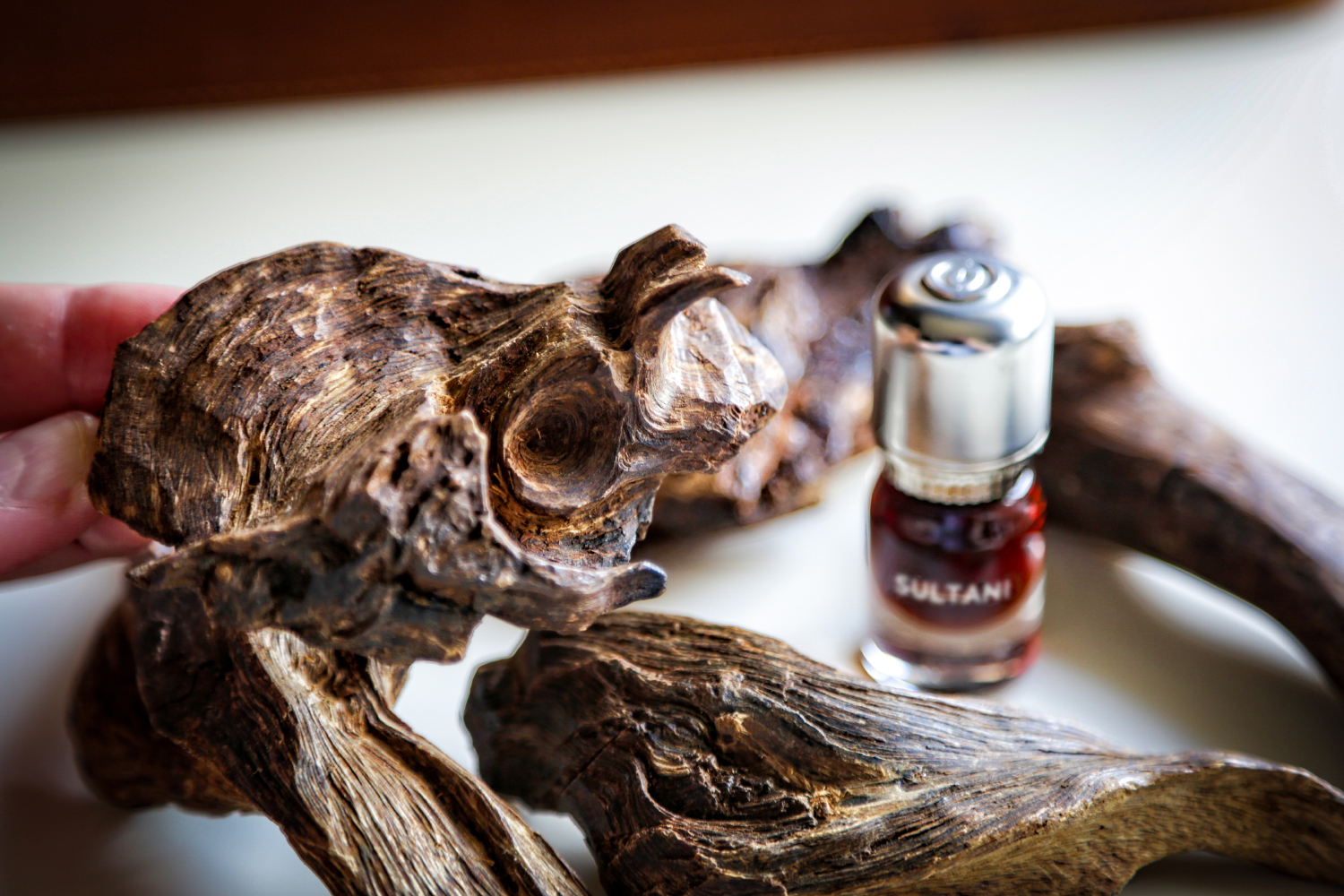
(For some background on what makes this Sekadau tree the most famous agarwood tree of our times, I recommend you read this.)
99% of the tree was kept as raw wood. The only oil from it that exists is about one tola that my Sifu distilled, which must have been an insanely expensive undertaking (hence not doing more). From that, he gave each of his closest friends involved in the harvest a quarter tola. The only time I got to smell it was when I saw him in person, and he gave me a swipe from his own quarter tola, which he keeps (and, instead of swiping, most ingests).
Certain smells are so distinct they only come around once or twice in a lifetime. Papuamantan and Kinamantan come to mind. Oud Sultani. Oud Salahuddin.…
And there was nothing like that swipe of Sekadau I was fortunate enough to smell if my Sifu felt like gracing me with a swipe. It was the Sekadau smell.
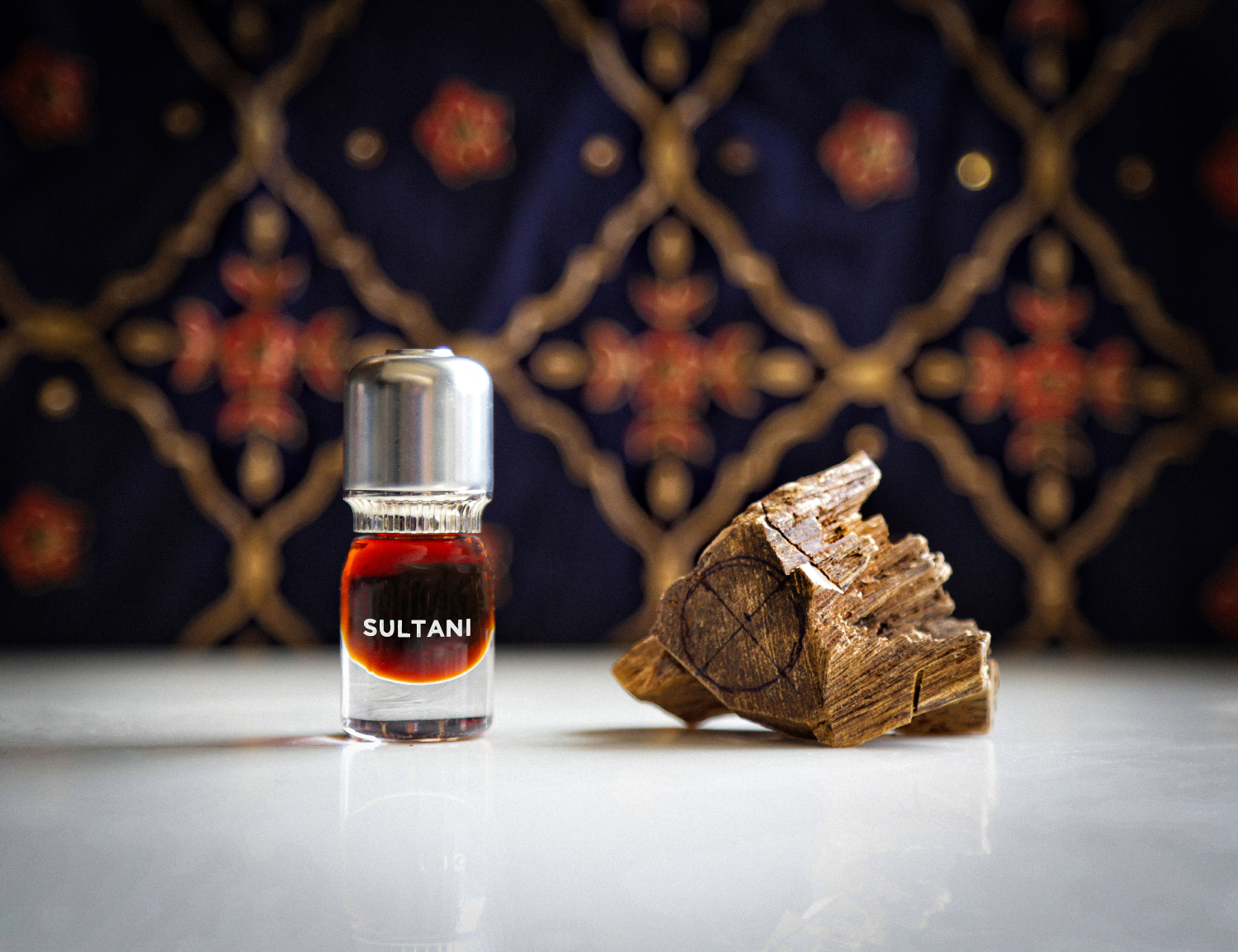
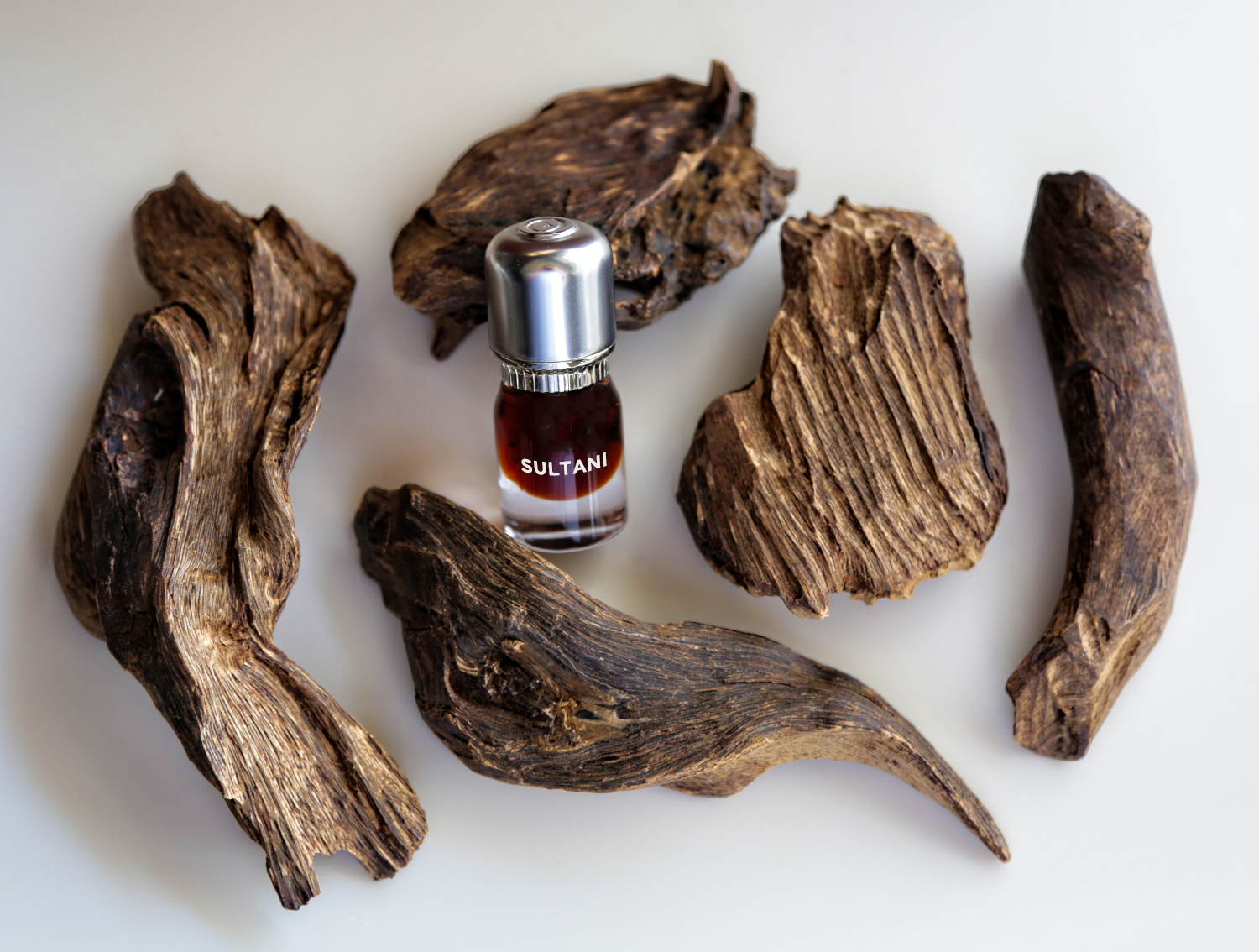
Years later, out of leftfield, I acquired a mind-numbing vintage distillation that hasn’t seen the light of day in what must be, based on the owner’s account, thirty or more years.
I nearly lost it when I took a whiff.
Sekadau. But how?
We know that the agarwood world was a totally different place pre-2010. And that great changes were underway throughout the 2000s leading up the Chinese Market.
We know that we had a trio of the most unique oils ever made in 2001 (Oud Sultani, Oud Ahmad, and Oud Salahuddin) and that it’s been impossible for us and anybody who has tried and failed to re-create their scent.
We know that there is an era of oud that doesn’t exist anymore. An era of oud that is gone and the only way to connect with that olfactory period is to have oud from that time.
The only thing that makes sense is that the distiller must have inadvertently, in an era when there was more than one Sekadau tree (in all of recent agarwood history, there has only been the one that is now famous, of which you see pictures here) – and that he distilled a harvest from that linage, likely from the grandmother generation of Sekadau since to reach the level of resination our Sekadau tree achieved must have taken decades and decades of maturation, which indicates that this is from an earlier generation.
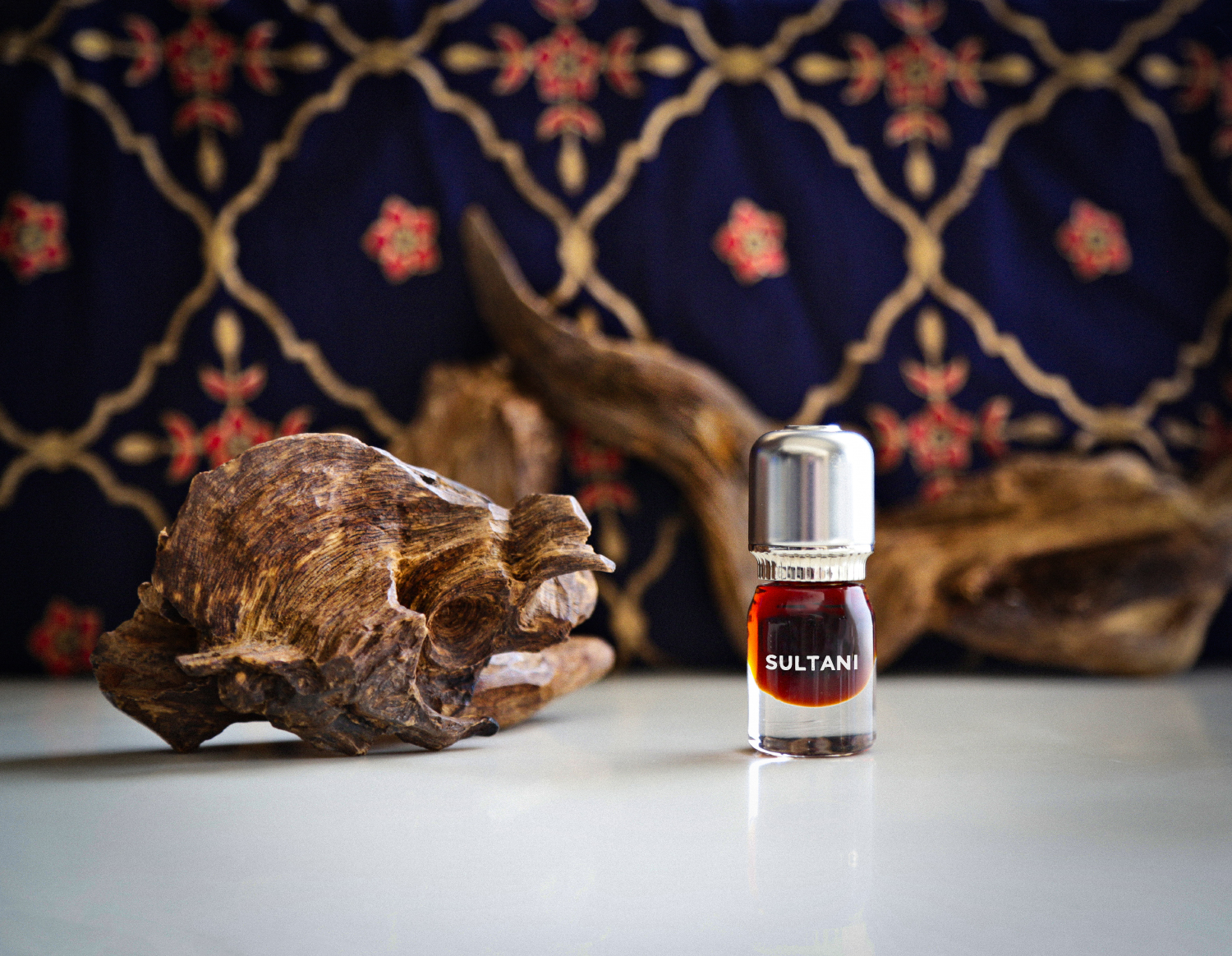
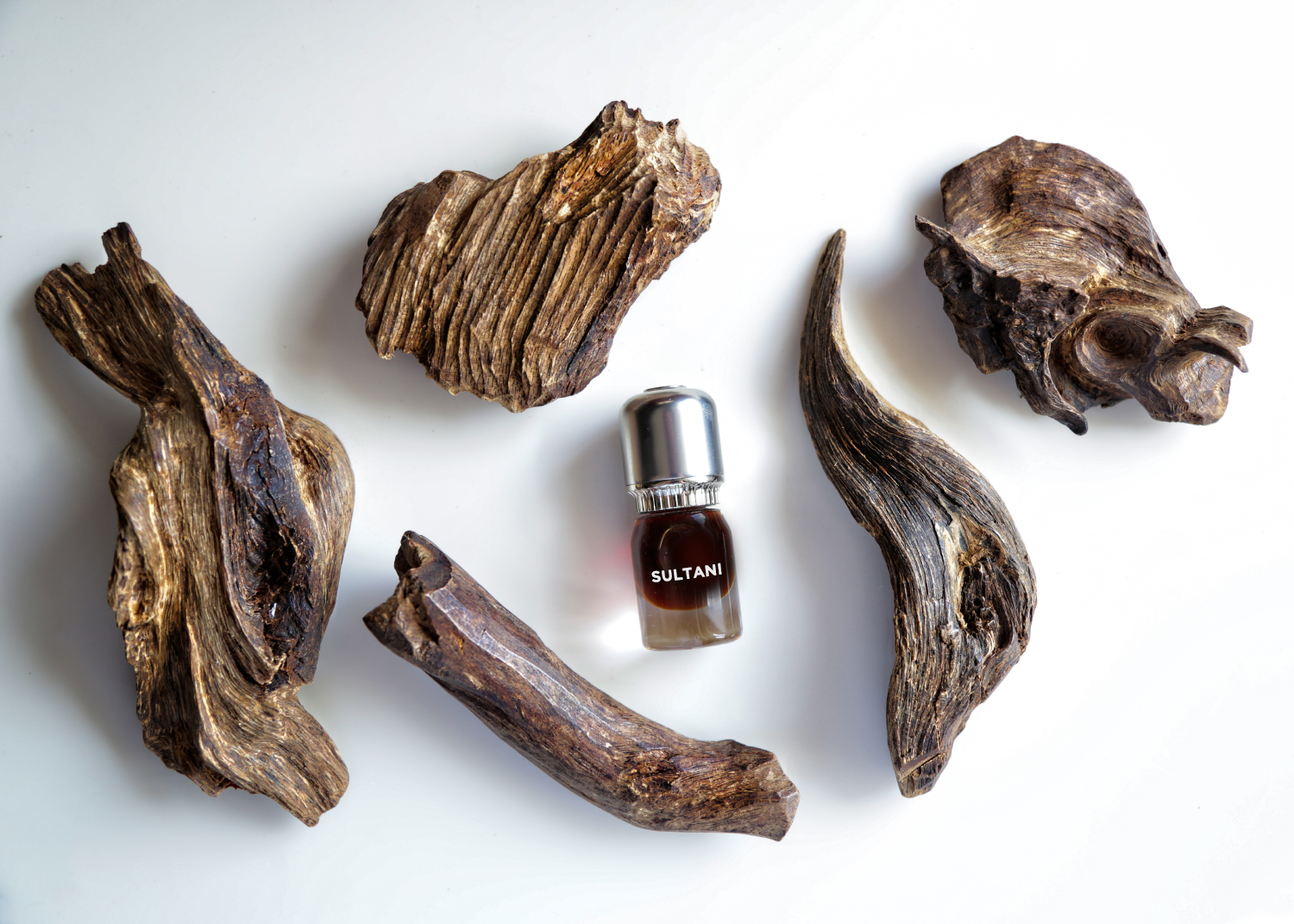
While the how will intrigue me forever, what I know for certain is that we have been blessed, you and I. In my mind, there was a better chance (albeit still impossible) to see Oud Sultani resurface than to be greeted by that 18kg miracle in oil form.
Now, I realize that this could all just sound like a nice story. But I have the proof – I have the wood. And some of you may have the kyen pieces (Royal Sekadau) that would produce the smell of this oil.
But ignore all of it. The how, the history. Because it all points to the fact that there is no scent on planet Earth like this. I especially recommend this if you’re a seasoned oud lover. It’s one of those scents that rekindles your love for oud all over again. When Adam smelled it, his first reaction was that, prior to this, he had only been blown away this much by one other oud. Meanwhile, Kruger is probably smelling it as you’re reading this, for the same reason!
It’s sublime. The closest resemblance I can think of is Purple Kinam – it shares its pristine ‘purple’ kinamic facets but is quite a bit louder with a piercing peppery spice-like sharpness that makes it even more addictive. At the same time, you get hints of Blue Brunei, again the kinamic facets of that gargantuan aroma, but also a pitch sharper.
Compared to the scent of a raw Sekadau chip on the burner, Sultani: Sekadau gives you a scent the wood itself never could – it gives you more. The piercing kinamic cool in the opening clearly echoes the ambient aroma of the neat agarwood, but an enhanced version. Hours later in the drydown, though, you smell how the scents converge and if you were not sitting with your arm against your nose, you would not know which one you’re smelling – the wood or the oil? – as the swipe now beautifully mimics the raw Sekadau aroma.
If there was to be a Family Tree of the Purple Kinam distillations we’ve put out to date, it would include: Oud Sultani 2001, Purple Kinam, Kannan Koh, Purple Sultani, Brunei Kynam. Sekadau takes its proud seat right in the midst of these irreplaceable legends.
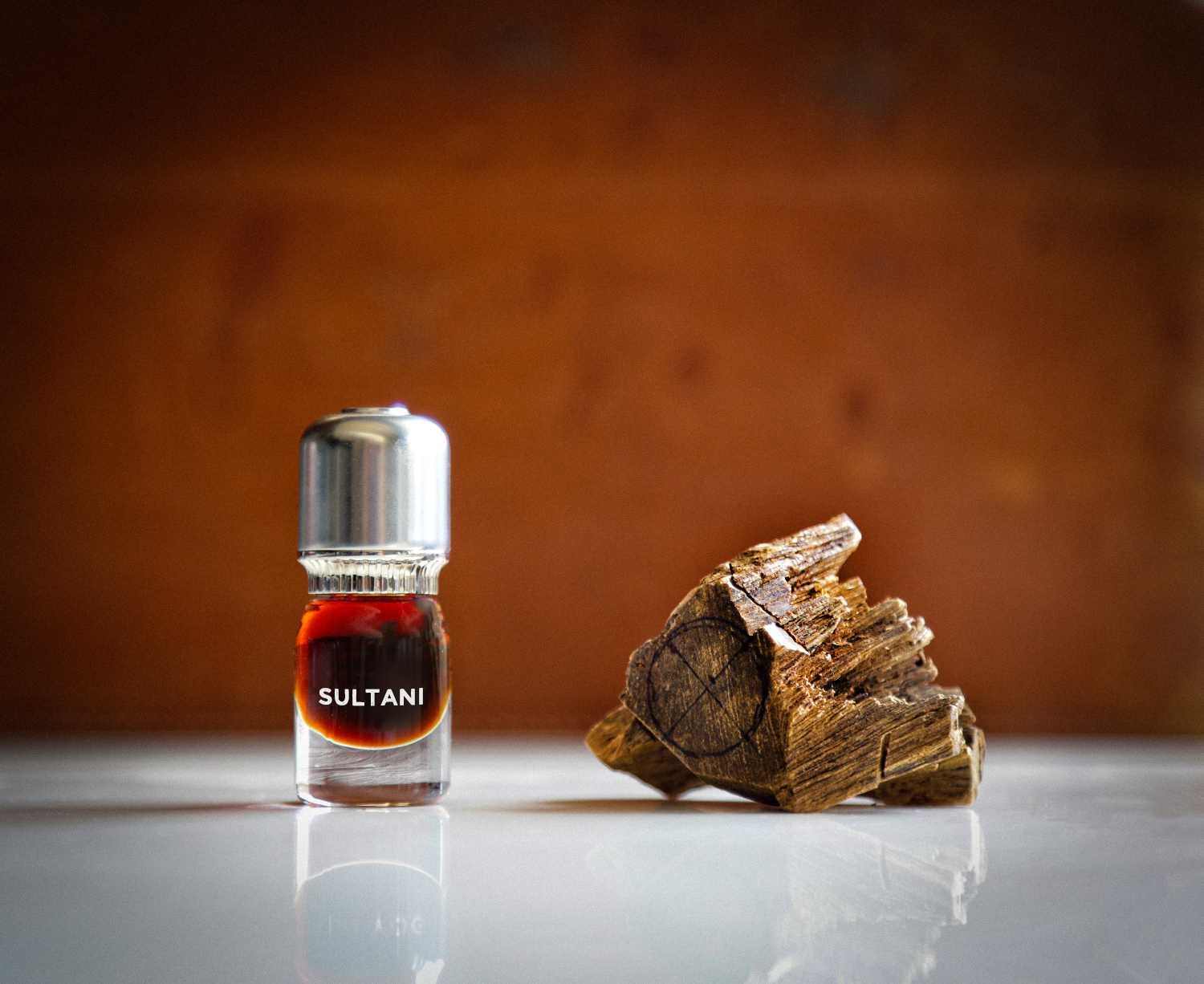
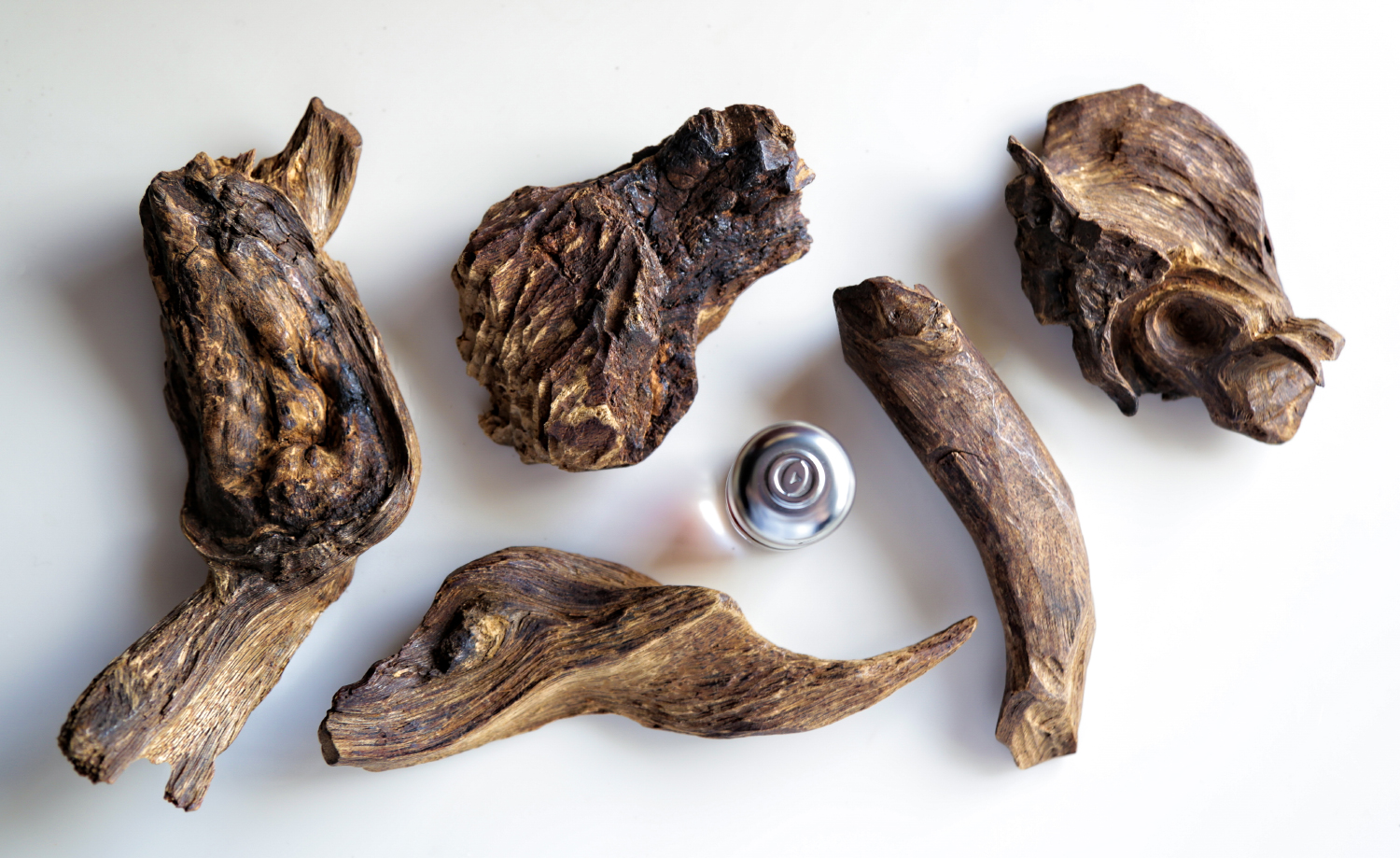
Featured Testimonials…
The new Sultani: Sekadau is incredible. The exquisite complexity of scents is phenomenal and its clarity and highness is unparalleled. With all of the hundreds of Ouds I’ve sampled, this is right at the top. Bravo!
Related products
Wearing tech goggles when you study oud has its place and its perks. But…
This product has multiple variants. The options may be chosen on the product page
While it’s something alien to Western culture, it’s almost impossible to imagine…
This product has multiple variants. The options may be chosen on the product page
The Cambodia that was always there, waiting for someone obsessed enough to find it.…
This product has multiple variants. The options may be chosen on the product page
I’ve smelled as much oud as any one person could hope to have smelled in a few lifetimes, and…
This product has multiple variants. The options may be chosen on the product page