-
×
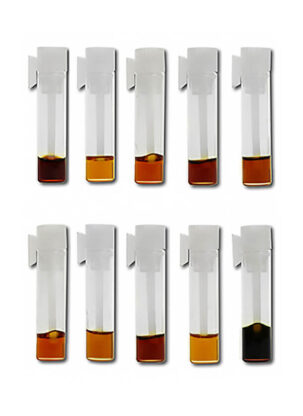 Ultimate Oud Sampler
1 × $595
Ultimate Oud Sampler
1 × $595
Almahera Sinking
Price range: $3,630 through $5,475
I’ve found that many people think most oud wood kind of smells the same. Or, at least, the different regions-woods don’t have the
Description
This batch is already 28 years-old and it’s a superior, sinking-grade batch to the Maluku ’96 harvest (now sold out). There’s no way to find this wood today.
It’s a common misconception that black = quality. The darker, the blacker the wood, the better. That’s why people paint, varnish, wax, and do whatever it takes to get bunk wood to look darker than it really is. But it’s actually not that simple. Dark color is a strong indicator of quality, but not as a rule. The best proof of this is Kyara. Much of kyara is actually a specific strain of light-yellow-hued kyen, just like you’ve got here!
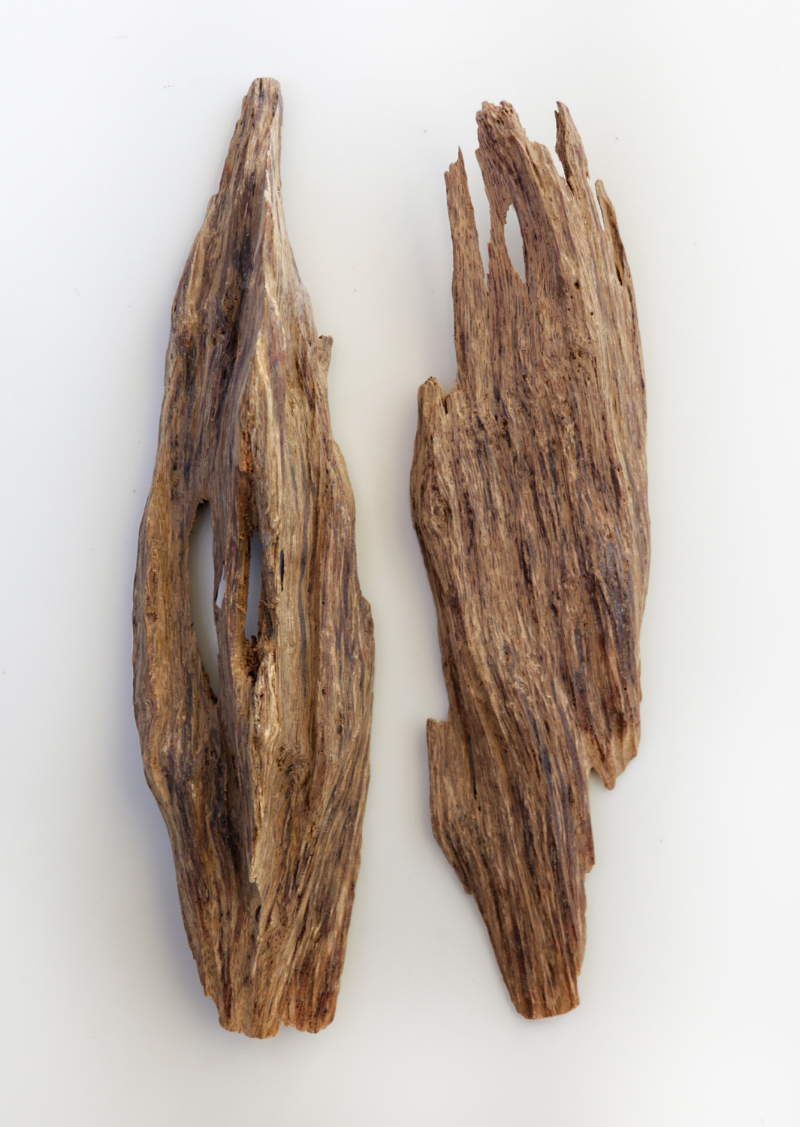
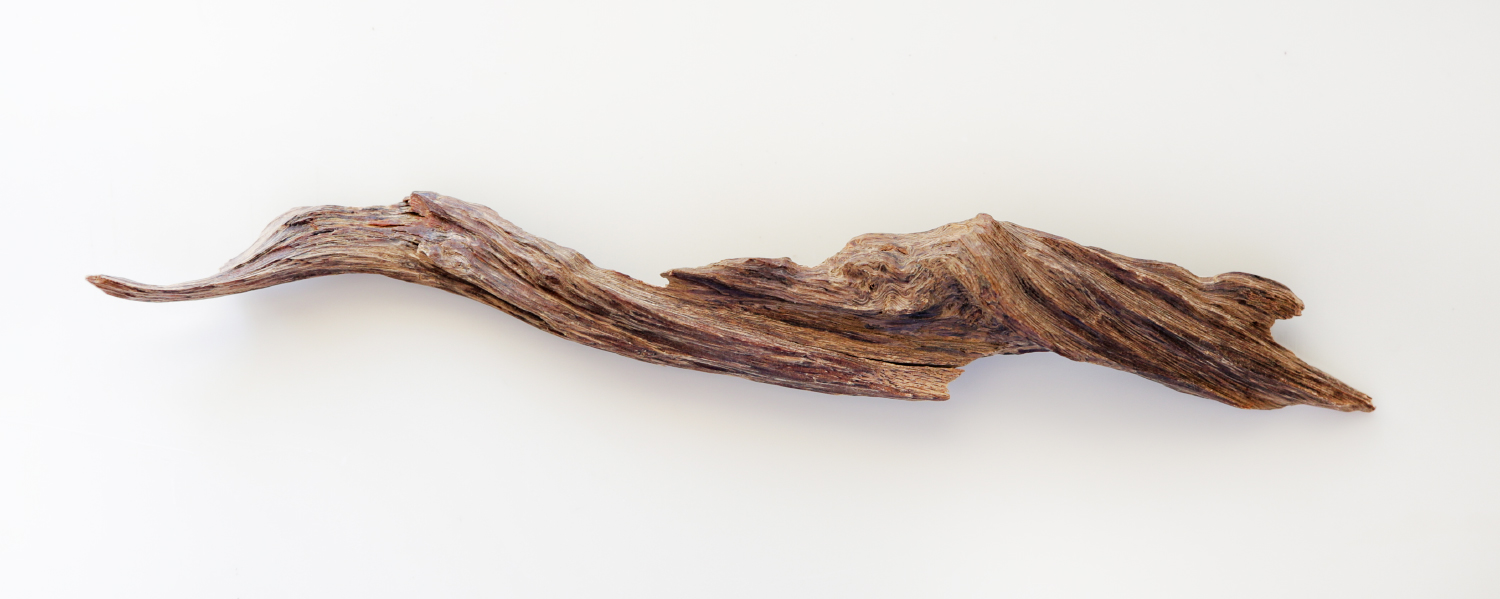
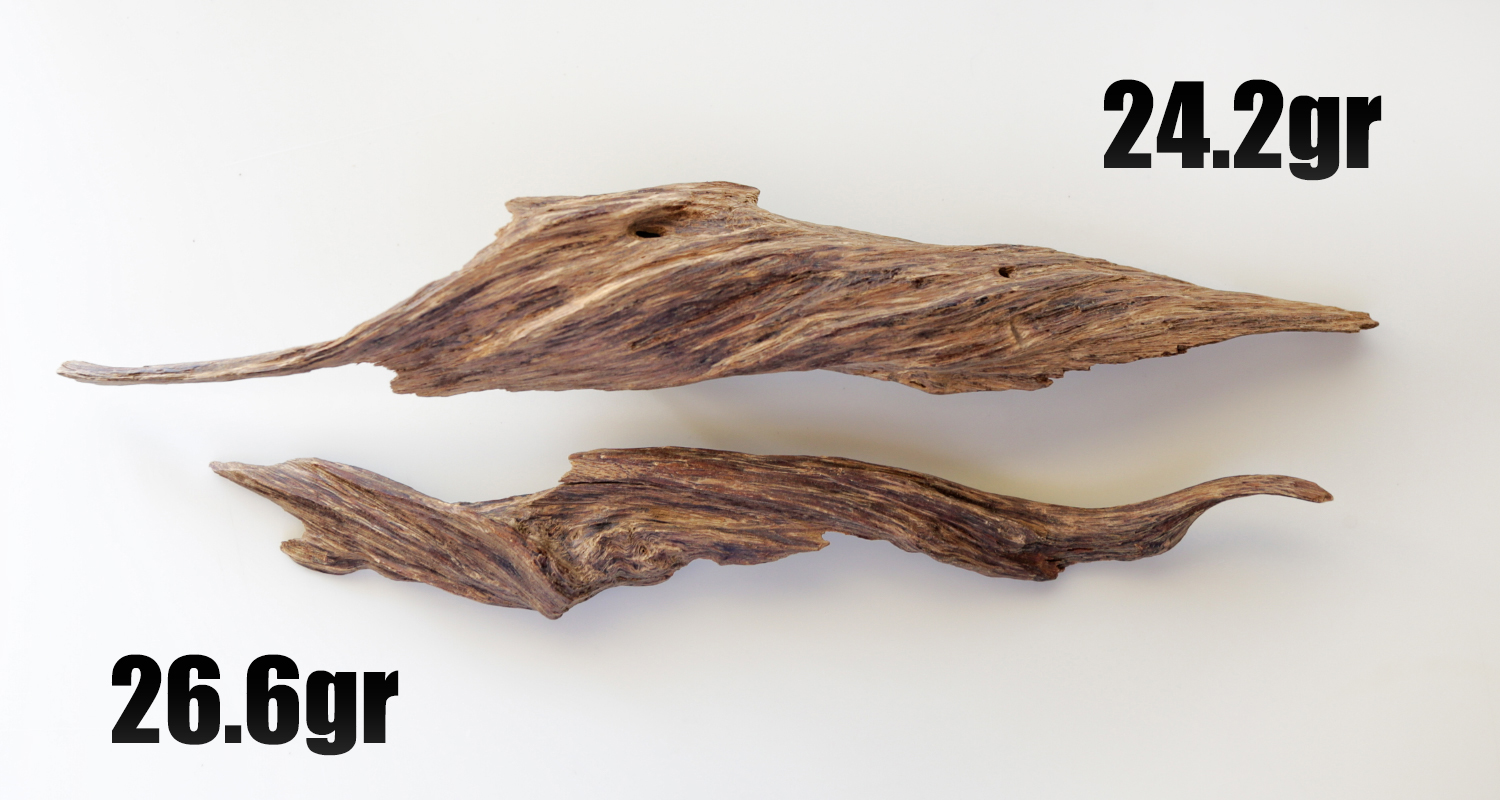
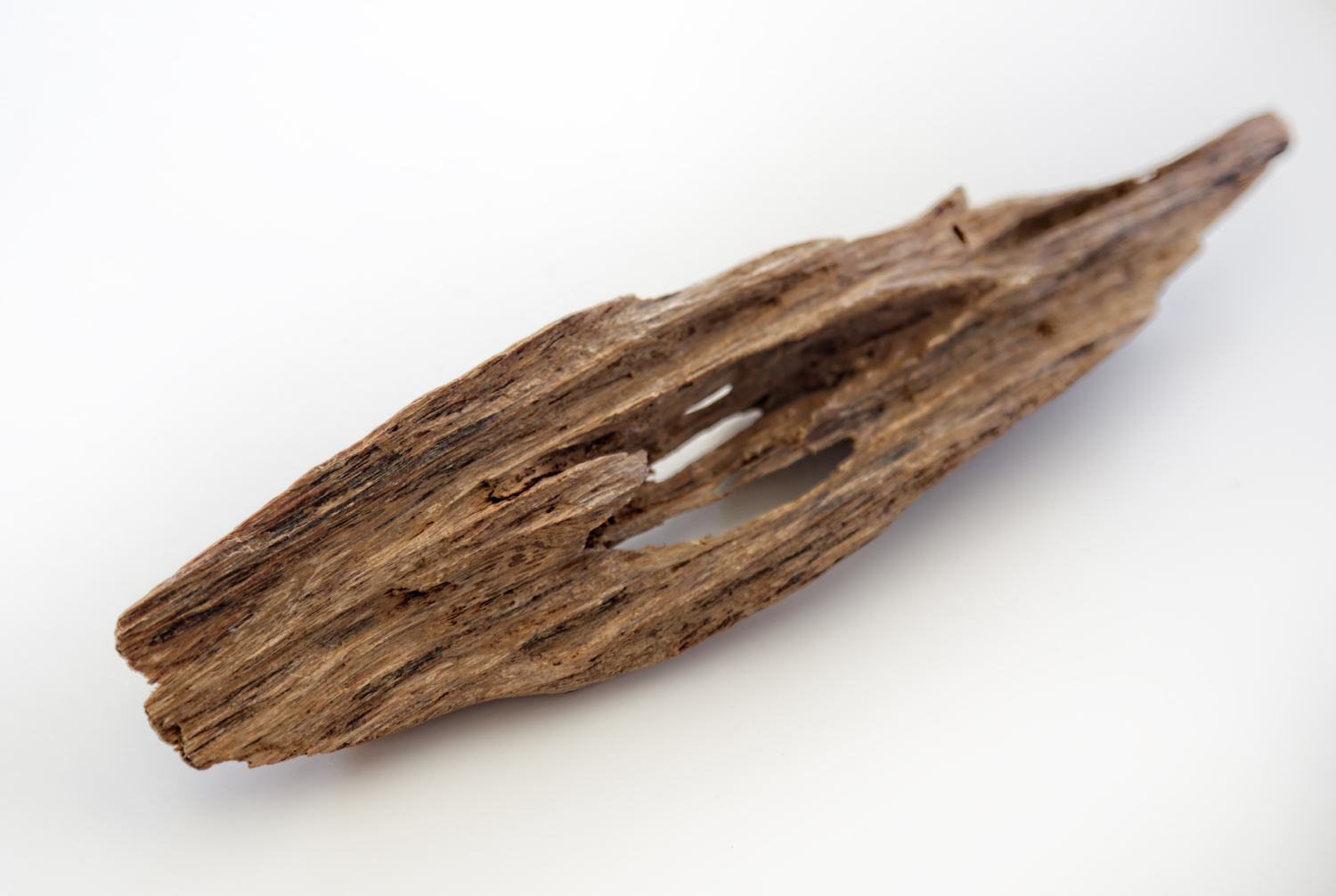
Roll a piece of Sinking Almahera about in your palm and you immediately realize that you’re holding a different breed of agarwood. Appearance wise, the wood kinda resembles sandalwood. Only, the scent is many dials up on the spice-scale, and the burn much, much longer. Most pieces aren’t black, they’re not even dark brown (the larger pieces pictured below are darker). Yet, compared to just about every kind of agarwood you’ll ever burn, Almahera aloes is so striking in scent it’s sure to be among the most memorable you’ll smell in your life.
Try it: put on a sliver of any batch of wood you own… Cambodi, Borneo, Thai, even Papuan. Then bring on the Almahera. I bet you’ll think you’re smelling a newly discovered species of agarwood!
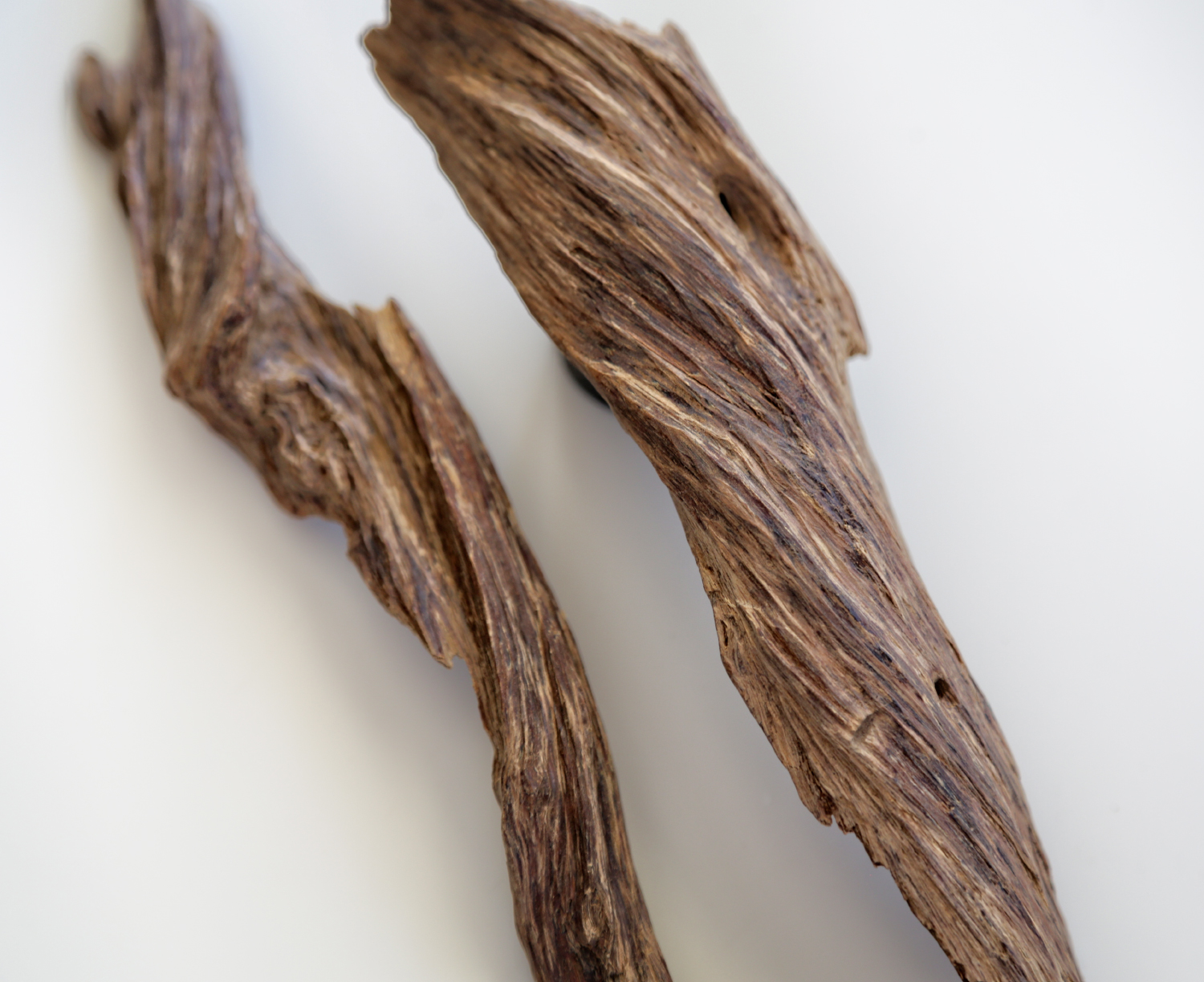
Aficionados of the Japanese incense tradition will appreciate this. It’s not about the look or even the texture of the wood that makes it good or bad. It’s all about the smell. Full stop. That a chip is darker, or has a sticky-pasty texture are signs of quality, sure, but in the end these are only clues that tell you what the smell might be like.
Does it have that slight bitterness that classifies it as Rakoku or is it sweet enough to be Manaban? That’s what Kodo disciples seek, not how black is it? A Japanese Kodo master will often much prefer a completely ordinary looking strip to a pitch black one. That’s because he knows there’s a lot more to exceptional agarwood than just the hue.
‘Sinking’ agarwood isn’t just about the complexity of the aroma. Sinking chunks means you get a longer burning session. And in the case of Sinking Almahera… copious amounts of red-sweet spice oozing for hours on end. And, boy — if you’ve also smelled the striking spiciness of Almahera chips, you can’t help but wonder how in the world oud can smell so spicy. So, here’s a little factoid that might explain it…
What’s more interesting than that questionable claim about the original meaning of its name, is that Almahera was the world’s sole source of mace, nutmeg, and clove for a couple hundred years. More accurately than the ‘Island of Kings’, Almahera and the neighboring Maluku islands was known as the Spice Islands…
Now, you know how Thai ouds have that zesty twang that imbues Thai culture and cuisine, or how Indian oud is warm with turmeric and pepper? Knowing that its soil breeds such a montage of spices gives you a hint as to why Almahera agarwood smells so incredibly savory.
The Sinking Almahera aroma is so far out, so different to what you’ve come to know as the typical oud chip scent, I almost want to put a disclaimer here: Only for experienced monkoh adepts! I say that because it’s so unlike the staple oud scent you’d expect from even the finest Borneo chips that a newcomer might well get confused. Then again, better to jump into the deep end and see just how awesome oud wood gets!
Although sinking-grade wild wood from Thailand and India are both rare and fetch hefty prices, neither are rarer than vintage, sinking Almahera aloes. So, when you see inferior sinking-grade Indian wood sell for more, that tells you something about the bargain you’re getting here.
Oud of this caliber, from this era, is a must in any oud lover-s arsenal. It’s wood like this that shows what good oud smells like, and exposes wannabe oldies. It’s a benchmark… and such a delight you can easily get carried away. And why not? Bliss out all you want – such resin-dense nuggets will keep pumping out their red-sweet sandal-spicy aroma in spades!
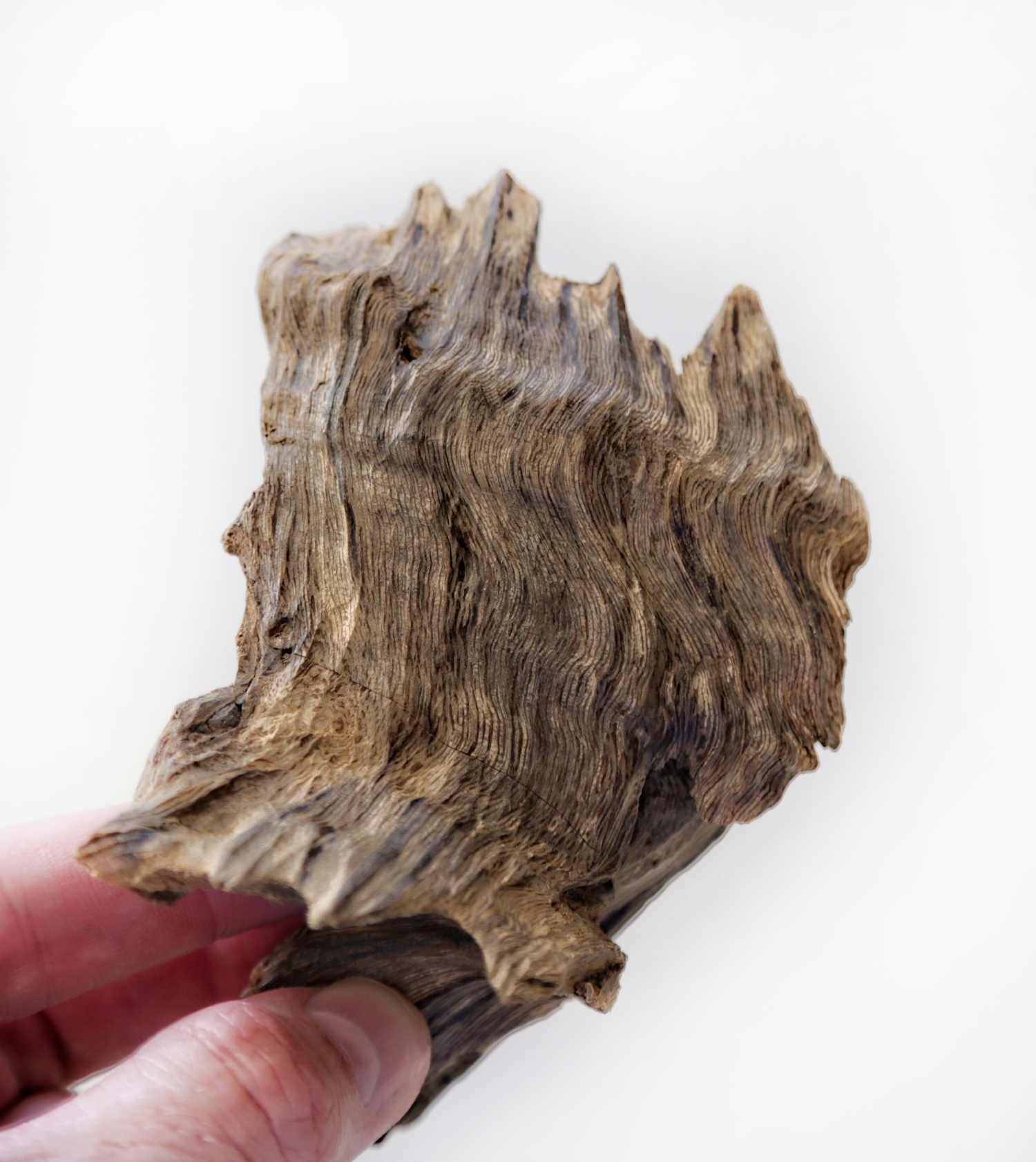
Sinking Almahera hits different mood buttons, tunes a new kind of ambiance, and simply stirs up the olfactory joy you experienced when you first got into heating raw agarwood. It’s that fresh of a take on oud chips!
An acacia sweetness that echoes notes of hibiscus and magnolia. Dew drops of fallen laves about to dry, that day-after-the-rain aroma, a tinge of bitterness that you’d associate with rare Sinensis. And, believe it or not, there’s a hint of Mysore in there, cedar and dried citrus.
Different types of wood are suited to different styles of heating. These ones work well for any occasion because each piece is entirely burnable ? resin permeates the entire chip, right through to its center. So, there’s no need to cut out any white streaks that line the resin (like you see with inferior chips) that gives it that firewood smell right at first whiff. This means you’ll be alright putting a chip on a hot charcoal, if you have to.
The wood itself is sturdy and tenacious so even if you scorch it on a hot coal you’d still get the heart of the scent in good measure. Of course, heat the chips at a lower temperature and you’re in for a bouquet of wild flowers and a spiciness that trumps even straight cedar, with a mystical aroma that reminds you that this is oud from a different era. That’s vintage Almahera for you¦
I’ve found that many people think most oud wood kind of smells the same. Or, at least, the different regions’ woods don’t have the same contrast you find in oud oils. Well, heat up a piece of this and it’s like you’re someone who’s used to Thai ouds and then suddenly somebody gives you a swipe of Green Papua? How’s that for a mind shift?!
The uniqueness of the scent is great in itself. But what’s even better is how it will broaden your appreciation for every other kind of oud wood. Remember: In the world of oud, contrast is the way to go. Experience as many scent profiles as possible in order to delve deeper into each, that’s the rule of thumb. In that vein, you should get at least a few Almahera burns behind your back because your olfactory palette will be so much more enriched thereby. Not to mention the otherworldly aroma that lingers when you get back home from work when your mood is instantly effected by the primal calm inspired by raw oud wood.
I wish I had more Almahera wood. I wish I could find more Almahera wood. But what I have is all I’ve got and will ever get. And there’s not much to go around. The pieces are so rare and so unlike anything else, I encourage you to not just get some to burn today. Get a little bit extra for tomorrow as well!



Related products
-15%
Price range: $219 through $299
It's like you take the raw agarwood vapor exuding from that chip on your…
This product has multiple variants. The options may be chosen on the product page
Price range: $1,669 through $2,500
Oud SQ is the kind of oud that slaps you with an intense reminder. For me, and for many veteran oudheads, it’s this aroma that
This product has multiple variants. The options may be chosen on the product page
$799
Where do you even begin with an oil like this? How do you describe the very smell of…
This product has multiple variants. The options may be chosen on the product page
$1,500
If there's anything in the world of Oud that's even rarer than Vietnamese Kyara, it is…
This product has multiple variants. The options may be chosen on the product page