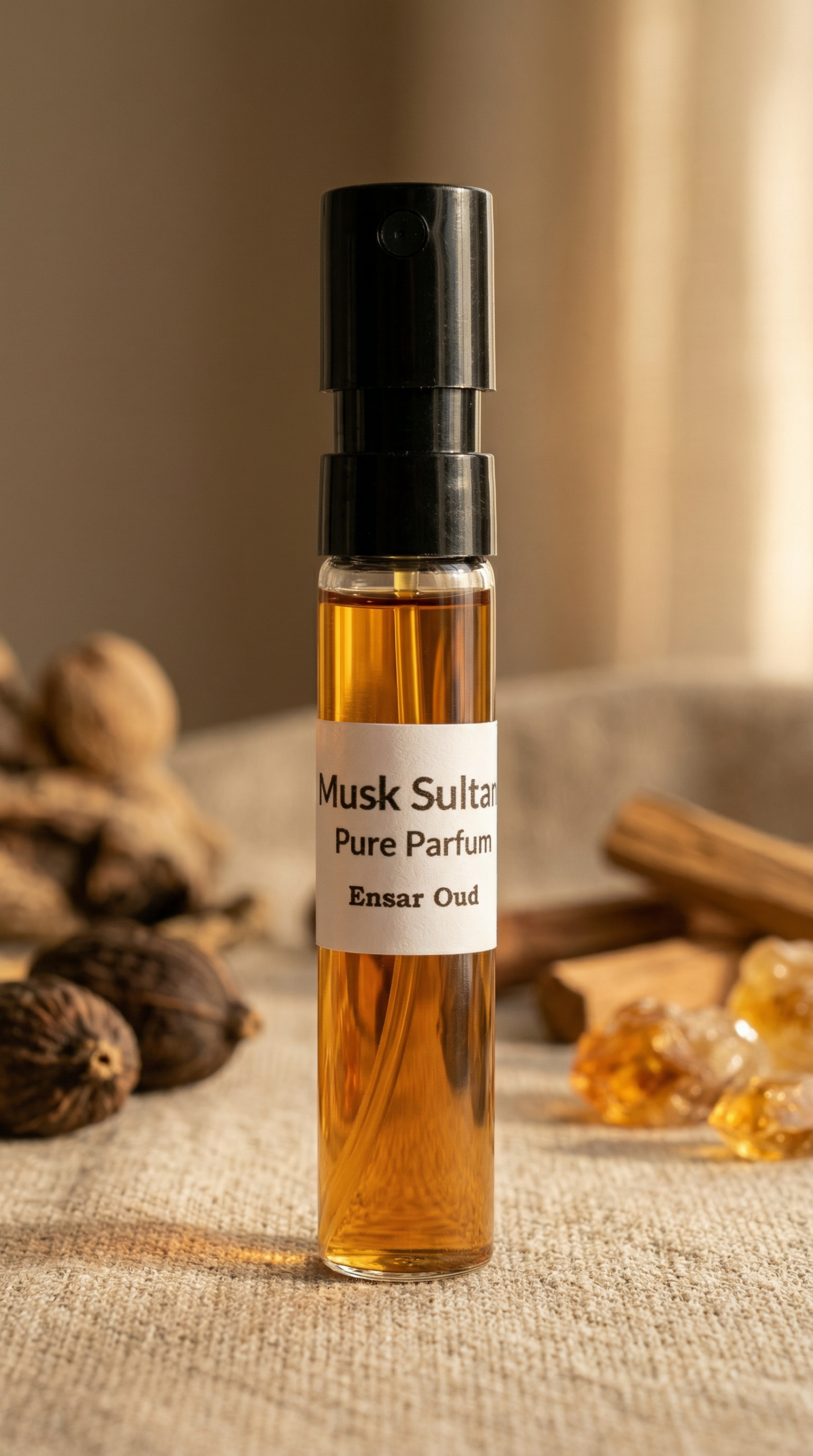
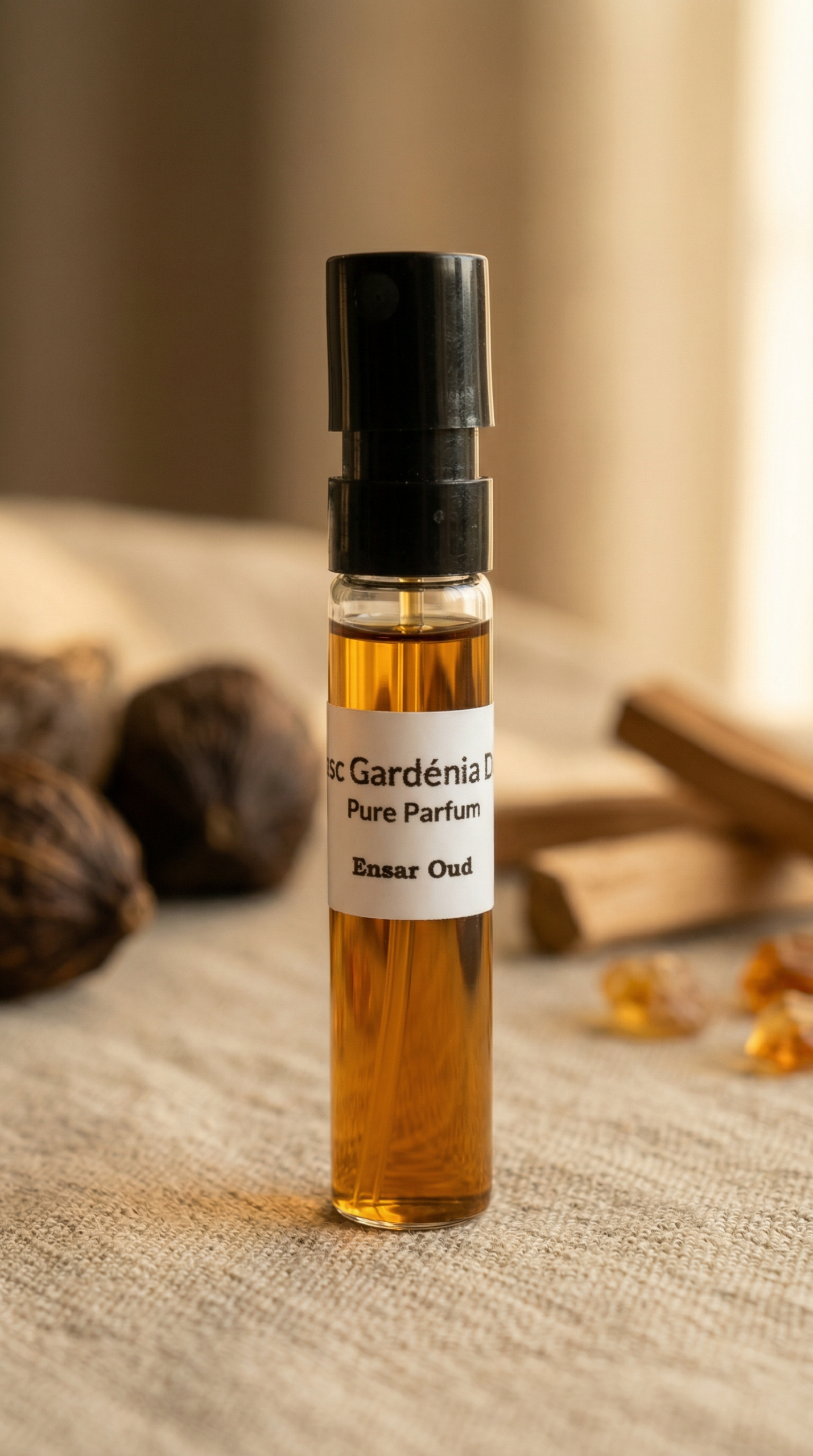
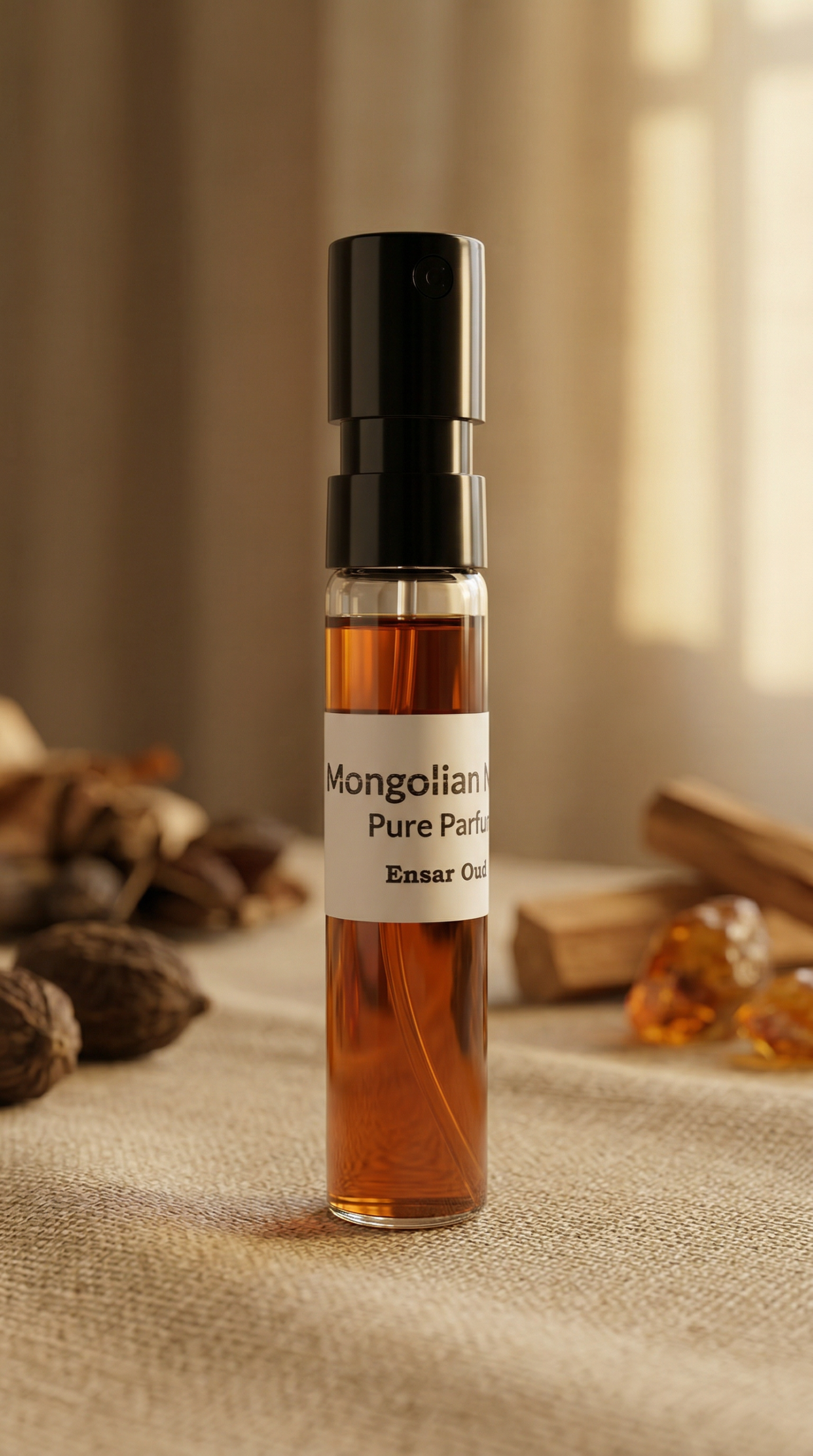
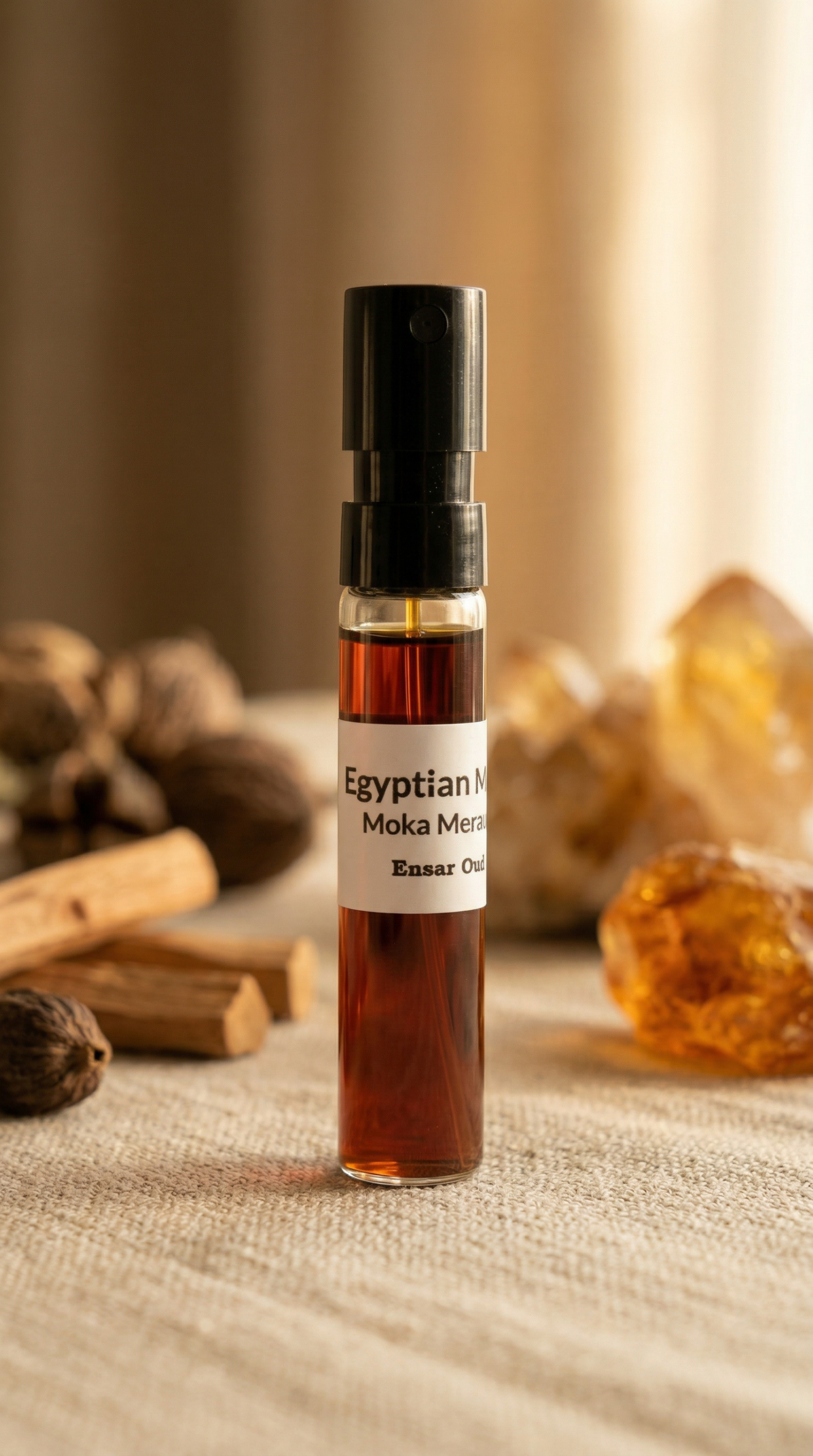
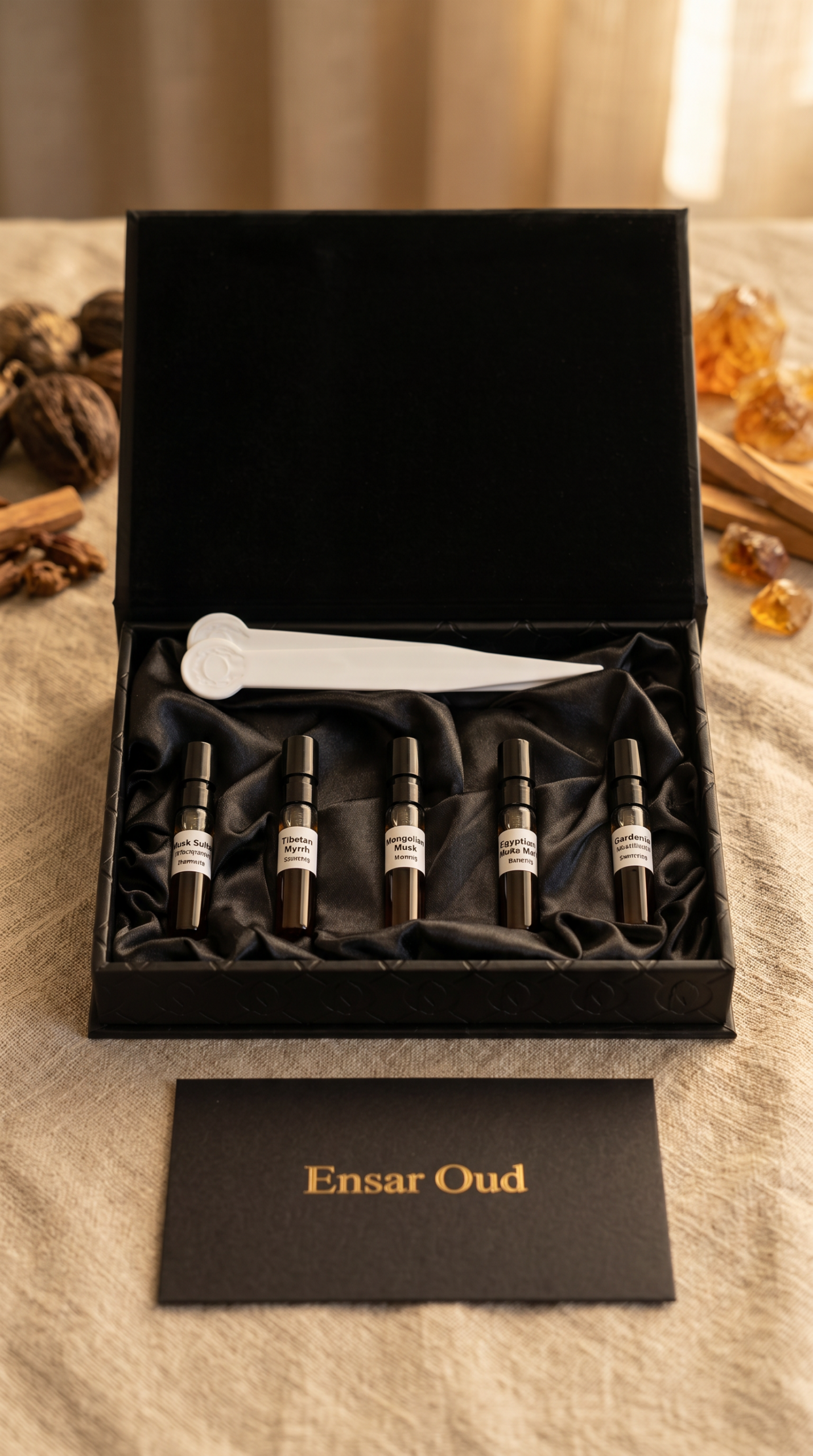
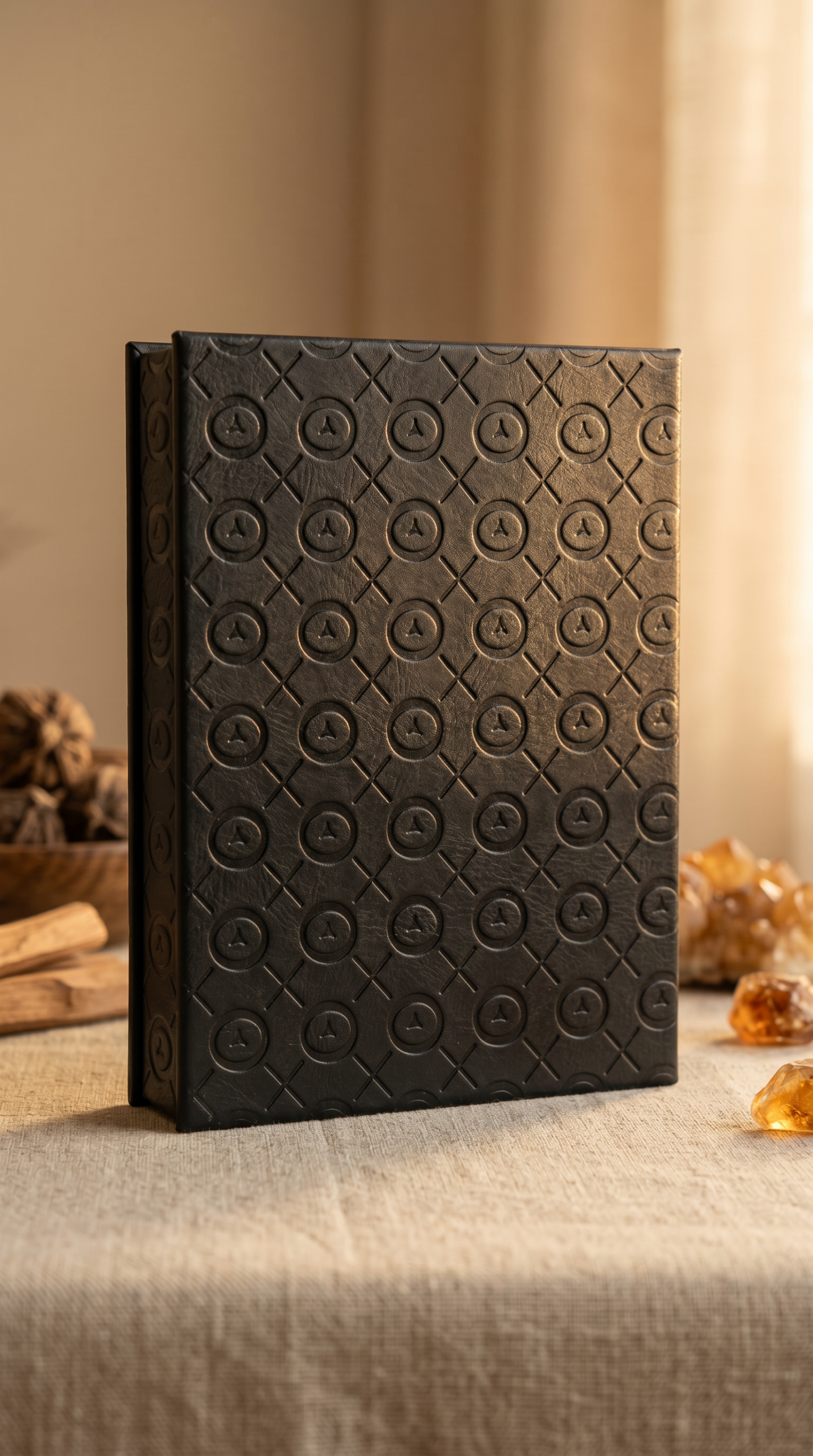
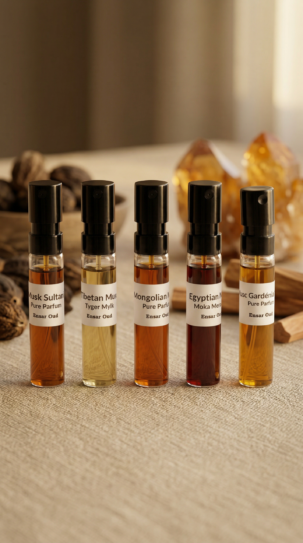
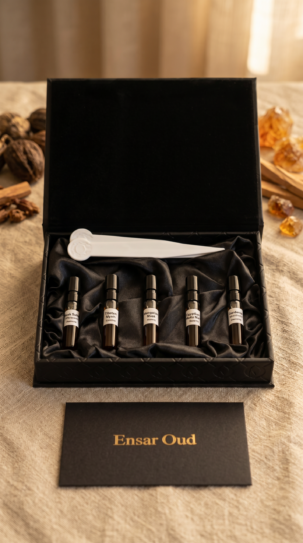
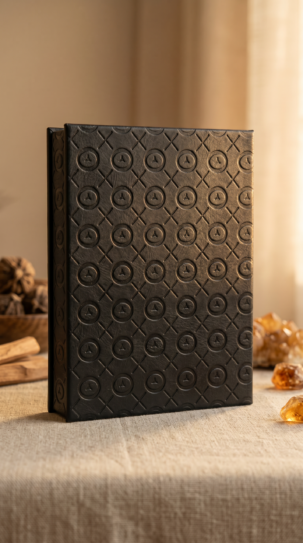
EO Musk Set
$299
This is only a glimpse into what musk truly is…
What the Industry Calls “Musk”
Walk into any department store and ask for musk. What you’ll receive is a white synthetic molecule – galaxolide, or one the many lab-made musks developed specifically because the real material became too expensive, too regulated, and too challenging to work with. These synthetics don’t truly fix or amplify other aromatics. They don’t evolve over hours. They smell the same on every skin and in every climate – that’s why mass production likes them.
Real musk does none of these things. Real musk comes from a single source: the musk deer, a small tusk-bearing animal ranging across a strip of terrain from Siberia through Tibet, Kashmir, and the Himalayas. The trade has been regulated for decades.
Perfumers call animalics like musk “exalting fixatives” for a reason. Musk’s function is not to smell of itself – it’s to exalt everything around it, to bind volatile top notes to the skin, to amplify and deepen whatever it touches, and to project a composition beyond what any floral, resin, or oud could achieve alone. A composition built on real musk doesn’t just smell better, but also behaves differently.
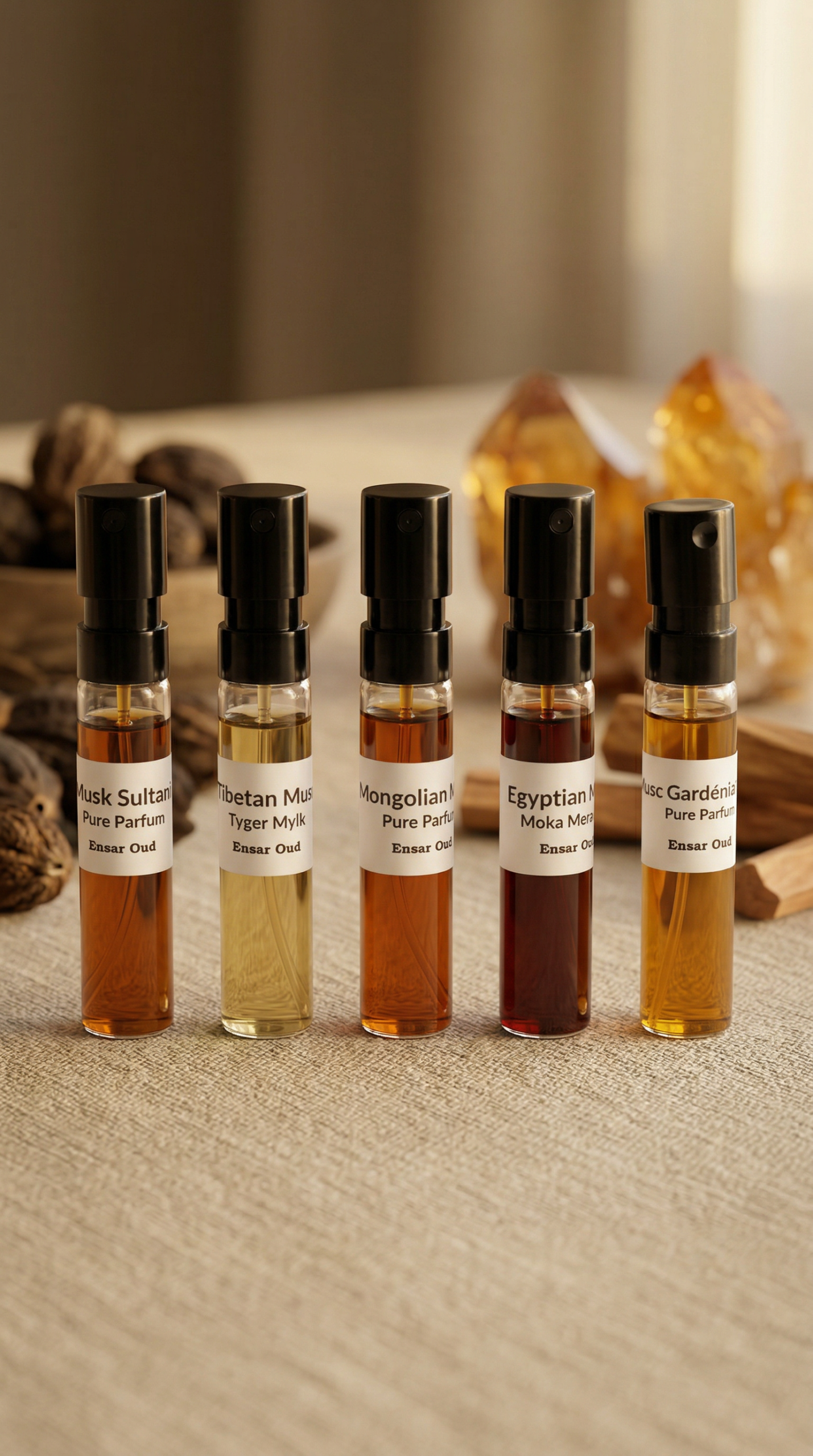
The EO Musk Set contains five compositions, each composed around a different musk – in most cases, musks from sources that no longer exist. This is not hyperbole. The deer that produced several of these pods have been protected species for decades. The royal collections they came from are closed and date back possibly centuries.
That’s the musk in this set. Not a trace or a synthetic approximation. Not muscone isolated and stripped of everything that makes musk musk. The real grain – tinctered, aged, and composed into five perfumes that show you exactly what it does when it’s actually used.
Musk at Work
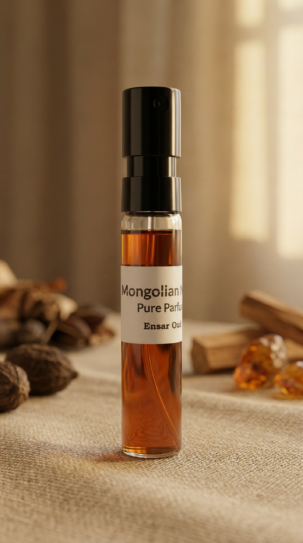
Mongolian Musk: Mongolian musk grain is distinct from Tibetan in character – earthier, darker, with a bittersweet quality that reviewers consistently describe as truffly and chocolatey rather than sharp or camphoraceous. This composition pairs it with puerh black tea, honeyed carob, cinnamon, and black pepper to build a base that is dense and animalistic without becoming oppressive. The oud and decades-old Sultani sandalwood function as structural carriers rather than featured notes – the oud’s resinous woodiness and the sandalwood’s spiced creaminess hold the musk in suspension, slowing its diffusion and extending its presence on skin. Sultan Qaboos’ personal attar threads through the composition, adding a quality that cannot be sourced independently – a bittersweetness that creates what Ensar describes as a rouge effect, one of the most compulsively rewearable closings in the EO catalogue.
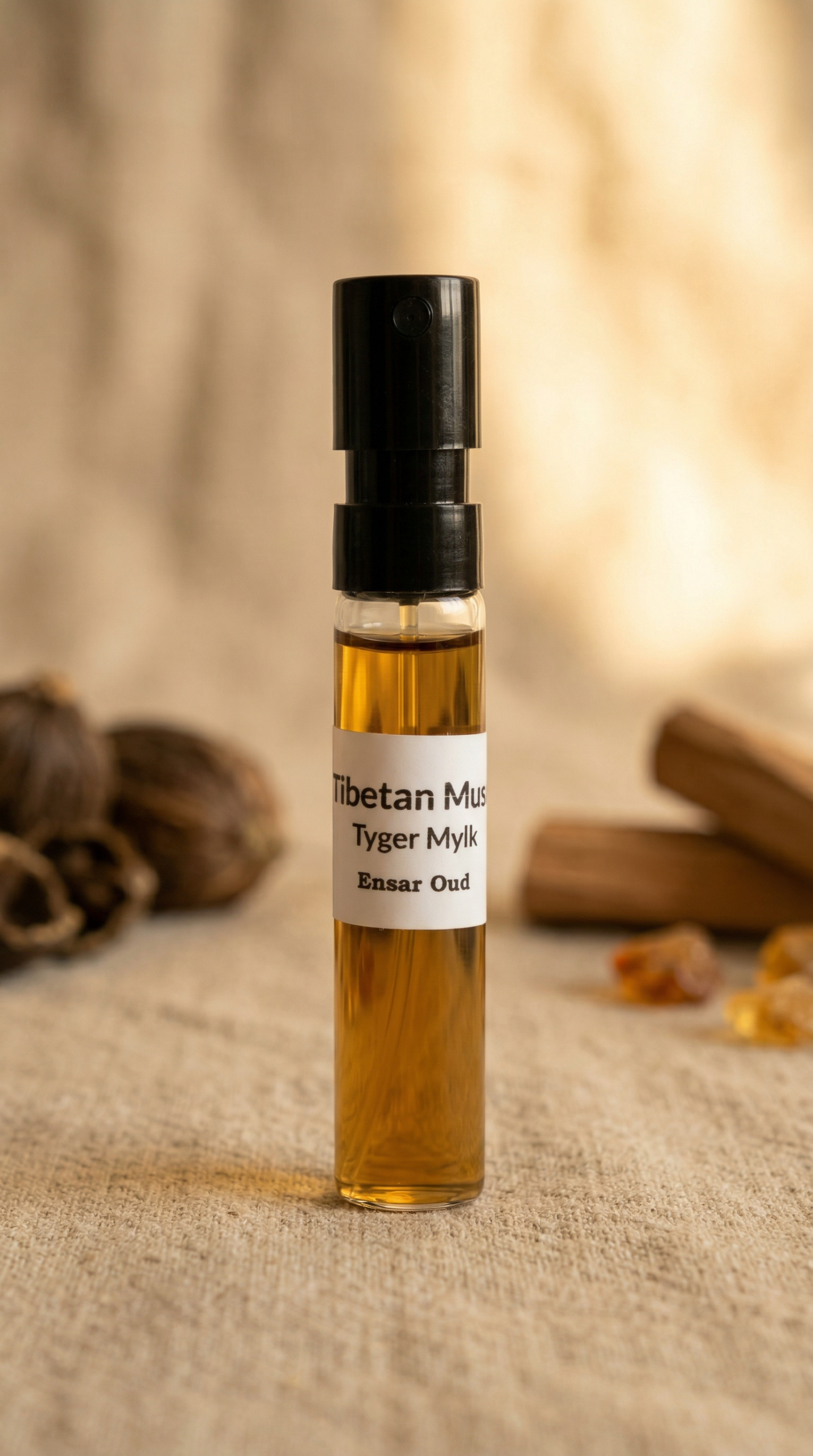
Tibetan Musk: If Mongolian musk is dark and earthbound, Tibetan musk is sparkling and effervescent – bright, animalic, and intensely diffusive. The composition built around it’s closer to a French parfum in structure than anything in the EO oil catalogue: lavender, blackcurrant bud absolute, Hojari frankincense, crystal amber, and cedar create a fougère-style architecture that the musk detonates through rather than sits beneath. The lavender opening is sharp and fresh – not creamy or powdery – and the blackcurrant absolute adds a dark, almost medicinal fruitiness that makes the opening feel simultaneously classical and feral. By the middle hours, the Tibetan musk has pulled everything toward it: the lavender softens, the frankincense resins, and the whole composition collapses into a creamy, enveloping animalic warmth. This is the composition that most consistently gets described as Ensar’s finest work.
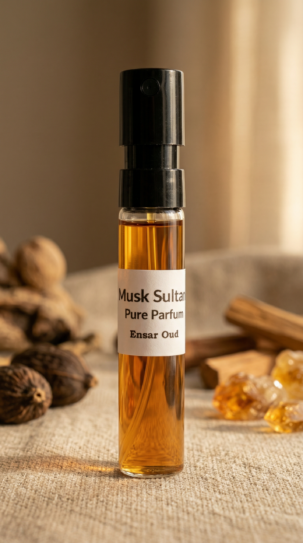
Musk Sultani: Three Cambodian ouds form the core – Chenla, Ko Kon, and Pusat, the rarest-grade Cambodi oils, each with more kinamic bitterness and resinous density than anything produced from lower-grade plantation material. Pusat in particular sits closer in profile to Vietnamese Nha Trang or kyara than to typical Cambodian oud – piercing, medicinal, and relentlessly resinous. Into this, Kashmiri musk-infused Indian sandalwood is fused, then layered with vintage Tibetan and Tonkin musks from the Sultan’s private estate. The result is not musk as a supporting note – it’s musk biting directly into bitter Cambodi oud, castoreum and Sichuan pepper extending the animalic register into something saline and bodily, a brief citrus accent at the opening burning away almost immediately to leave the oud-musk core completely exposed. This is the most confrontational composition in the set.
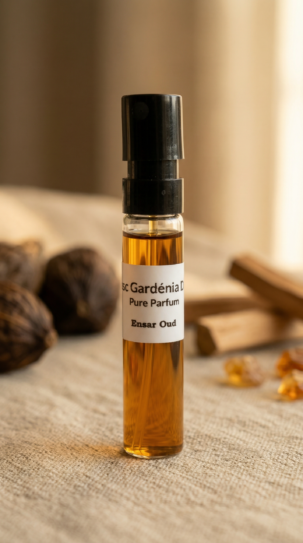
Musc Gardénia: Built on a Kashmiri and Mongolian musk accord that opens with a rooty, peppery, chocolatey intensity before the florals are allowed in – and they are allowed in deliberately, in sequence. Orange blossom, jasmine, frangipani, blue lotus, mimosa, and blue cypress arrive as a white floral bouquet that the musk both supports and filters. The blue lotus and frangipani give the composition a pollen-powdery effect that softens the Mongolian musk’s natural aggression without flattening it. Walla patta oud from Sri Lanka contributes green stems and earthy cooling depth to the floral heart, making the whole composition feel inhabited rather than constructed. This is the most diffusive and the most wearable composition in the set – a powdery floral chypre built on materials that conventional chypres have never had access to.
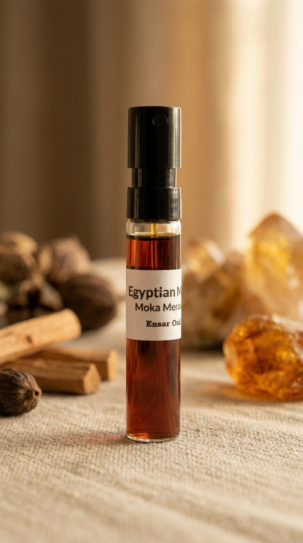
Egyptian Musk: Ancient Egyptian texts describe a musk-centered perfume built from frankincense, patchouli, myrrh, and cedarwood – as much a healing preparation as a fragrance. What is sold as Egyptian musk today is none of these things: it’s a light, clean white musk synthetic sold in clear bottles, assembled for maximum inoffensiveness. This composition ignores that lineage entirely. Apricot and peach open with Silk Road spices – tagetes, saffron, ginger – before tobacco, clove bud, and cardamom anchor the heart in dense earthy warmth. Centennial Maroke oud and Oud Extraordinaire move the drydown into territory that the ancient formulas could never have reached, simply because those materials didn’t exist in Egyptian perfumery. This is not a reconstruction. It’s what Egyptian musk could have been if its perfumers had access to what Ensar’s atelier holds.
What You’re Actually Buying
Most people have never smelled real musk. They’ve smelled the fake muscs; clean laundry dressed up with a name that means something else entirely.
What musk actually does – the exaltation, the fixation, the way it extends every other aromatic it touches and makes a composition behave on skin as no synthetic can replicate – is what this set demonstrates across five compositions, five musk sources, and five completely different results.
If you are ready to move beyond the surface, to experience perfumery at its most raw, most refined, and most real, then this is the most direct education in real musk available anywhere.
Related products
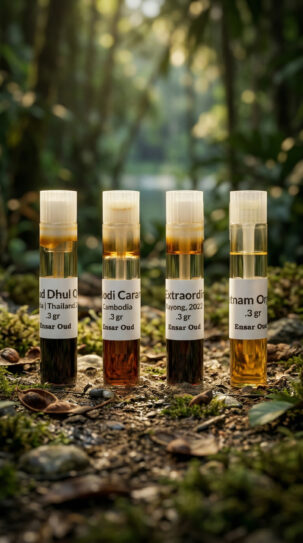
We’ve been on a mission to distill the best Organic Oud for over a decade and these this set lets you enjoy the
This product has multiple variants. The options may be chosen on the product page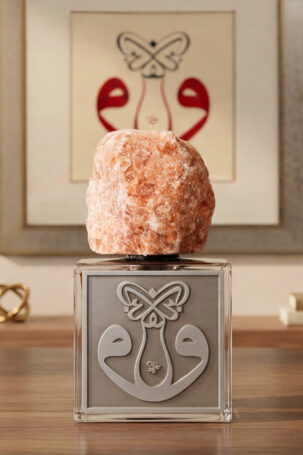
In olfactory terms, Palindrose reads…
This product has multiple variants. The options may be chosen on the product page
Smell the Past…
This product has multiple variants. The options may be chosen on the product page
Rose is a versatile note, but its effect in a perfume relies entirely on the quality of the…
This product has multiple variants. The options may be chosen on the product page