Blue Oud: Brunei
Price range: $2,500 through $7,500
It’s practically impossible to capture the virgin fraction…
I can’t remember how many times I’ve had to answer the ‘Blue Oud’ question.
“I heard it’s the best…”
“Do you have any BLUE oud?”
Let’s set the record straight. There’s no such thing as “blue oud.” At least, not the way big brands market it.
Everybody’s got a “blue oud”. They’re everywhere – colored liquids sold to casual perfume wearers who know zilch about real oud. It’s gotten so trendy that if you don’t have a “blue oud,” people look at you sideways.
Trying to explain that there’s no blue oud just like there’s no white musk, is met with suspicion… “They sell oud, how can they not have blue oud?!”
TLTR: People buying blue oud are buying pigment. Fool’s gold.
That said, I’ve actually seen pure bright blue oud…
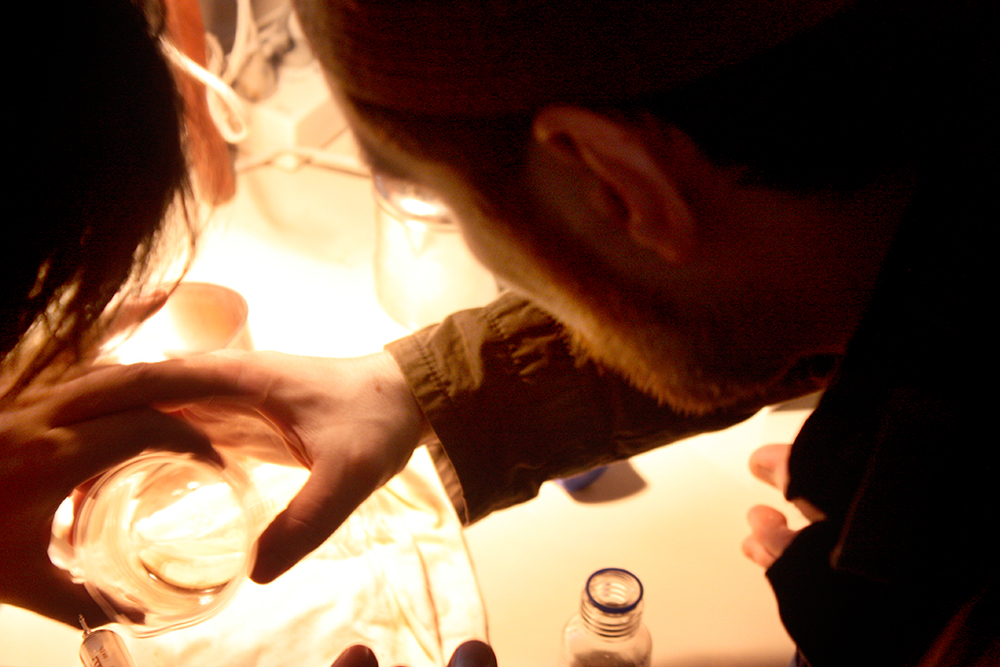
The phenomenon only lasted for a few hours back when we watched the first drops of Sultan Fatih (New Guinea) drop into the beaker. It even smelled blue. I had never seen anything like it and I wished I could pause time and keep gazing at and breathing in that… blue aroma.
It only lasted a few hours because of the “first fraction” phenomenon. The first drops of oud are often light, bright, and less dense. The oil gets darker as the heat dissipates and it becomes more settled. It won’t help collecting or even freezing that fraction. No matter what you do, the smell and color will change once you’ve collected the oil.
It’s practically impossible to capture that virgin fraction. Like a flower that blooms for a minute, once a year – you have to be there to see it. If you’re not there at the beaker when it happens, you’ll miss it.
That’s the magic of distilling oud: those flashes of color – those island blues, translucent greens, bright yellows that vanish as soon as they appear.
While “blue oud” is purely a Big-Frag marketing gimmick (they simply color the liquid), you can get blue oud – you might even own some.
Brunei Oud is a prime example of blue oud (though their first fraction is bright yellow). Certain Walla Patta distillations run beautifully blue (first fraction, bright green), and plenty of Malaysian ouds possess that unmistakable blue profile.
I’m telling you all this because we don’t want to feel left out. “How can Ensar Oud not have a blue oud!?”
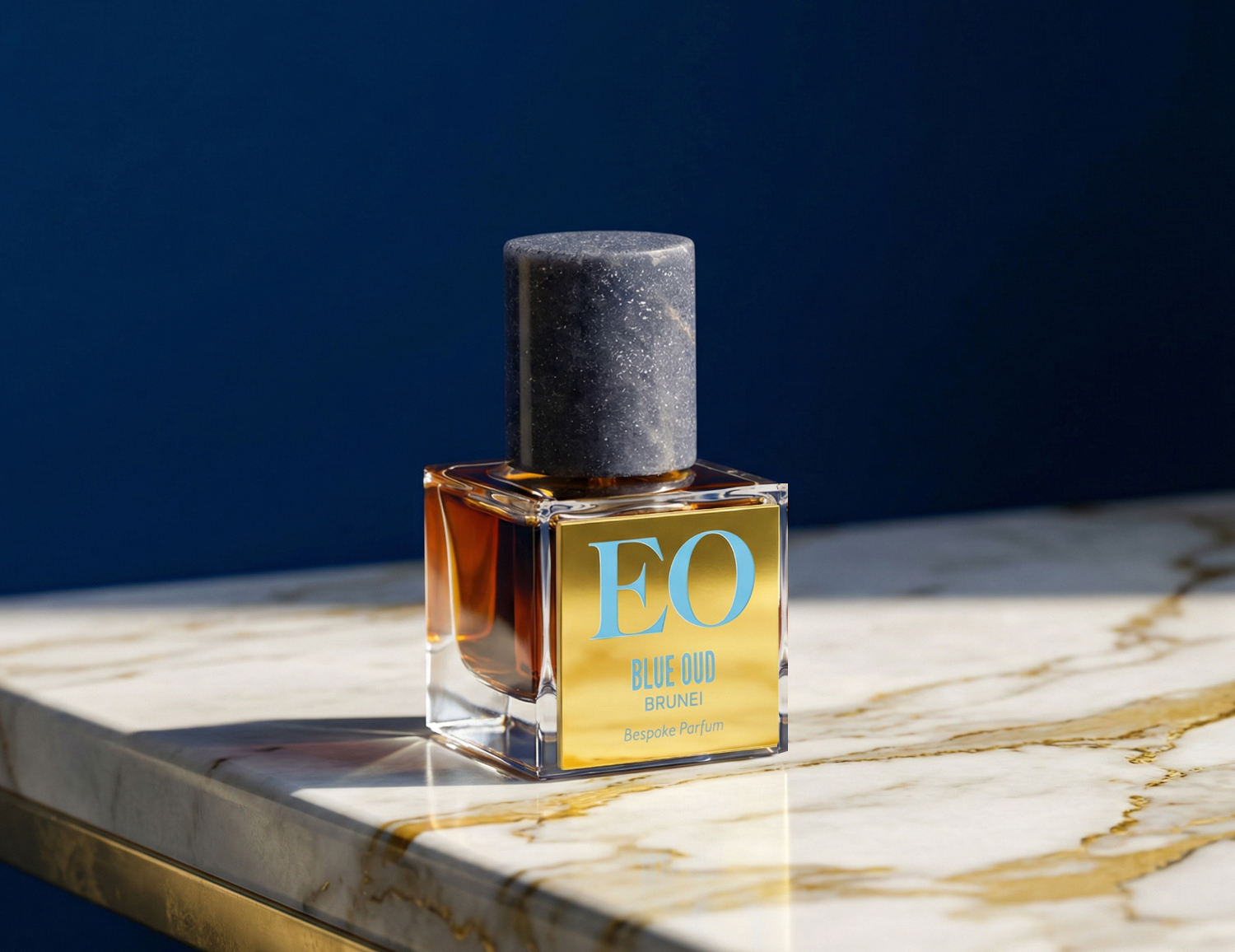
So, to get with the times, here you go: BLUE OUD, the Ensar Oud way.
No coloring agents. Real oud, of course. The bluest ouds we have. Malaysian, Sri Lankan, and a touch of that Sultan Fatih pure blueness, all decked out in all sorts of blues: cypress, lilies, sage, and chamomile – in natural aromatics, the blue usually comes from chamazulene (sesquiterpenes formed during distillation) or azulene, apparently present in malaccensis – and even a touch of Aoudh al Azraq (“Blue Oud”) that went into Jamaican Ambergris.
The juice won’t be blue, sorry. If you know EO, you know looks don’t mean much. We don’t even fully filter out residue (our perfumes are so saturated, it shows) and we don’t care that Green Soil is dark brown. Do you remember what color Kinam Rouge is?
But it will be drenched in the finest Brunei oud on the planet: Kyara de Kalbar. It’s hard to express just how much I love Brunei oud. Whenever I think of its soulful rich resin it pushes aside even the finest Nha Trangs for a moment.
Kyara de Kalbar has been one of my crown jewels for years. I sparingly use it, and only occasionally offer it. Hailing from Brunei, it’s easily the finest oud from those legendary jungles.
Distilled from Brunei Kynam shavings, it’s as pristine a portrait you could capture of the deep-earth-oil sipping roots that make Bruneian agarwood an incomparable olfactory luxury.
Related products
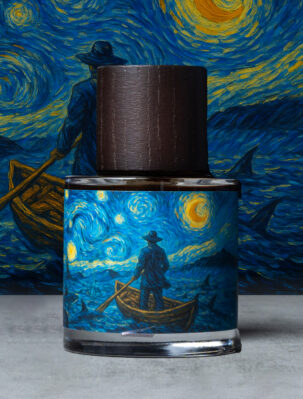
Don Morisco is my alter ego. And this is our ode to oud…
This product has multiple variants. The options may be chosen on the product page
What happens when you take the juiciest, most violet-stained berry nectar and…
This product has multiple variants. The options may be chosen on the product page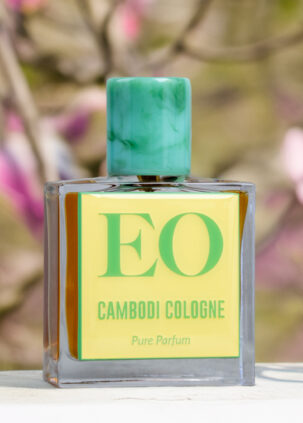
A fat dose of Cambodian oud (distilled in our new custom-designed distillery) and ruh khus give the fragrance a
This product has multiple variants. The options may be chosen on the product page