There are fragrance lovers who wait for flowers to bloom. Then there are those of us who wait for the rain to hit the ground.
That first smell rising off hot earth can do strange things to a nose – petrichor, wet bark, crushed leaves, roots suddenly throwing their scent, resinous woods opening in the humidity. Rain doesn’t simply make things wet; it wakes things up. Jungles turn greener. The Earth starts breathing. Bark, moss, roots, flowers and resins seem to give off twice the aroma they did an hour before.
And some noses go completely mad for this stuff.
There’s an entire vocabulary of scents written by rain – terre, petrichor, herbaceous roots, crushed green leaves, resin bleeding from rain-soaked agarwood – and once your nose tunes into it, you start finding it everywhere. In vetiver. Patchouli. Oakmoss. Certain ouds especially. You start recognizing which woods smell better after an imaginary downpour, which greens need to be crushed and rained on before they explode with scent, which ouds have petrichor seemingly distilled right into the resin.
It becomes a particular kind of olfactory itch.
September Rain is for those of us forever trying to scratch that itch. And if you’ve made it this far wondering what on earth could make someone go mad for petrichor, rain-darkened roots and bitter green resin, perhaps it’s time you smelled what the rest of us are so obsessed with.
Sumatran Aquilaria hirta literally means “hairy,” and funny enough, I once saw someone – without knowing this – describe Sumatran oud as smelling like wet dog hair. Which sounds terrible, until you’ve smelled enough Sumatra to know exactly what they were getting at.
In lesser distillations, that humid, musky wildness can indeed smell strangely hairy. But coax it out of mature Hirta with an artisanal distillation and you get the beautiful side of the same beast – bitter green resin, an almost feral muskiness, spice and strange flashes of fruit, with that unmistakably Hirta noir pulsing underneath.
Galbanum tears through the petrichor with the bitter green of snapped stems and crushed leaves, sharpening Hirta’s own herbaceous edge, while jasmine slips something creamy, floral and faintly animalic between the resin and rain. Vetiver unearths freshly torn roots and rain-darkened soil underneath it all, until Sumatora’s strange flashes of fruit seem riper, its green more bitter, and its musky undertones more feral.
The result is that peculiar trick great Sumatran oud can play on your nose: fruit ripening against bitter green resin, musk hiding beneath rain-washed leaves, and that dark Hirta incense emerging from the earth with an almost tropical lushness.
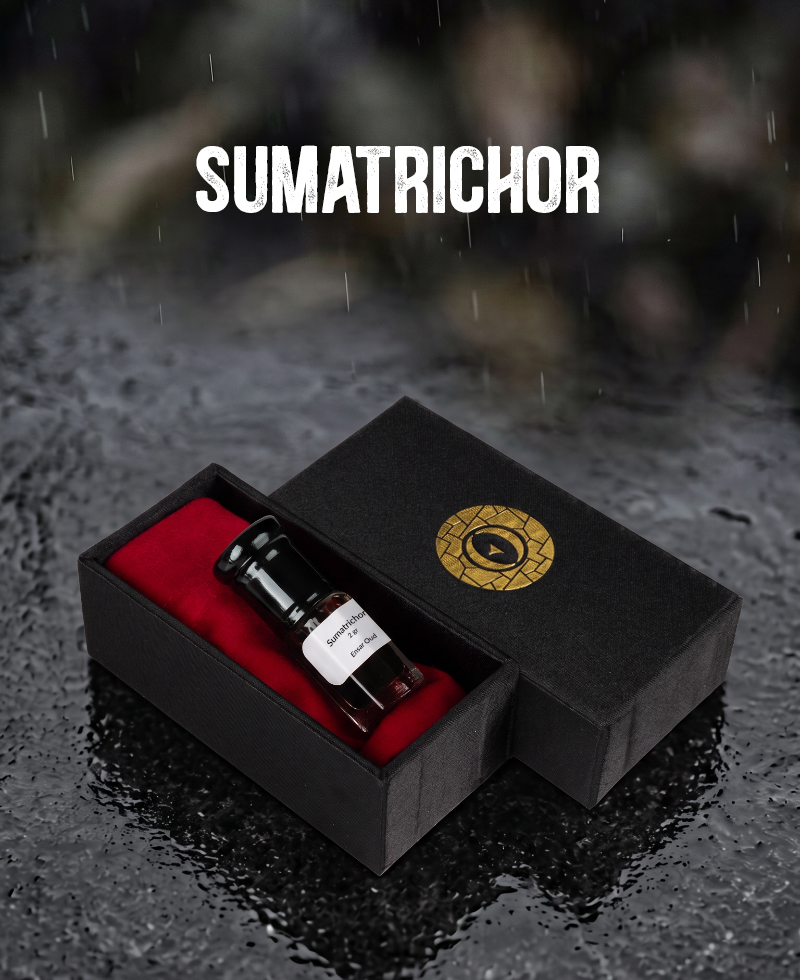
· Sumatrichor (2 g, Attar)
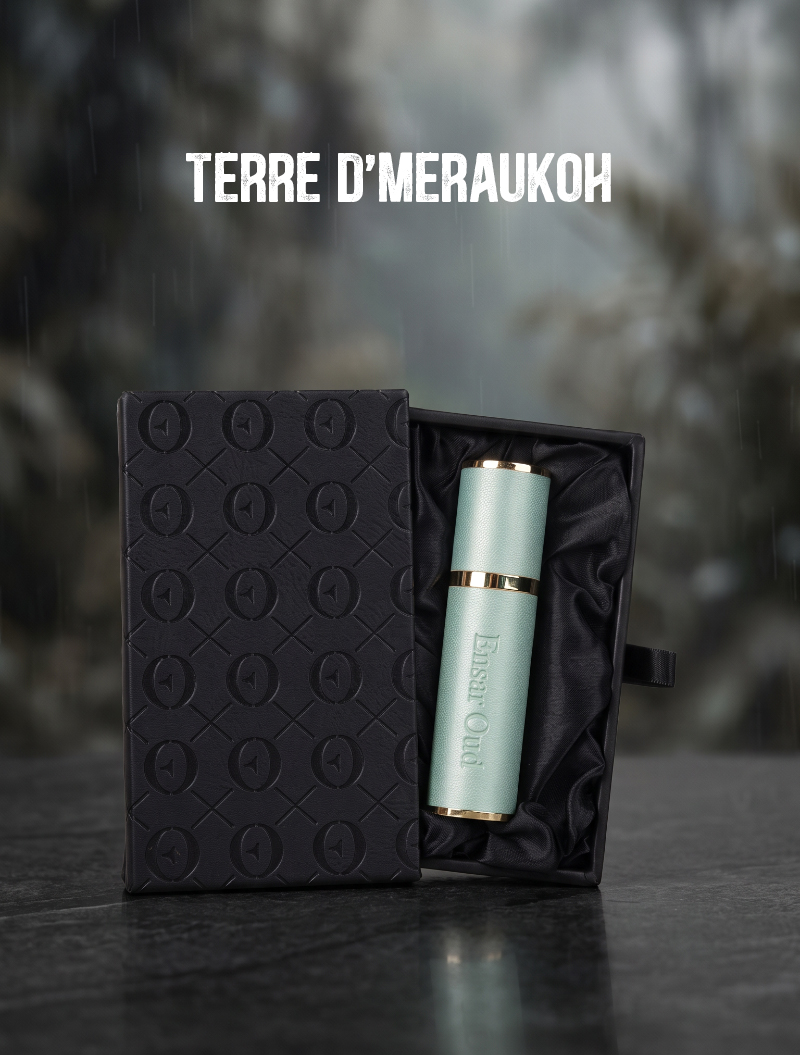
· Terre d’Meraukoh (10 ml, Pure Parfum)
· Sumatrichor (2 g, Attar)
· Terre d’Meraukoh (10 ml, Pure Parfum)
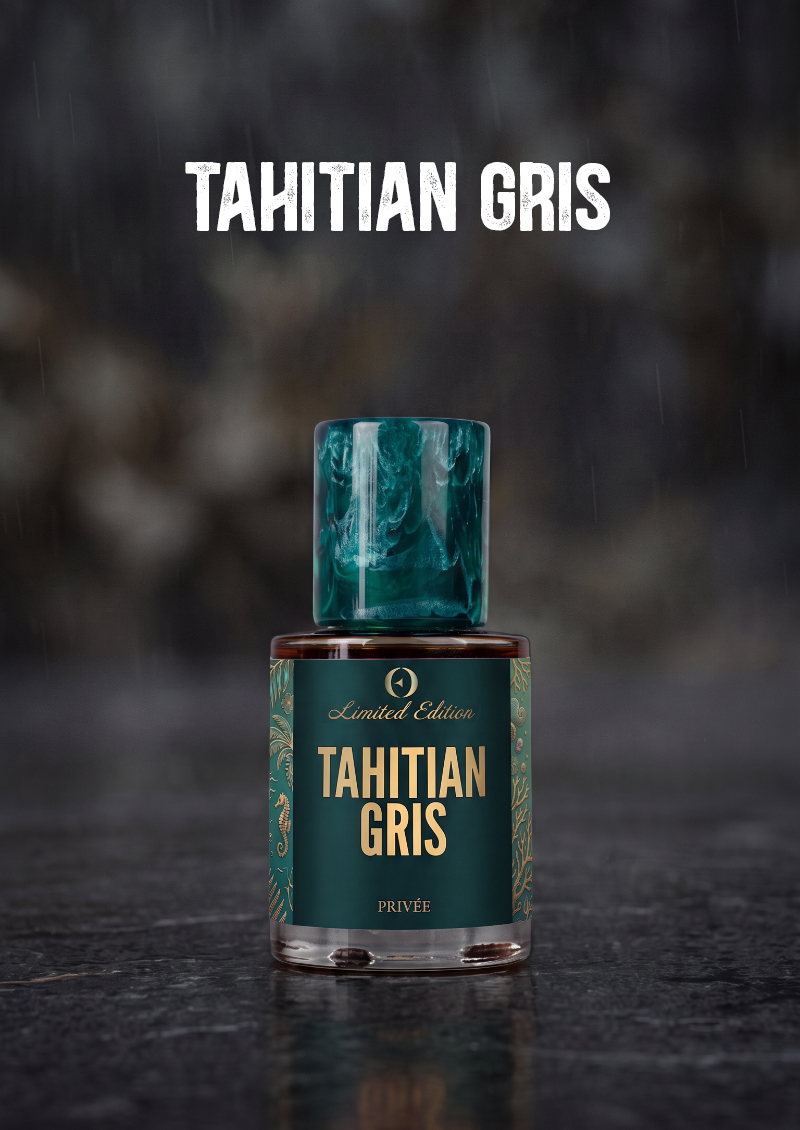
· Tahitian Gris (30 ml, Eau de Parfum)