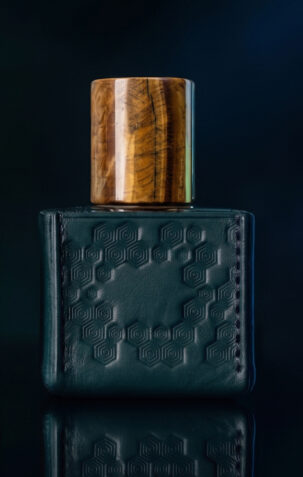
Borneo Kinam
$3,500
At this concentration, Borneo starts giving up notes you’d swear…
There’s an old problem in perfumery.
Sometimes, the perfume is already inside the raw material.
Some ouds invite composition. Oud Sultani practically hands you the formula: purple flowers blooming out of blue resin, grapes and dark berries, honey, violet, cool mint, rain-soaked earth. Kambodi 1976 gives you ripe red fruit and dark flowers, honeyed tobacco steeped in thick, sticky Cambodian resin. Kyara de Kalbar comes with a blueprint: wild fig, blackcurrant, raspberry, purple grape, violet, and orris smoldering over Bruneian incense.
After twenty-three years, you get pretty good at reading oud this way.
Then an oud like Borneo Kynam comes along.
The honey is there. The berries. That creamy vanillic haze around the resin. Cool kinamic resin running through the middle. All the clues are right in front of you.
Except something has happened to them.
If I gave you the raw Borneo Kinam without telling you what it was, I doubt “Borneo” would be the first word out of your mouth.
And that became the problem: how do you turn something into perfume when there’s already a perfume hiding inside the oud?
So I went back before the perfume. Before the oil, even. Back to the reason we called this stuff kinam in the first place.
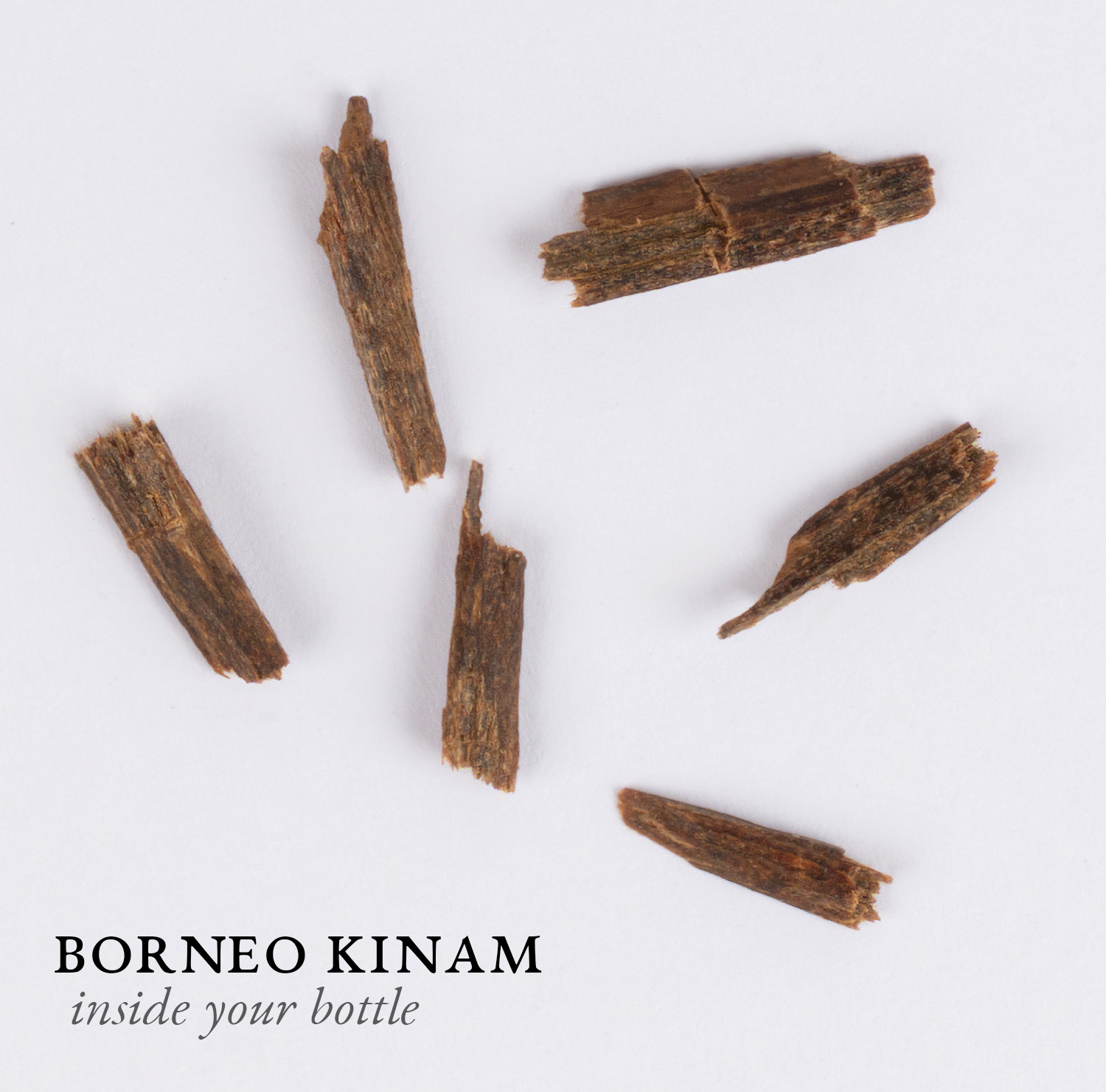
Look at the wood.
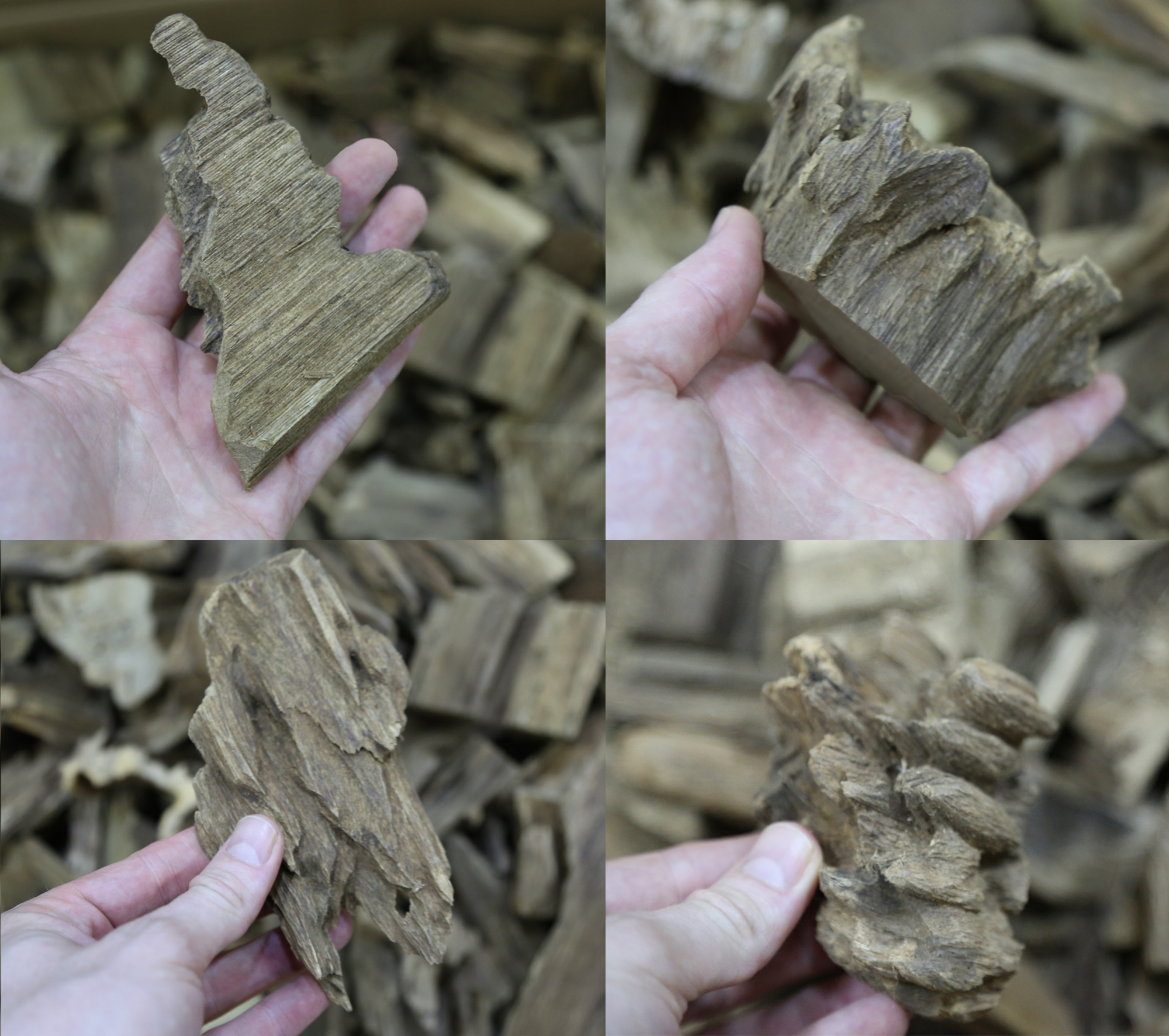
You don’t see this caliber come from Malinau’s jungles anymore. In fact, when we acquired the batch – a decade ago – it was already old-stock. Even then, there was nothing like it anymore.
And the strange thing is, some of the best pieces don’t look the way most people expect extraordinary agarwood to look.
You expect black. Heavy. Resin visibly swallowing the grain.
Instead, some of these pieces glow almost… yellow.
Look closer and the striations tell another story. The wood is so saturated that resin has taken over almost everything you normally recognize as agarwood. Heat it and that familiar sweet Borneo perfume is there, but now with cooling kinamic bitterness cutting straight through the fruit and honey..
If you think the pieces ought to look darker – blacker – for them to count as quality, that’s where kinam gets interesting. A lot of kinam is surprisingly light-colored. That’s because kyara is essentially an extraordinary form of kyen – the softer, oil-rich resin phase that ordinarily develops toward seah, the hard resin you probably have in mind. But this isn’t ordinary kyen. It’s kinamic kyen, which can have a lighter, almost yellowish tinge.
Take the golden drops juiced from those chunks, and make that your canvas for crafting a perfume rendition of one of nature’s rarest fragrances.
Golden resin shot through with pink. At first it smells like the jungle has flowered directly through the resin strains: cool hyacinth blue bleeding into lotus pink, great white folds of tuberose already sticky with sap. Then the colors darken. Raspberry becomes apricot becomes the strange peach-fuzz of osmanthus, and before you can decide whether you’re smelling fruit or flowers, tobacco catches the darker side of the resin – brown, supple, cured – and suddenly the fruit, flowers, and oud seem to have ripened on the same tree.
Davana makes the whole brew feel voluptuously ripe. Not sweeter. Riper. The difference between a peach on the counter and one splitting open in tropical heat.
And Borneo Kinam is everywhere inside it. In the bitterness behind the tuberose. In the resinous skin of the fruit. In the coolness running through all that tropical flesh. Even the tobacco smells resin-cured.
Your bottle contains give-or-take six grams of oud – a full 40% of the composition – with three generations of Borneo oud braided through the same brew into one grand Borneo spectrum. At this concentration, Borneo starts giving up notes you’d swear had been added to the formula, except every one of them is coming out of the oud itself.
Ten-year-aged wild Malinau pours gold into gold: raspberry glazed in honey, cinnamon and vanilla, pollen dusting the resin yellow. Vintage wild Mantarang captures another side of the same profile – cooler and more crystalline, with a camphoraceous incense edge that finds the Kinam’s own cooling bitterness and keeps all that ripe fruit and floral density from turning plush or syrupy. Raspberry warms into honey while tobacco-oud incense wafts around it, pollen clings to bitter resin, and suddenly you’re smelling different generations of Malinau bleeding into one another.
The effect is almost synesthetic: pink that smells orange, flowers with resin for blood, fruit ripening and tobacco curing inside centennial malaccensis.
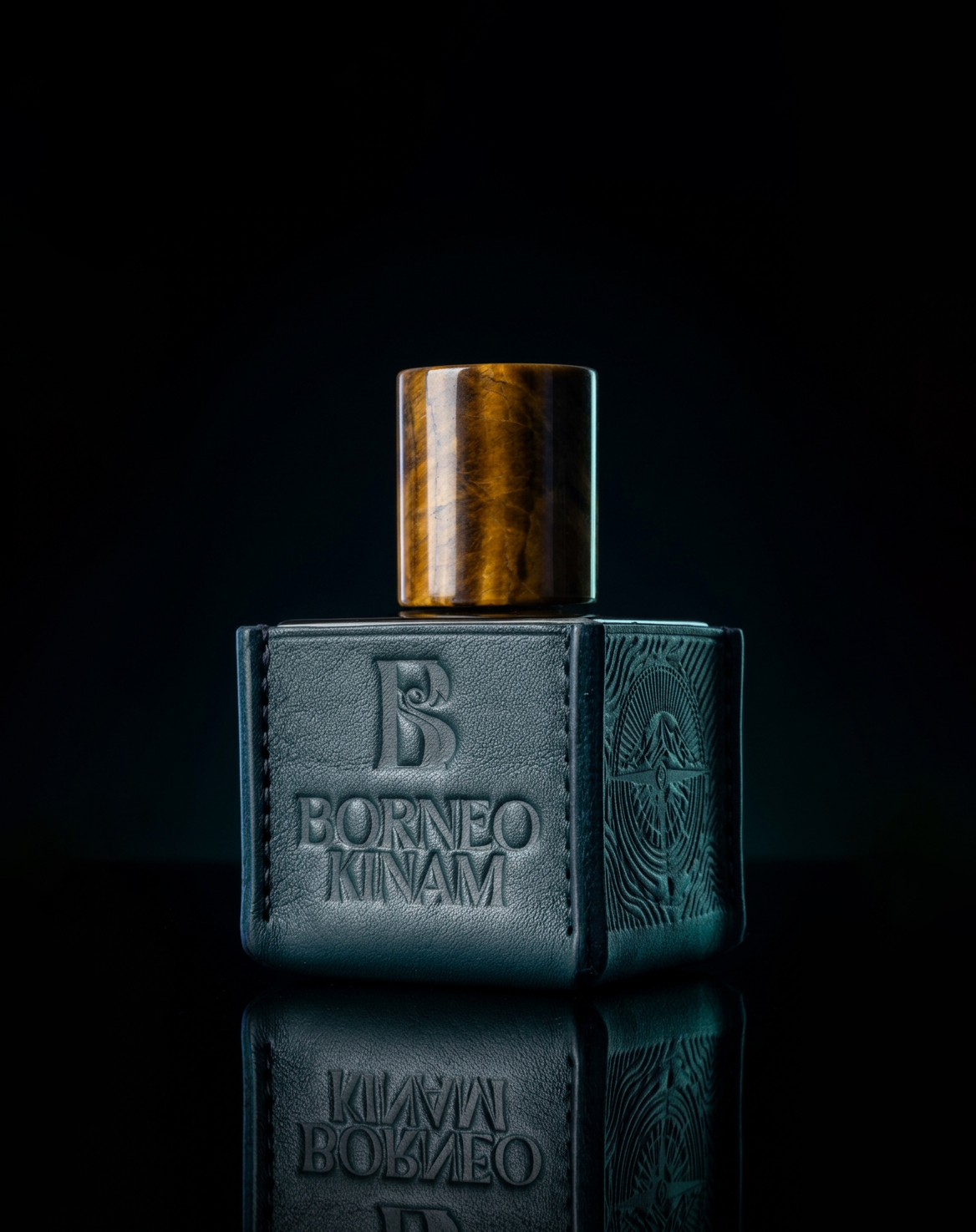
*Your bottle contains a few pieces of actual Borneo Kinam inside – worth $300 per gram.
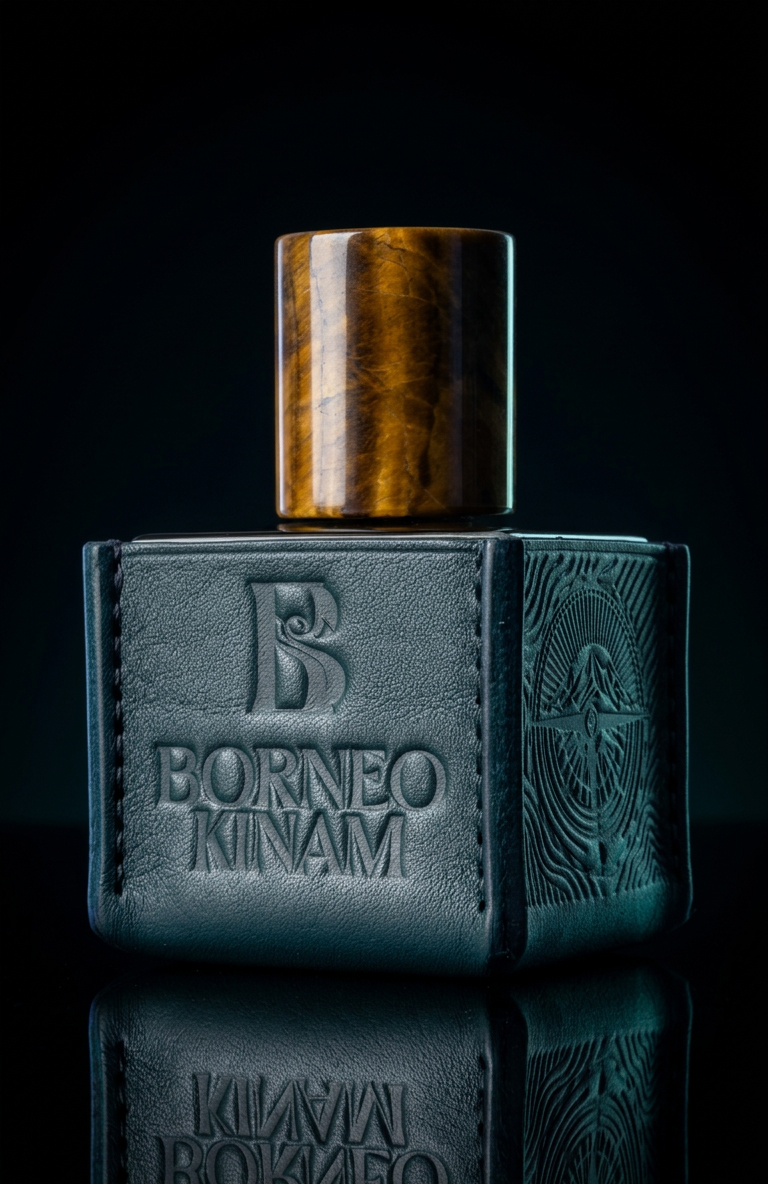
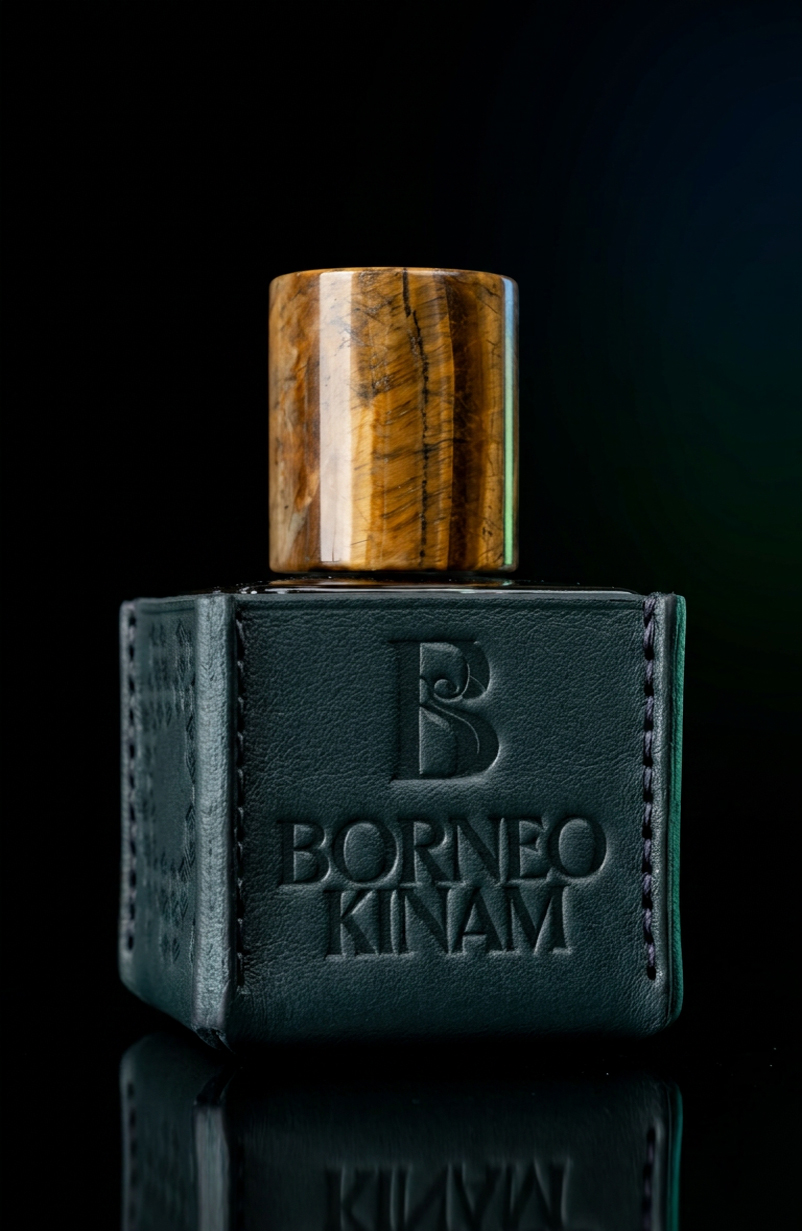
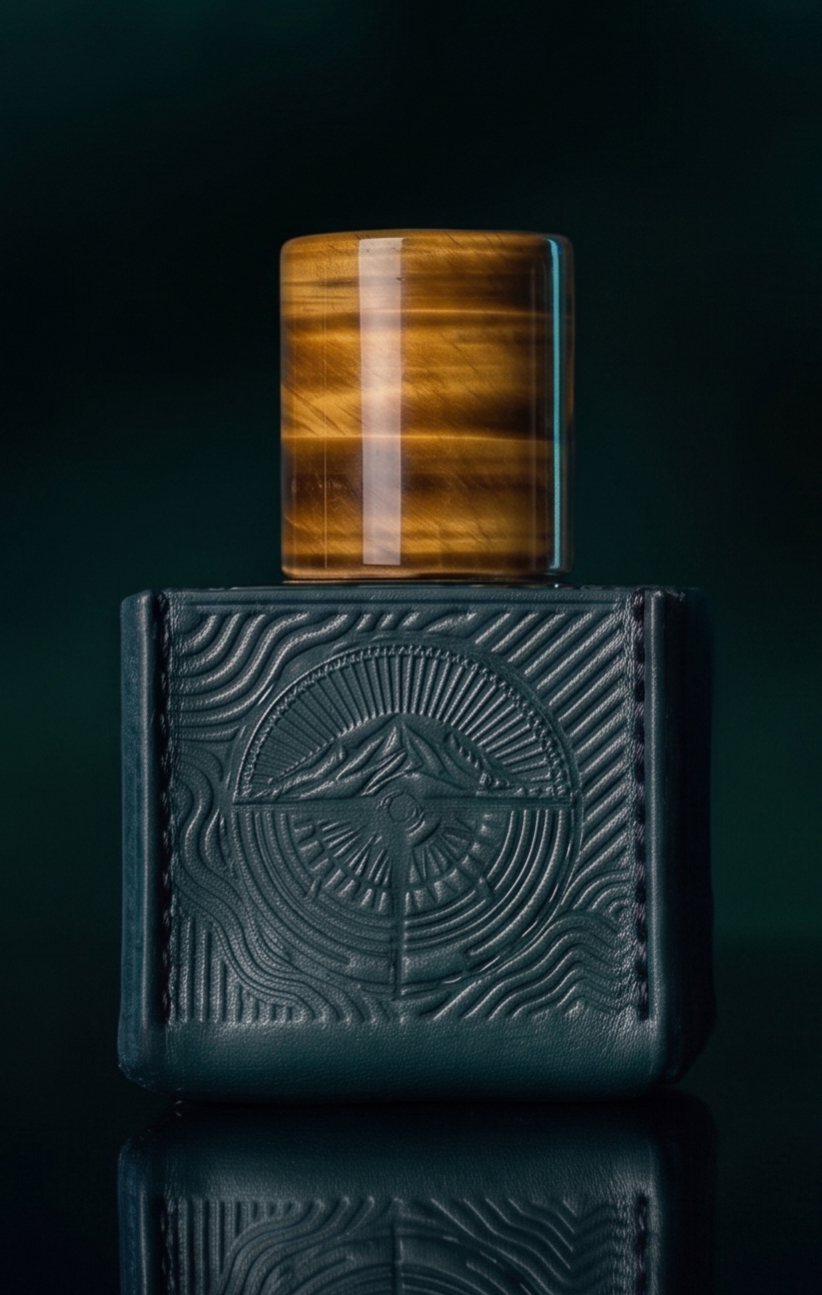
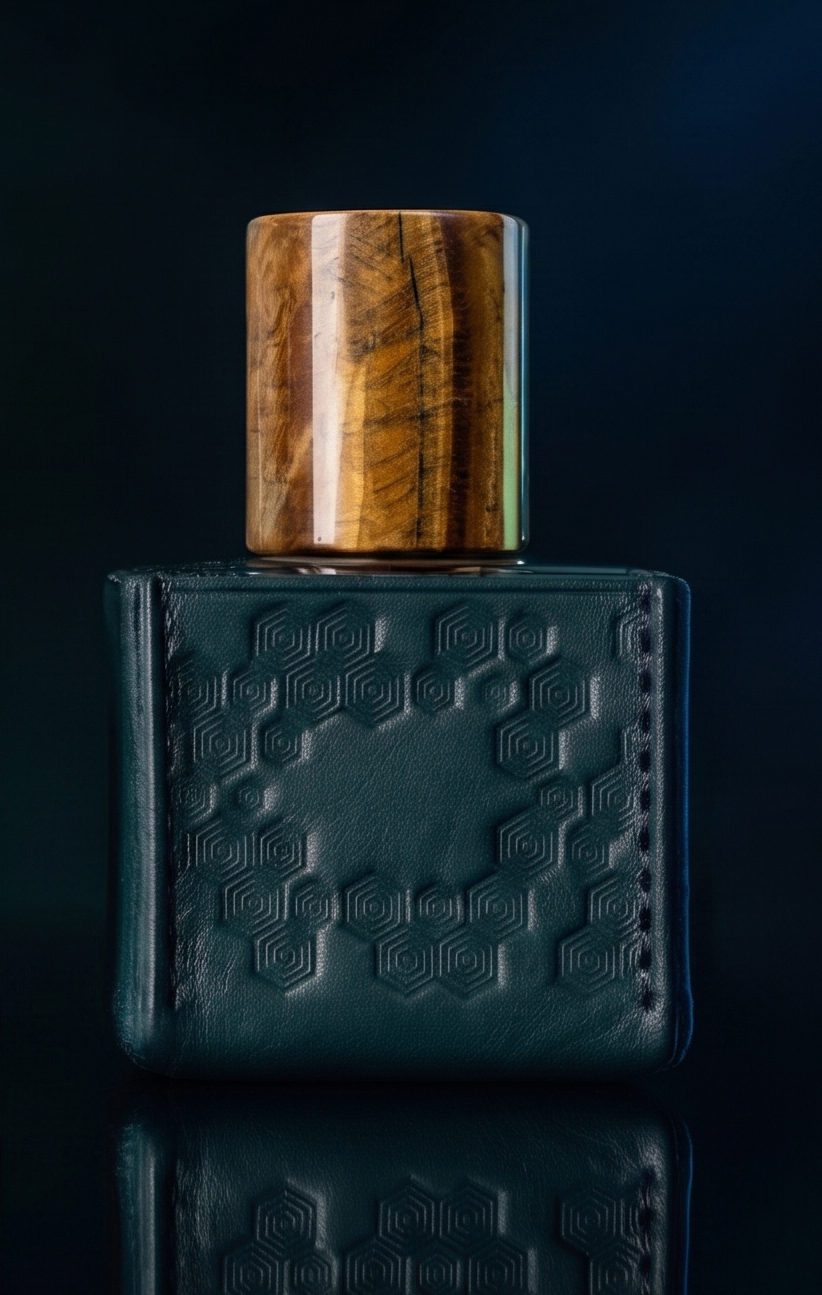
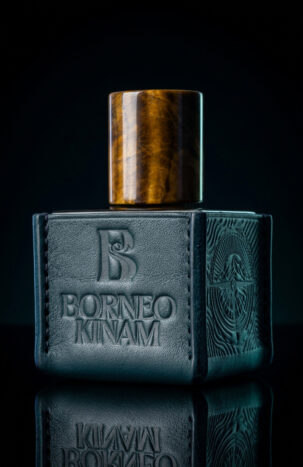
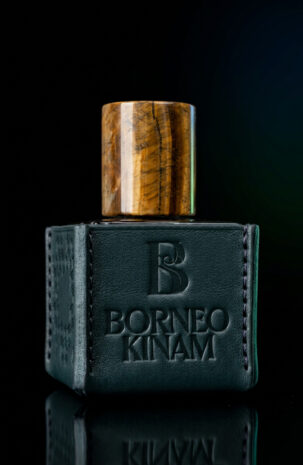
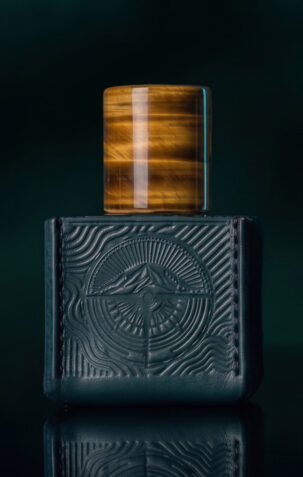
*Features a hand-stitched dark navy leather pouch with a tiger’s-eye stone cap.
Ships by 19 September.
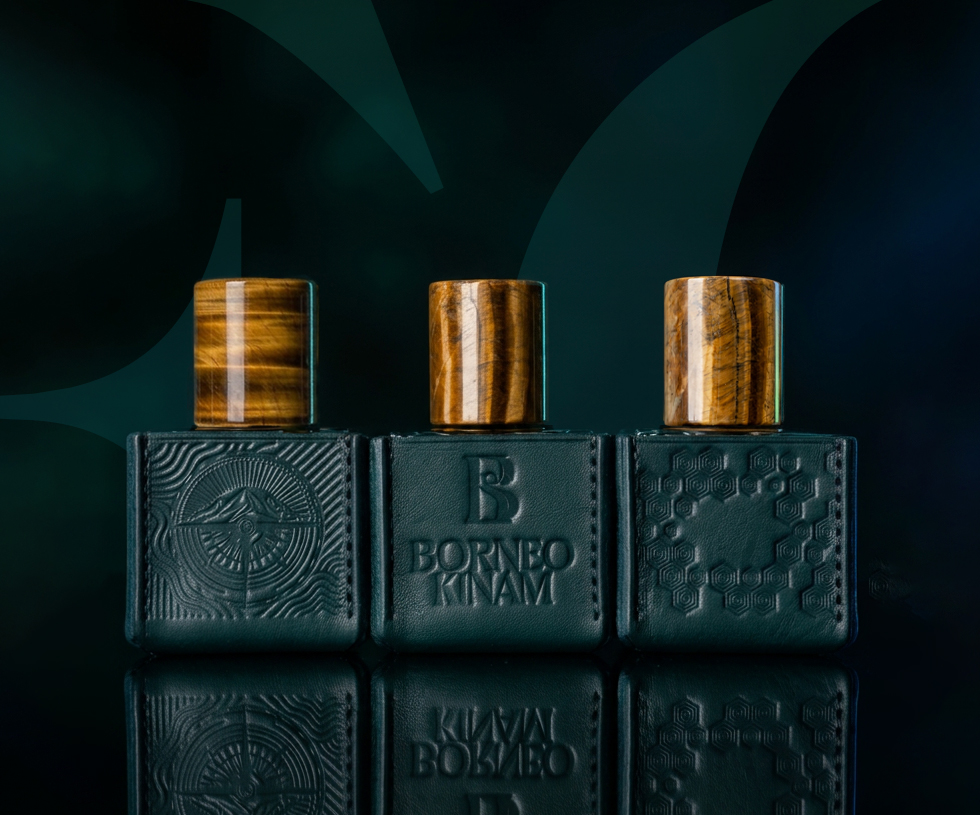
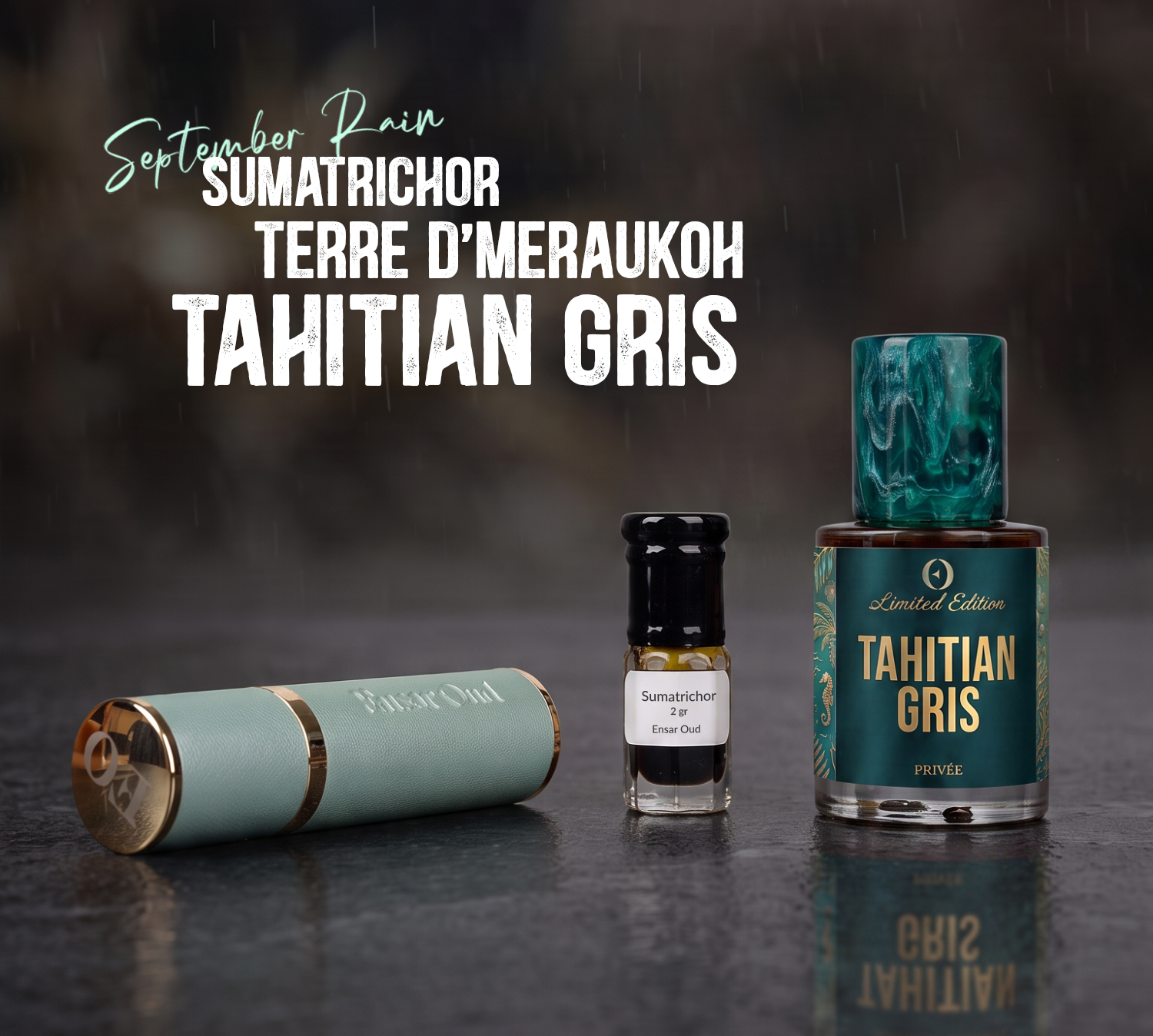
*Your order also qualifies to receive our September Rain trio (they’ll automatically be added to your cart):
Related products
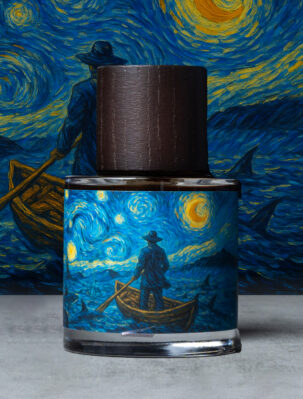
Don Morisco is my alter ego. And this is our ode to oud…
This product has multiple variants. The options may be chosen on the product page
EO Parfums have been quite counter-culture compared to, say, traditional French perfumes. Some may
This product has multiple variants. The options may be chosen on the product page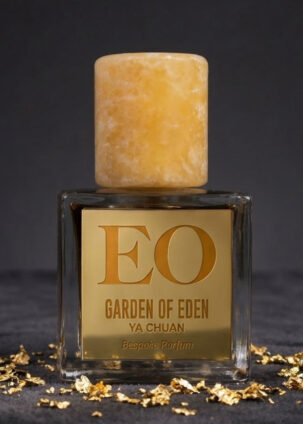
A fragrance dripping in rare oud, drenched in…
This product has multiple variants. The options may be chosen on the product page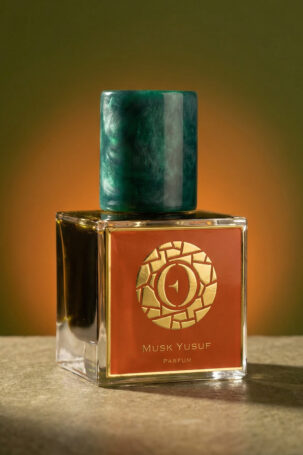
The Abassids could never have done this. The Umayyads couldn’t have dreamed about…
This product has multiple variants. The options may be chosen on the product page