Tán Xiang
$2,899
This is what we are talking about when we talk about…
They Cut Off Hands for This
The Indian government doesn’t protect many things the way it protects sandalwood. Not as a cultural artifact, but a natural resource – classified alongside forest reserves and mineral rights, harvested under state monopoly, the wood itself banned from export. When a government decides an aromatic is too valuable to leave to the market, you pay attention.
This wasn’t a recent decision. In 1792, Tipu Sultan declared sandalwood the Royal Tree of Mysore – and reportedly amputated the hands of those who cut it without permission. The state of Karnataka inherited that control after independence and kept it. For decades, even a sandalwood tree growing naturally on your own private land was owned by the government. You had no rights over it. You were simply responsible for protecting it.
That’s what we are talking about when we talk about Santalum album – the real one.
Oud is young in the perfume world. Sandalwood is not. It was already ancient when the first oud resin was burned in the Arabian Peninsula. It built temples and anointed the dead. It was the scent in the room when empires were decided.
And yet – for all that history – who has composed a sandalwood perfume at the level this fragrant wood deserves? Not with wild Mysore heartwood. Not with supporting aromatics that don’t embarrass it. Not without synthetic scaffolding holding up the whole thing.
The perfume industry moved on without it. Australian Santalum spicatum filled part of the gap – smokier, harsher, a different species entirely. Plantation-grown Santalum album filled more of it – thinner in santalol content, a distant relative of what Mysore’s wild heartwood actually produces. Synthetic santalol molecules filled the rest, sold under the same name on ingredient lists that most buyers never read.
This is not that.
Santalum album from Mysore – wild-harvested, heartwood aged past twenty-five years, alpha-santalol above 90% – is not an ingredient you order. It’s one you’ve either held onto or you don’t have. Most perfumers don’t have it.
Any Perfumer Can Write a Brief
The formula doesn’t need to be complicated. The great Arabic mélanges – ghalias, the royal blends passed down through courts and kept from outsiders – were never complex in structure. They were complex in sourcing. A handful of materials, but each one the finest obtainable version of itself.
That’s the challenge with a sandalwood perfume at this level. Not the formula. Any perfumer can write a brief. The question is what you’re filling it with.
Wild Mysore heartwood, rose otto from the right harvest, the right distillery, not the commodity crop. Musk that isn’t a molecule synthesized in a laboratory. Artisanal, wild-harvested, well-aged oud. Most perfumers cannot access one of these ingredients in the form we mean.
The OG Nobody Knows About
But there’s classic Mysore, and then there’s this…
There’s an oil that almost nobody knows exists. Santal Royale – not the version in the current catalog, but the original distillation. The first batch, done in 2012, before the name became known. Distilled in the same pots, by the same hands, in the same style as the Oriscent ouds. Not in the way sandalwood is typically processed – cold-pressed, steam-extracted, handled gently to preserve the creamy santalol profile. The way Nha Trang was distilled.
The result is a Mysore oil so musky, so deeply red, so alive on your skin that the first time people smell it they reach for another explanation – musk tincture, ambergris concoction, something animalic. It’s not. It’s sandalwood distilled the way nobody else distills sandalwood, from a first batch that has been aging since 2012 and will not be repeated.
That’s the second sandalwood in this composition.
Then there’s the carrier, which in most perfumes is the part nobody talks about because there’s nothing to say. Just a neutral medium designed to stay out of the way. Here, the carrier is its own argument. A sandalwood trifecta: a 50% concentration Mysore super dust tincture from the 1990s; vintage Tanzanian Osyris – wild centennial East African sandalwood – a species so rare, can you name a single perfume that contains it? And Mysore granules from the 1970s and 1980s, sourced before the export controls, before the black market decimated the wild population, before the government monopoly tightened its grip to the point where the wood itself could no longer leave India at all.
The carrier is doing what the main ingredient does in other perfumes.
Borneo 200K
Borneo 50K was named for what the wood cost at the time – fifty thousand dollars per kilogram. That number was already staggering when the oil was distilled. Malinau agarwood from Borneo, incense-grade, the harvest that produces that signature honey-vanilla-resin profile unlike any other oud-producing region on earth.
The prices for incense-grade Malinau harvests have more than quadrupled since then. If Borneo 50K were named today, it would be called Borneo 200K.
That’s the caliber in this composition.
Your bottle contains five grams of Malinau Royal Mélange, which is three ouds from the same terroir – the same jungle floor, the same resin chemistry, the same Malinau honey-vanilla signature – yet each one a distinct facet of it. Borneo 3000’s honey-cinnamon-vanilla – the scent that defined what Malinau could be – is the constant the other two ouds move around. King Super’s treacle-dense, sinking-grade resin flows through the 3000’s raspberry vanilla and compresses the honey into bittersweet molasses. Mantarang cuts through both with its camphoraceous, crystalline incense edge – sharply resinous, the one note in the Mélange that’s cool (and more blue-toned) rather than warm, preventing the sandalwood fusion from collapsing into a single unbroken tone of cream and caramel.
I didn’t choose this trifecta to add darkness, or animalic depth, or the smoky resin twang that Hindi or Cambodian oud would bring. Instead, when I think of the ideal oud match for sandalwood, I think Malinau. What it does – vanilla-rich, honey-drenched, a semi-dry raspberry-cinnamon tone – is extend the sandalwood rather than compete with it. Two vanishing woods from opposite ends of the map, both creamy, both from forests that no longer produce what they once did. Together, they are the obvious match nobody made until now.
Of Course We Didn’t Stop There
This is still an EO perfume. Which means that once every aromatic was in place – the sandalwood oils, the Borneo 200K, the trifecta carrier – the question became what to do with all of it.
The answer was: more.
The supporting cast includes things that have no obvious business in a sandalwood perfume, alongside some that have – pineapple, nutmeg, cocoa butter, milk, mimosa, vanilla, and others besides. Each one chosen not for novelty but for what it does to the aromatics around it.
The pineapple sharpens the Malinau’s fruity resin. Nutmeg introduces a dry spice bite that prevents the accumulated cream of five sandalwoods from merging into a single undifferentiated wall of sweetness. Cocoa butter and milk turbocharge the creaminess inherent in sandalwood. Mimosa lifts without lightening. Vanilla, at this concentration and against this much aged sandalwood, doesn’t sweeten, but amplifies the profile, turning the Borneo’s golden-honey darker and the Mysore’s cream richer.
What you smell in the opening is the Santal Royale OG doing its thing – alive, musky, deeper and redder than sandalwood has any right to be. What follows is the Mysore oozing into every crevice – creamy and tranquil, the scent that built zendos and anointed emperors. The Malinau flows parallel to it, honey and vanilla resin moving alongside the sandalwood’s creaminess rather than pulling the composition toward full-on oud territory. And underneath all of it, the trifecta carrier releases slowly, the 1970s and 1980s granules doing what no modern distillation can replicate, admixed with that commercially extinct osyris which smells rougher, drier, with a bitter resinous edge that the Mysore heartwood never had and keeps the base from becoming a single unbroken wall of cream.
This is sandalwood before the market got to it – raw, tenacious, oozing from wood that kings protected with their edicts and executioners. Whatever sandalwood you’ve smelled before, this is the destination it never quite reached.
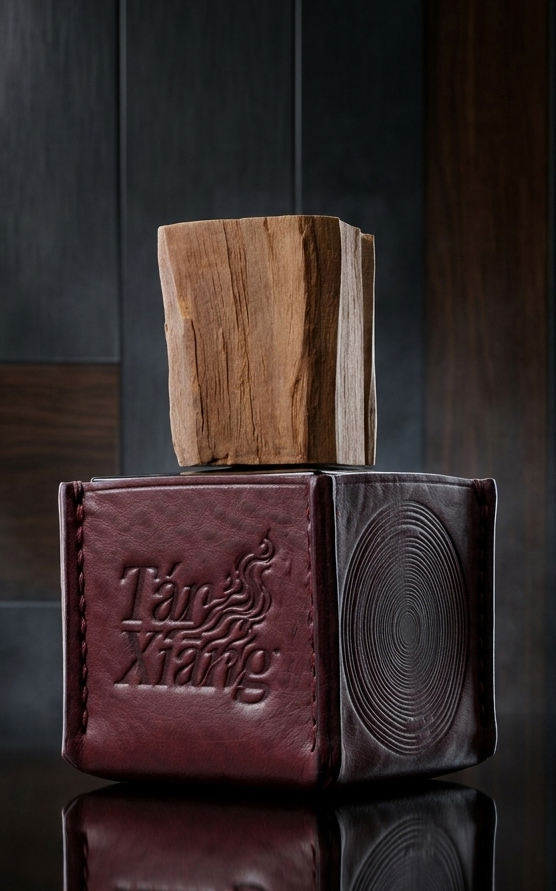
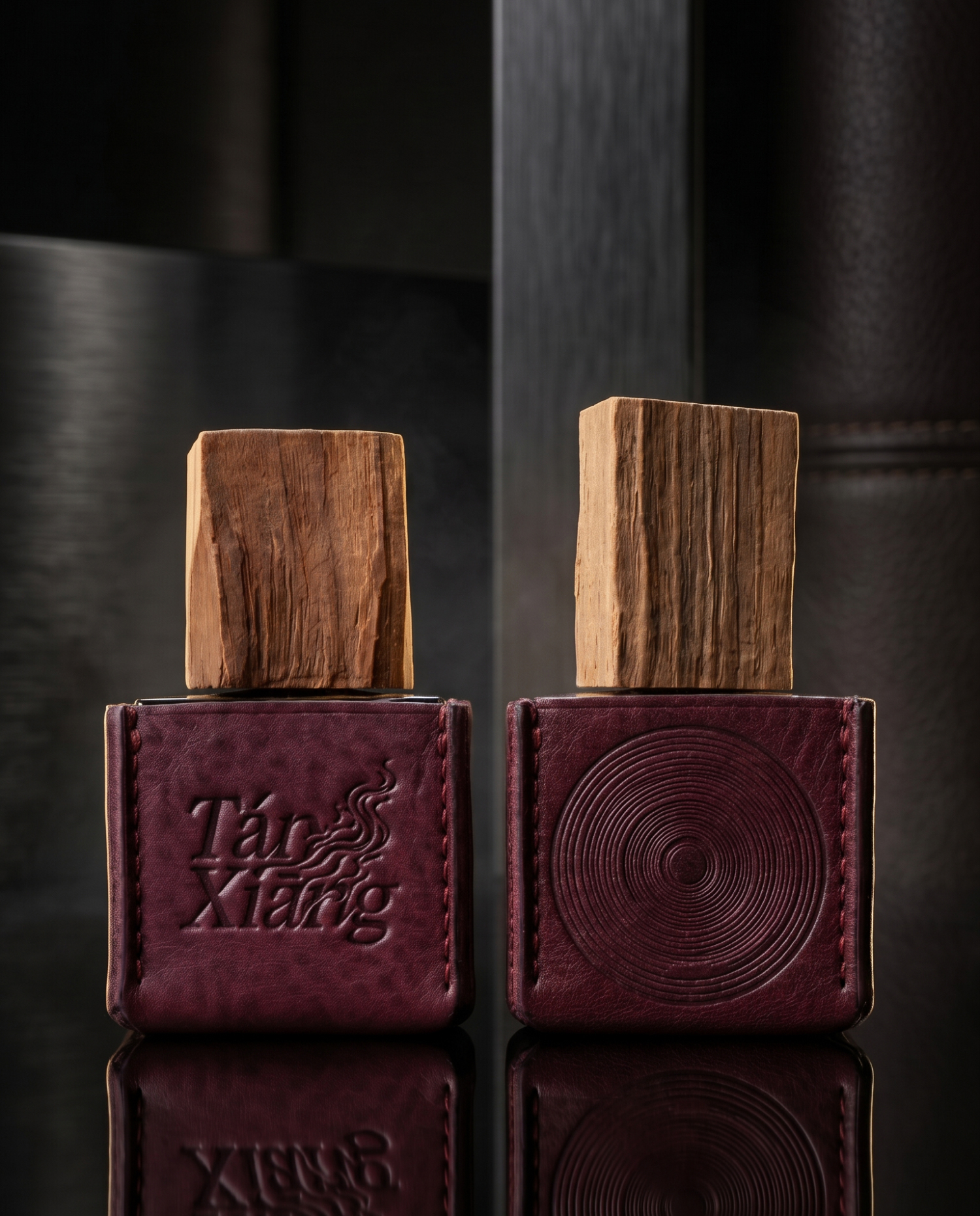
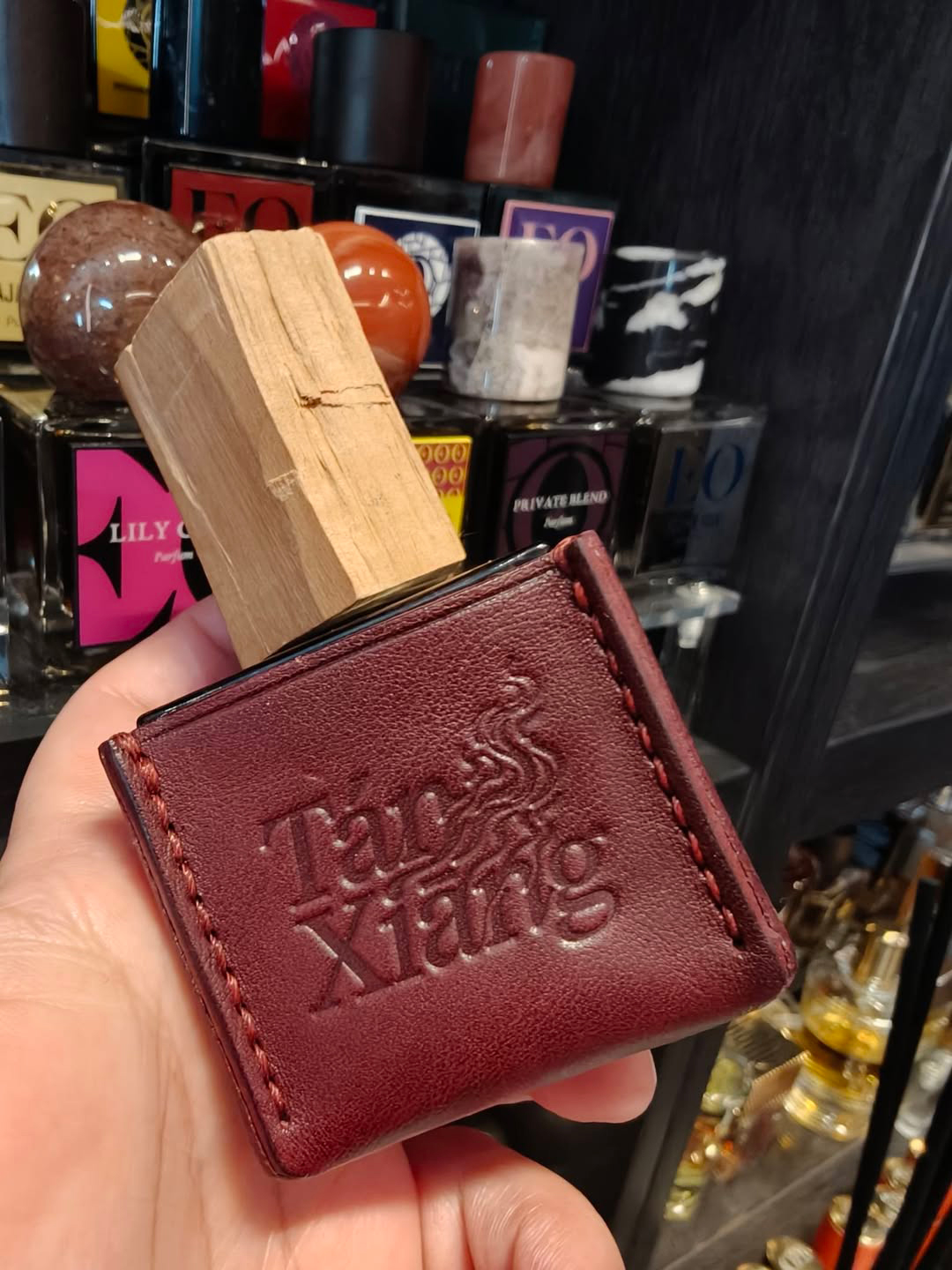
*Features a genuine raw sandalwood cap and hand-stitched full-grain leather pouch.
*Each bottle contains actual 80s Mysore granules.
Reviews of Tan Xiang…
I don’t know how I even hesitated to get the Tan Xiang!
It’s so calming and grounding. I wore it to work today, and my CEO walked into my office and asked how come my room smelled so nice!
Related products
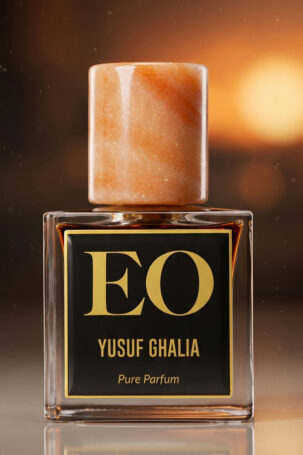
When the final batch of Oud Yusuf was distilled, we had to make a decision. Preserve the oil as-is, or…
This product has multiple variants. The options may be chosen on the product page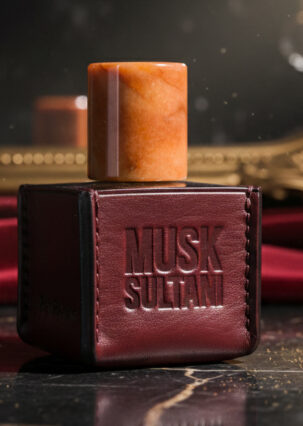
To reinforce the musky roar thickened with Pusat’s kinamic rouge…
This product has multiple variants. The options may be chosen on the product page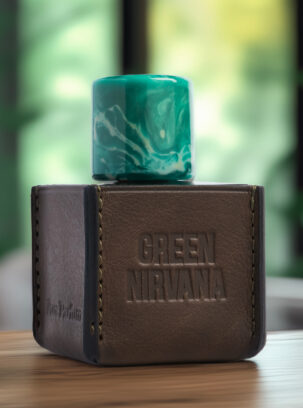
If you’re looking for cucumber mist or tropical fabric softener, you’re in the wrong place…
This product has multiple variants. The options may be chosen on the product page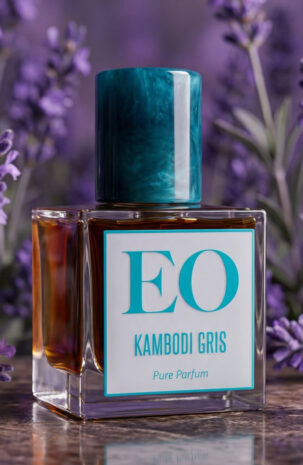
If fougères or fresh barbershop styles are part of your rotation, this…
This product has multiple variants. The options may be chosen on the product page