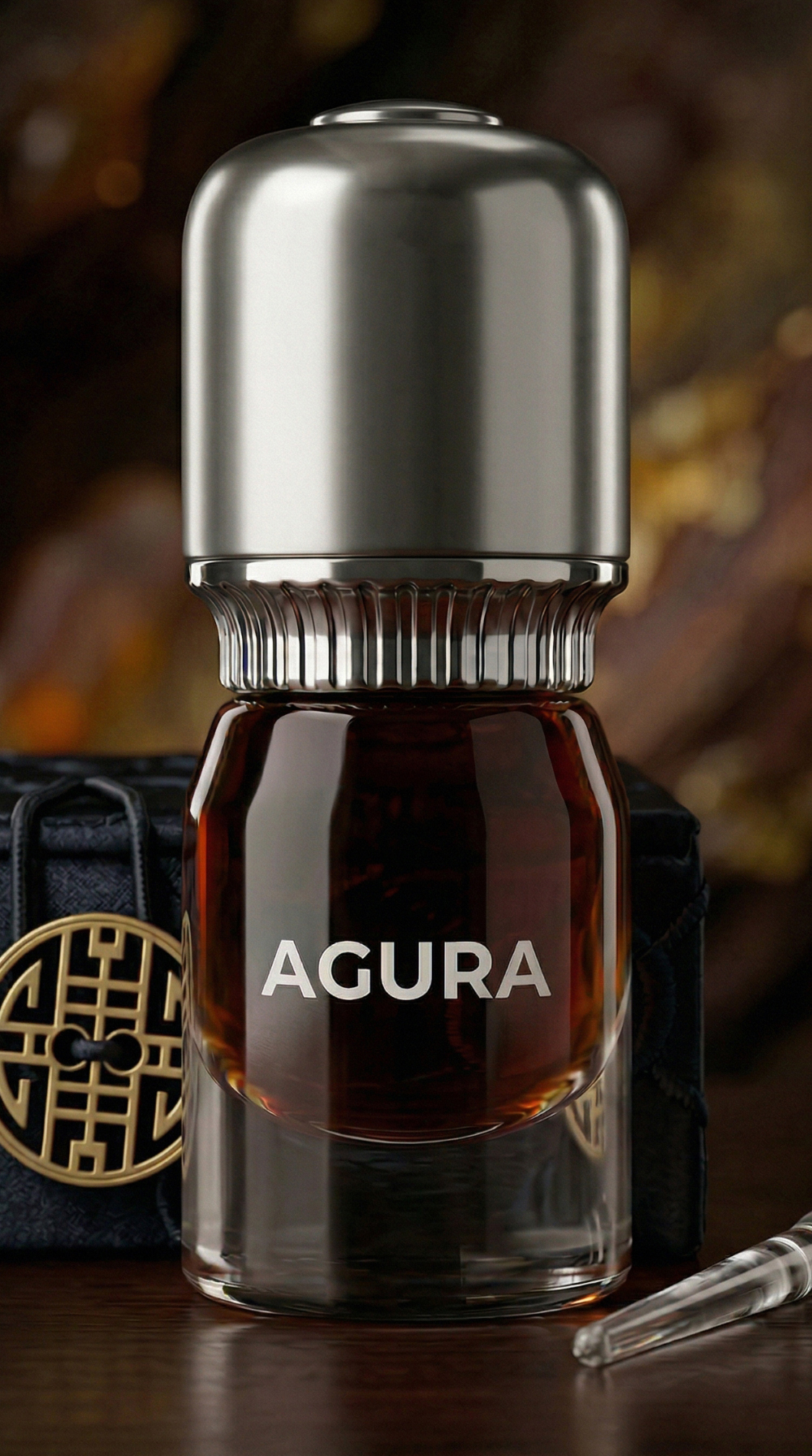
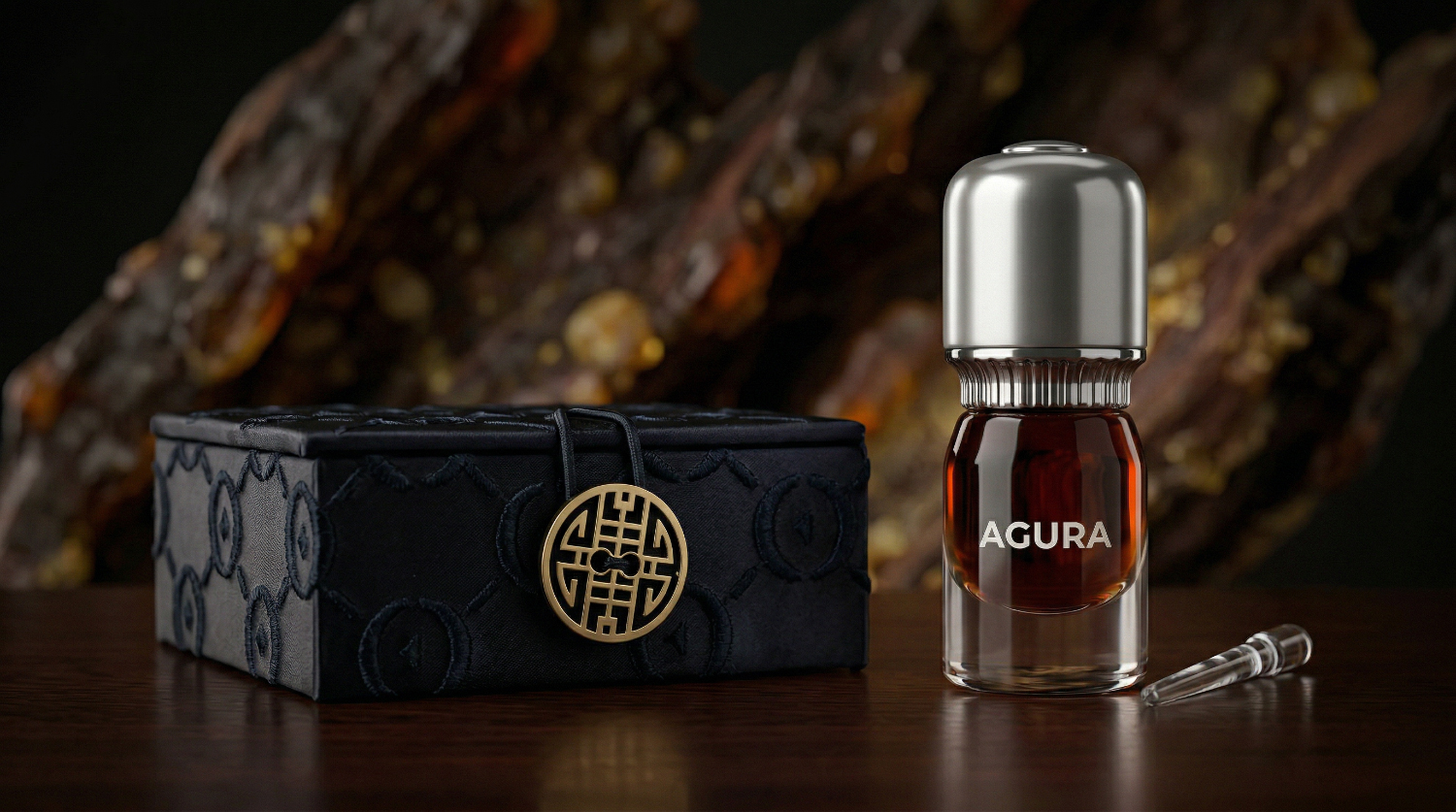
Agura
$595
The Cambodia that was always there, waiting for someone obsessed enough to find it.…
Let’s be honest about Cambodian oud.
Somewhere in Phnom Penh right now, someone is filling bottles with Cambodian oud and labeling them with words like “premium” and “wild”.
The jungle that produced what those words were originally meant to describe is hours away – and those trees are older, fewer, and harder to find every time we go back. The oud they produce doesn’t smell like what’s in those bottles. It doesn’t smell like anything the market has been calling Cambodian oud for years.
We’ve been going back to find those trees for twenty years…
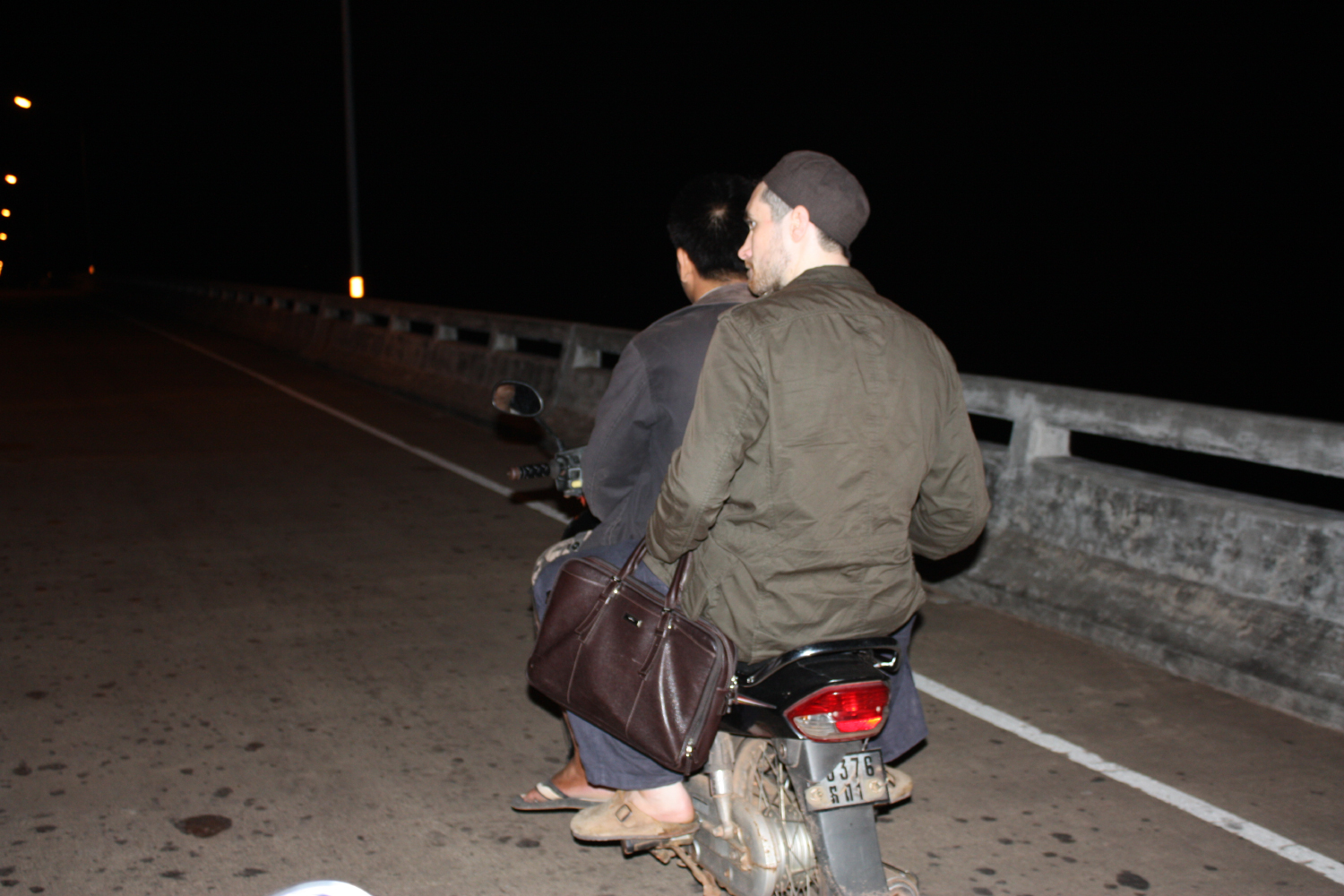
Ensar, crossing Koh Kong bridge. Past midnight, 2010.
Back then, we flew to Cambodia on one-way tickets. No plan B. The jungles there had produced some of the most extraordinary agarwood oils ever distilled — but young trees stripped before their time gave birth to profiles so predictably fruity they’ve become a cliché, an entire category running on fumes of a legacy it stopped earning years ago. You’ve smelled enough Cambodis to know.
It took six years before we released anything worth putting our name on – because the standard we’d set for ourselves hadn’t been met yet, and Cambodia’s crassnas, we were certain, still had it in them.
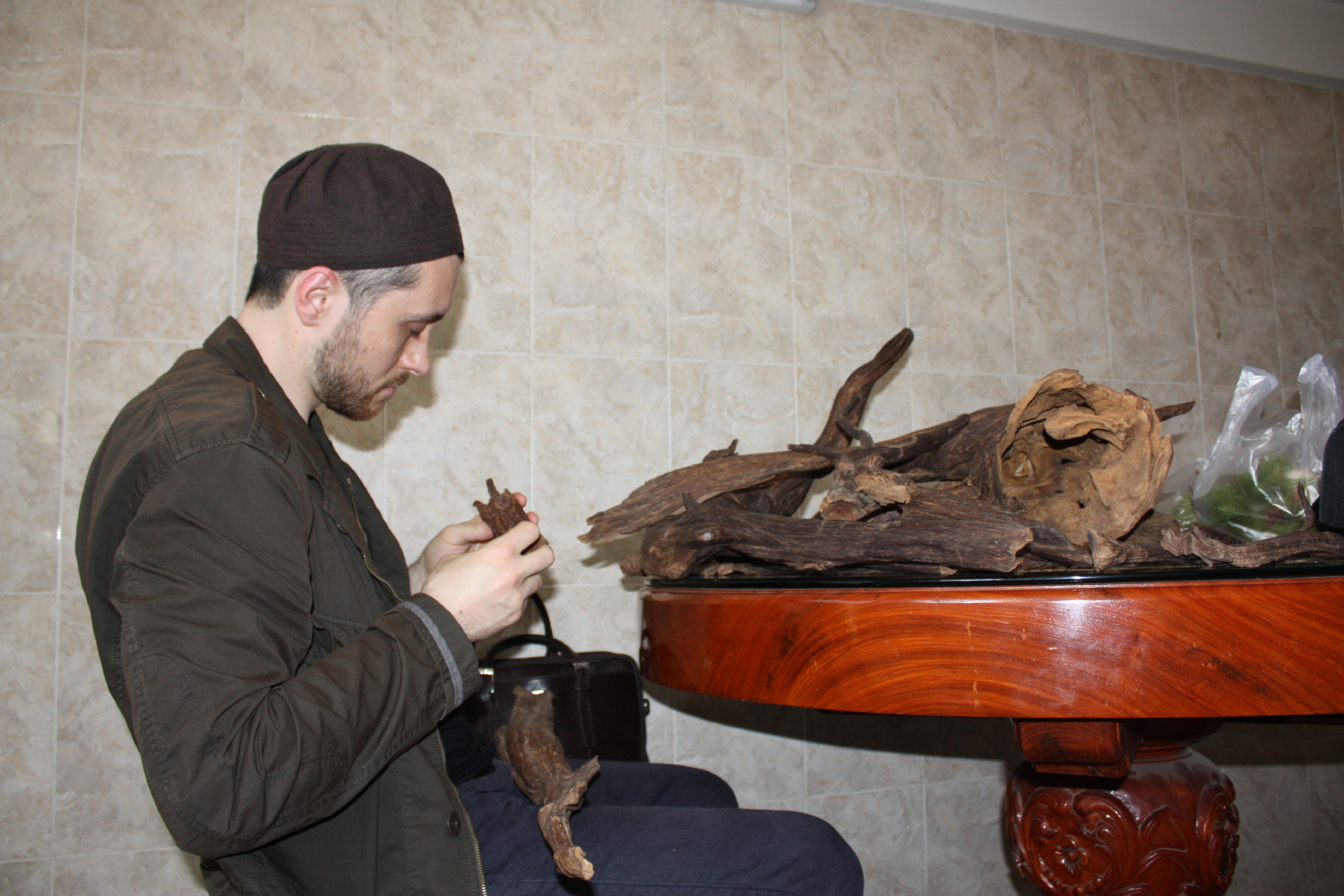
We’ve lost count of the trips back. Deeper into those dense jungles each time, further from anything resembling a road, chasing harvests from trees that get harder to find with every season. The same conviction driving every trip: that what’s been coming out of Cambodia lately isn’t the whole story – that this isn’t all the country has left to give.
It wasn’t. We knew it. We just needed the right tools to reach it.
So we built them – a distillery conceived from scratch, designed around two decades of accumulated frustration and hard-won knowledge. Every distillation we’d ever run in Cambodia had taught us something. The temperatures we’d run too high, the water ratios we’d misjudged, the middle distillate fractions we’d been blending away instead of isolating – we built around all of it.
We wanted to reach the agar core of the crassnas rather than extract the auxiliary, surface-level fruity notes most Cambodian distillations stop at. What came out isn’t the pleasant, ‘approachable’ jamminess you’ve come to expect – but a dense, smoky incense character with a subtle touch of petrichor, moist earth, and raw resin compressed together over decades. There’s a coolness to it, almost medicinal, which veers toward Vietnamese profiles – but there’s nothing Vietnamese about it either.
That familiar Cambodian fruitiness is still there, but now pinned beneath a slow-burning, zendo-incense cloud that you’ll find yourself coming back to. Hours in, what remains on your skin is the smell of wild crassnas that have been doing nothing but deepening for decades in those thick jungles.
Agura. Two decades in the making.
Related products
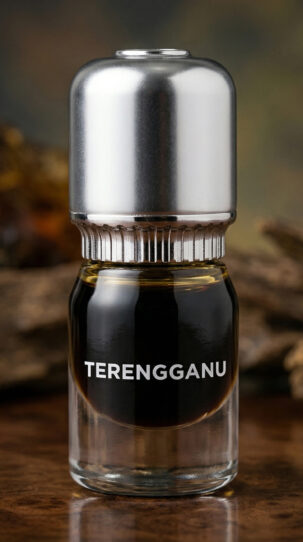
You could offer ten times the price and the jungle would laugh at you…
This product has multiple variants. The options may be chosen on the product page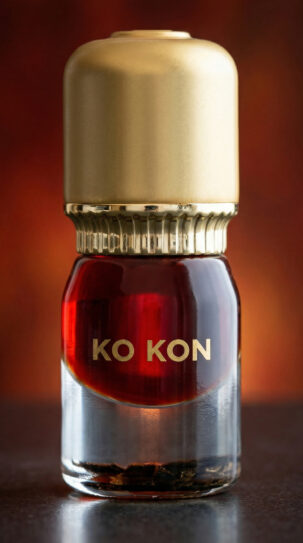
Distilling Ko Kon was extremely labor intensive, took months on end, and cost us…
This product has multiple variants. The options may be chosen on the product page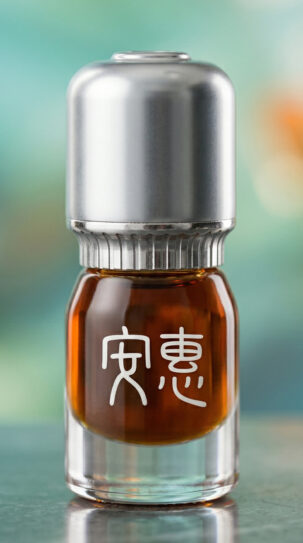
Wearing tech goggles when you study oud has its place and its perks. But…
This product has multiple variants. The options may be chosen on the product page
This is one of those ouds that’s so rich and layered it could take you…
This product has multiple variants. The options may be chosen on the product page