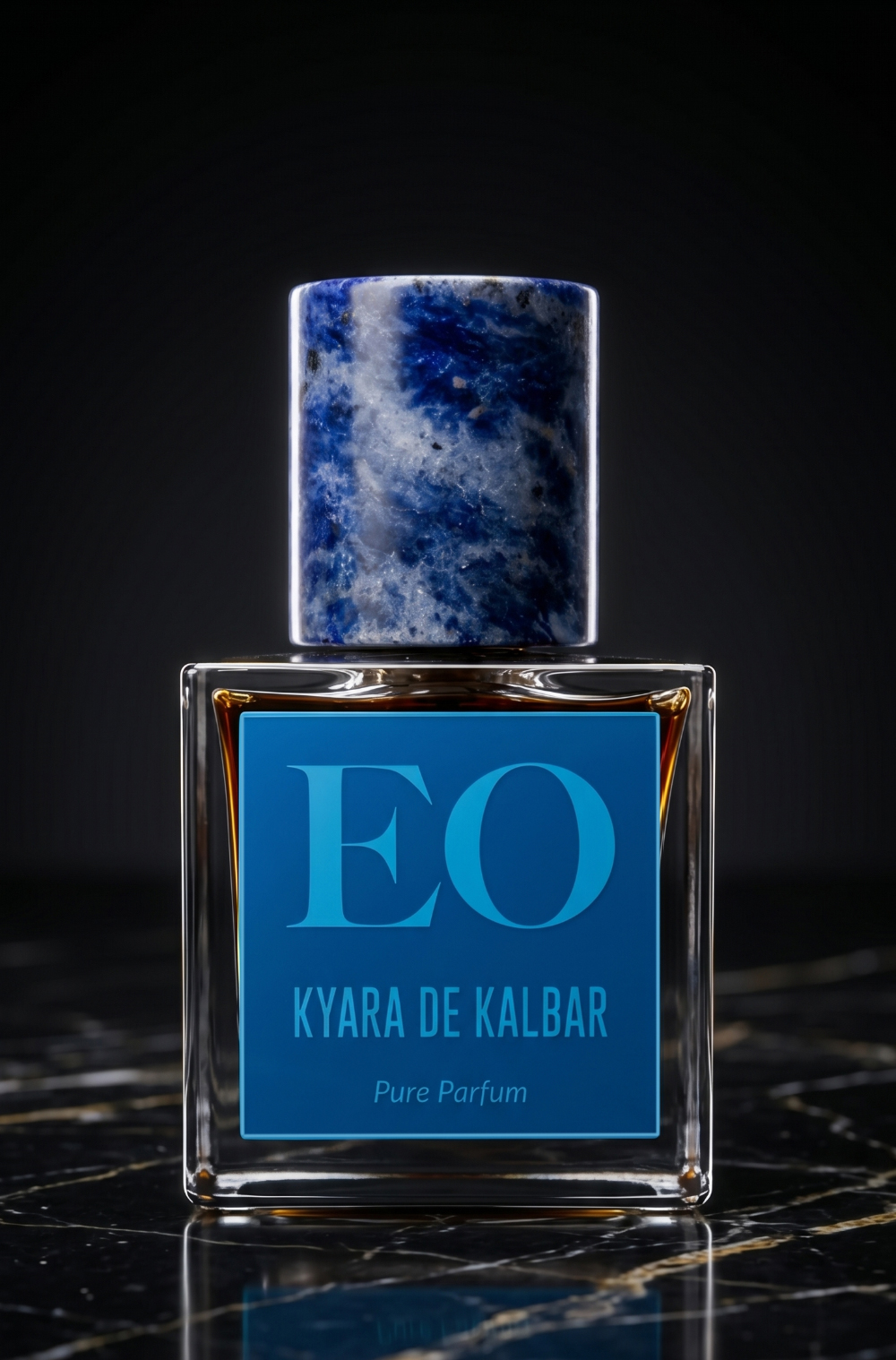
Kyara de Kalbar
Price range: $795 through $5,000
Currently unavailable.
There comes a point, once you’ve spent enough time with oud, where the way you smell changes.
You stop overthinking regions and taxonomies. You stop weighing cumingiana against malaccensis. What you begin to notice instead are colors – not metaphorical ones, but real tonal shifts that only appear when the agarwood is exceptionally resin-dense.
And on the rarest occasions, something stranger still: when the roots fed on oil-rich earth, and its resinous veins seem ready to pulse blue.
This perfume continues the lineage of releases like White Kinam, Oud Sultani, and Kinam Rouge – perfumes composed around a legendary artisanal oud, where everything else exists to frame it. The point is the oud.
Among distillers and collectors, Kyara de Kalbar is my calling card. It’s the oil I reach for when I want to set the tone – when I want someone to understand, instantly, the level we’re working at. It’s the kind of oud that silences even experienced noses. People smell it, pause, and simply nod. There’s nothing to argue with.
I remember the moment our kyara master finished it: Kyara carving dust warming gently on his low-heat burner, green kyara powder dissolving under my tongue, and this oil in my hands. Before a drop even touched your skin, you could sense it was different.
Its profile is beautifully, subtly layered – orris, wild fig, blackcurrant, persimmon – carried on a fine, powdery current drifting through deep Bruneian resin. Raspberry and dark grape flicker in and out. Jasmine appears briefly, then recedes. Every so often, a cool minty glint cuts through – clear, unmistakable kyara – before dissolving back into the flow.
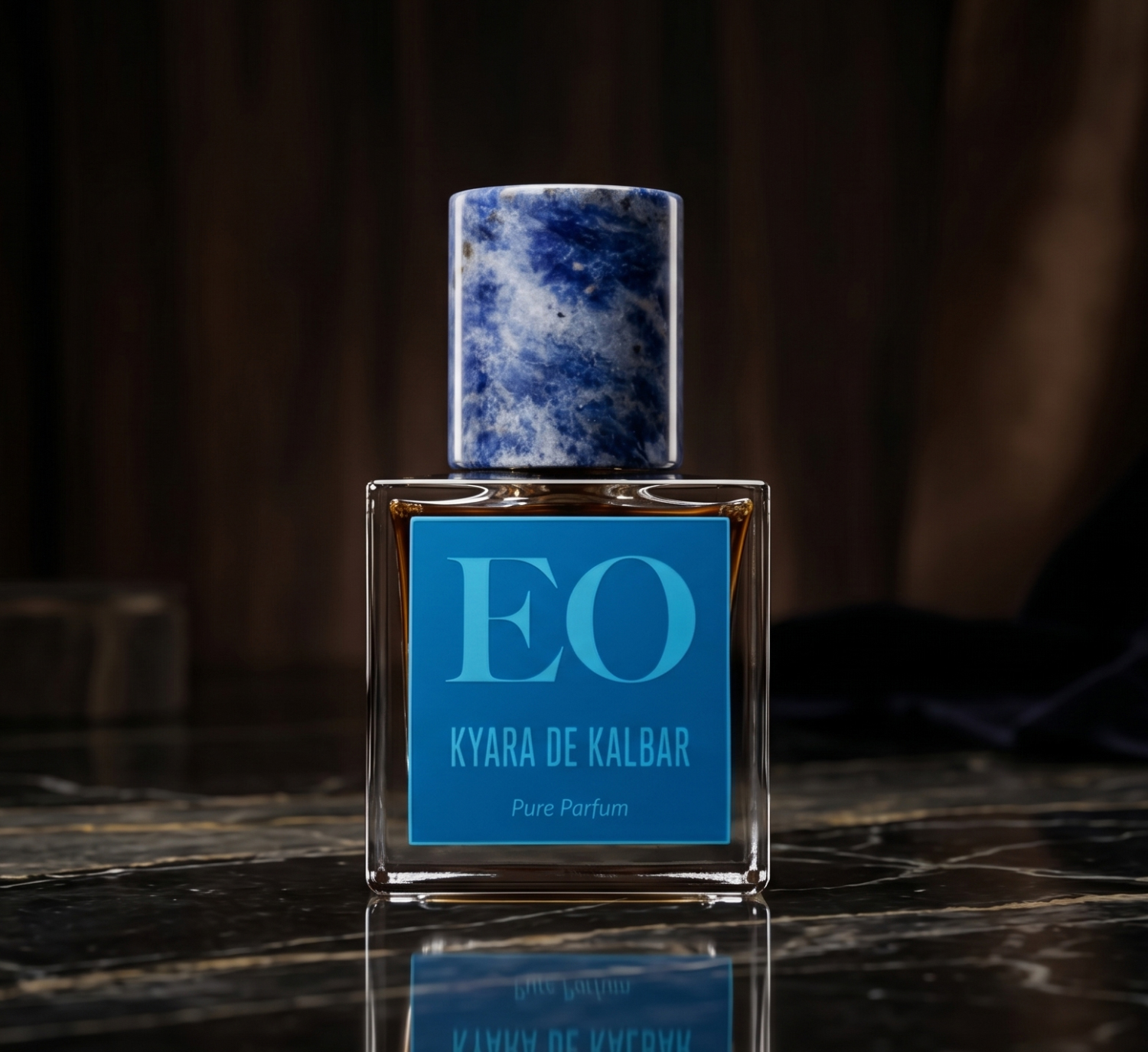
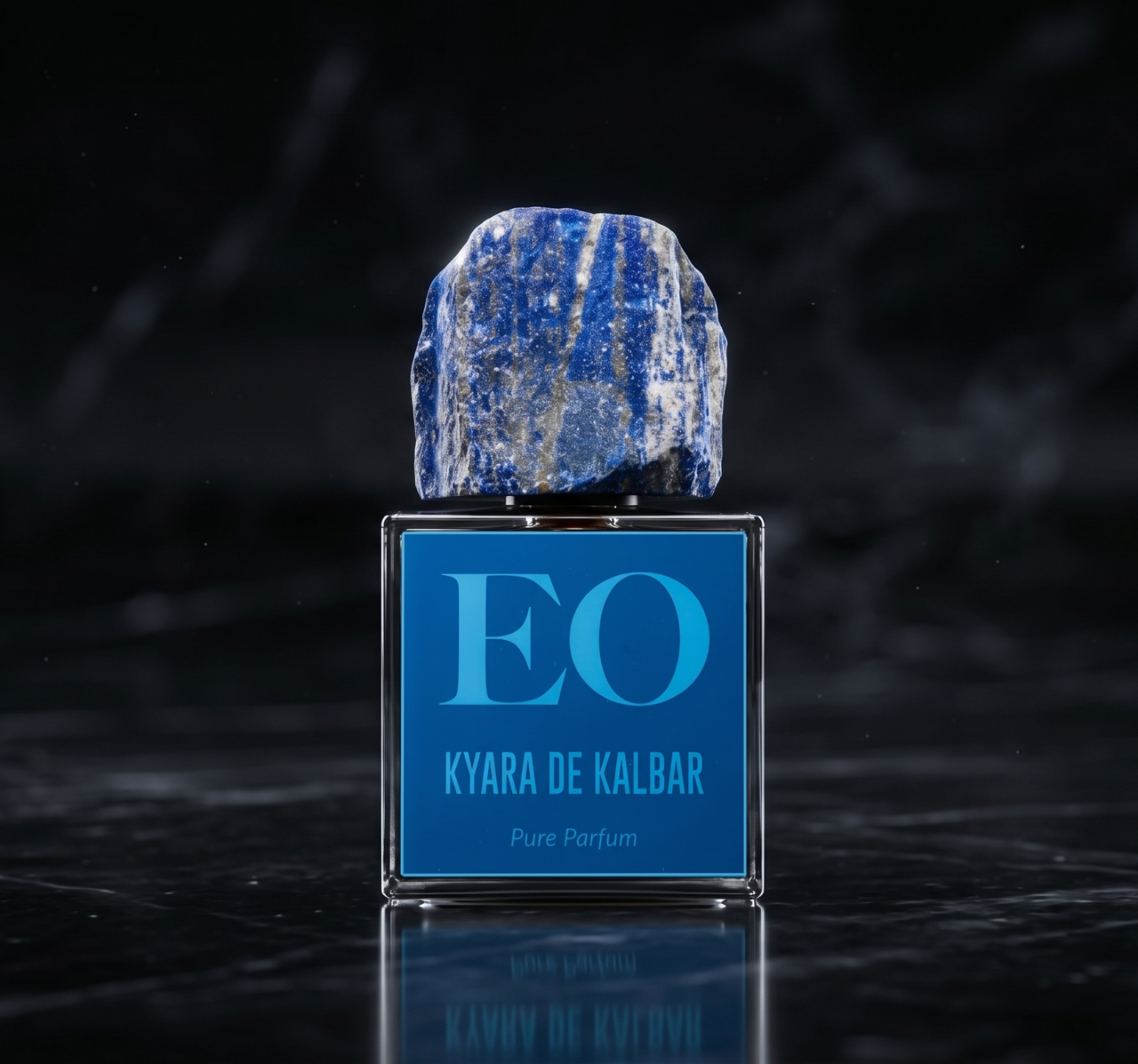
All drenched in blue.
Distilled from Brunei kynam shavings, this is as faithful a portrait as you can capture of Bruneian agarwood of the highest order. And it bears repeating: true Brunei kyara is rarer than Vietnamese kyara. That fact alone places this distillation in extremely thin air.
This “blue” quality comes from the way the resin behaves. Kyara de Kalbar showcases a stunning aquatic-yet-deep-jungle tone: moist forest air, soaked petrichor soil, fresh-cut agarwood that’s still wet… held under sunshine, with that blue berried madness wafting all around.
This oil also reflects a broader evolution in the kyara world. While the Japanese school long insisted kyara could only come from Vietnam, Chinese kyara sifus have demonstrated otherwise, identifying true kyara-grade agarwood in Brunei, Cambodia, Hainan, Laos, and beyond.
Executing the composition so that it not only pays tribute to the legendary oud but actually incorporates it – that was the challenge.
To do that, the composition doesn’t just feature Kyara de Kalbar – it surrounds it with fantastic aromatics that extend its natural profile to give you its blue Bruneian bliss in spray form.
Where Kinam Rouge’s profile is red, White Kinam… white, Kyara de Kalbar captures Brunei’s beautiful blue.
But, as you might have experienced with White Kinam and Oud Sultani, the point isn’t to simply produce an oud soliflore. You want a fragrance that showcases the oud at its core, yet also accentuates notes inherent to the oud to give it dimension.
That means decorating the core oud in ways that let its natural facets surface – sometimes with florals or resins, and sometimes by pairing it with more ouds that echo and extend its profile.
So, not only does the perfume actually contain Kyara de Kalbar, it also contains a vintage sinking-grade Kelantan distillation (which has its own bluefying effect on certain aromatics), King Super’s stunning ethereal, almost oceanic blue pollen, as well as the same sinking-grade Terengganu that went into Oud Sultani.
No other perfumes in the world contain any of these, not to mention all of them.
The profile has a faint bitter edge typical of high-grade kyara. No smokiness. Dark fruit nuances appear briefly – fig skin, currants and grape – adding body to the resin without turning it jammy. Blue lotus adds a fine, creamy effect that softens the oud’s edges and also plays on its signature kinamic bite.
And as with White Kinam, while the supporting notes add dimension, the kinamic aura of Kyara de Kalbar ultimately eclipses everything else.
Smell it.
Reviews of Kyara de Kalbar:
Nuclear Blue
Here it is: my first blue Ensar.
The very first tiny spray from the bottle still comes across as a sweet-fresh crowd-pleaser. The initial impression fits… somehow… but is something this tame really still Ensar?
Then three bold sprays follow — one on each pulse point and one on the lower neck/chest. Holy COW!!!
The first volatile fumes rise instantly, a pronounced Kyara bitterness bites and leaves a distinct numbness on tongue and palate. Almost dazed, I find myself moving through a cool-exotic, purple-berry, sweet, aquatic-fresh cloud of brutal projection — fruity, yet not aggressively currant-funky. Or is it? Hard to tell — my head is spinning. Holy sh*t…
After about an hour — tongue and palate still bitter, the wearer still slightly intoxicated — the composition begins to unfold more slowly and velvety. Iris emerges: first diffuse, then increasingly defined, until it blooms sharply contoured and powdery over balsamic woods that enter with a slight delay, everything still framed by the fruity-blue top notes.
The honey-colored transparency of the juice shown in the promotional images is misleading. In reality, the liquid is dark green-blue, absorbing so much light that it appears almost tar-black. Kyara shavings from the early batches are present, though only visible under strong photon incidence.
In my opinion, it isn’t perfectly rounded yet — but the potential to mature into that is clearly there. And even now, it already feels almost like a drug.
Definitely Ensar. Definitely oud.
What a beast.
Serious advice: dose with caution.
Related products
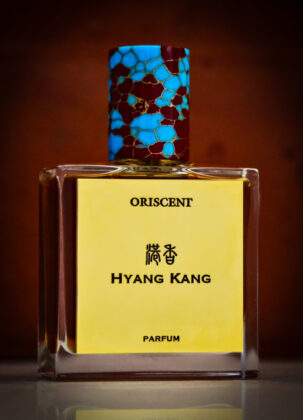
Picture the sharp tang of freshly cracked mandarin peel, sprayed into a swirling mist of wild Hong Kong agarwood…
This product has multiple variants. The options may be chosen on the product page
This perfume goes out to you, my fellow fraghead…
This product has multiple variants. The options may be chosen on the product page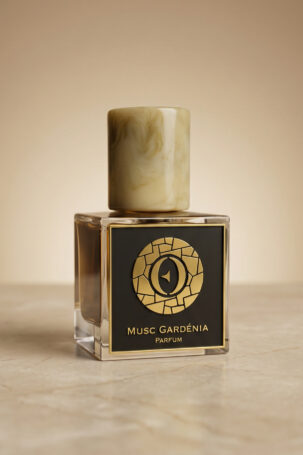
EO Parfums have been quite counter-culture compared to, say, traditional French perfumes. Some may
This product has multiple variants. The options may be chosen on the product page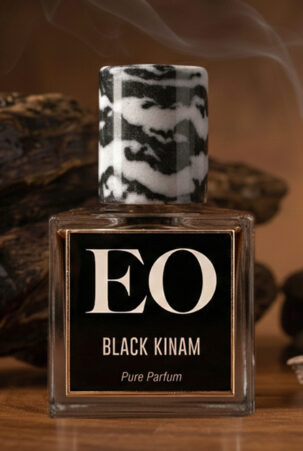
Imagine the signature less-sour, more-saccharine profile of black kinam oozing out of…
This product has multiple variants. The options may be chosen on the product page