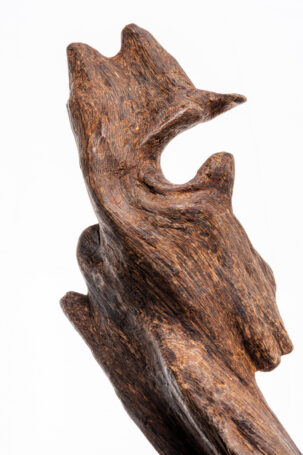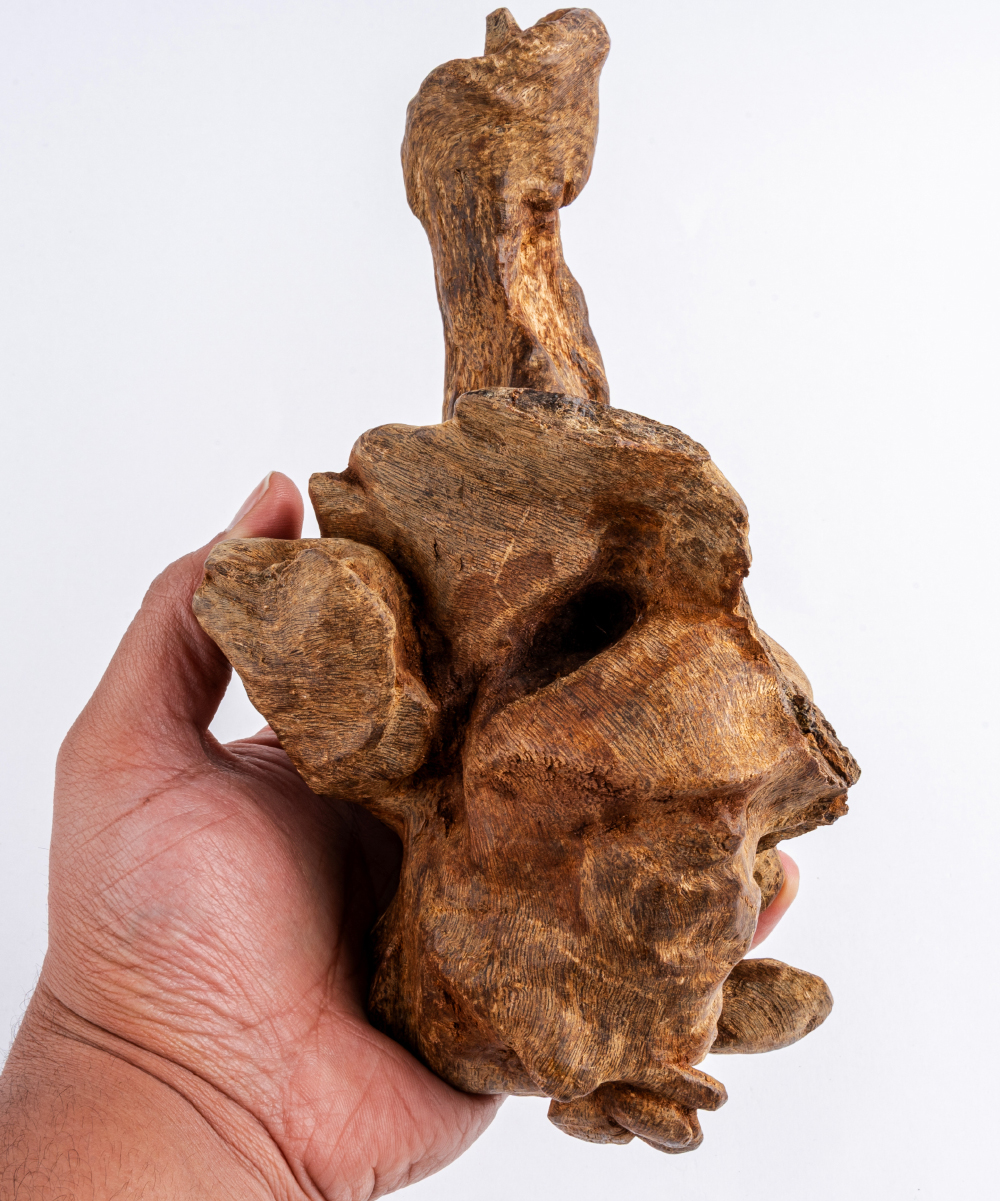
Hainan White Kinam
±630 grams. Enquire for further details…
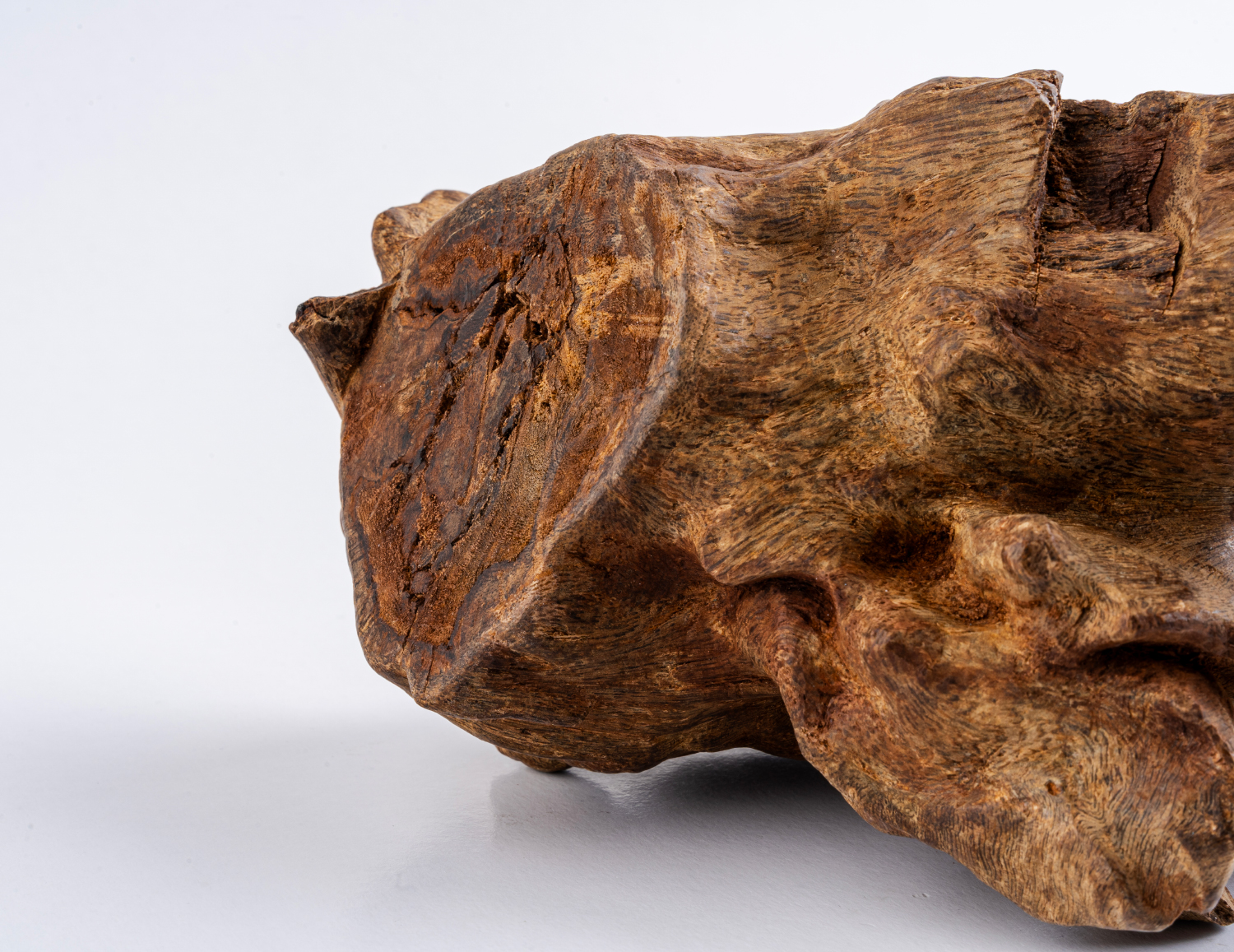
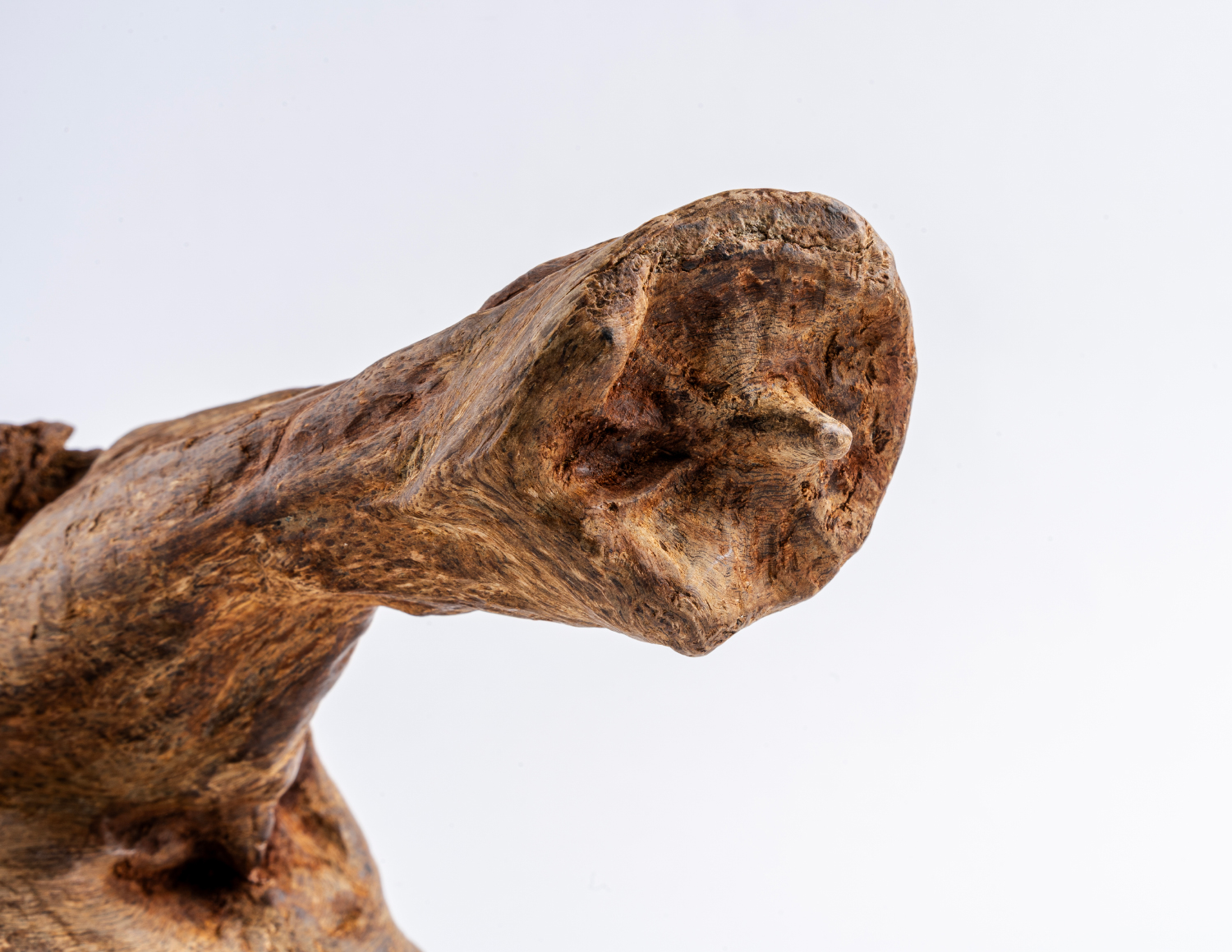
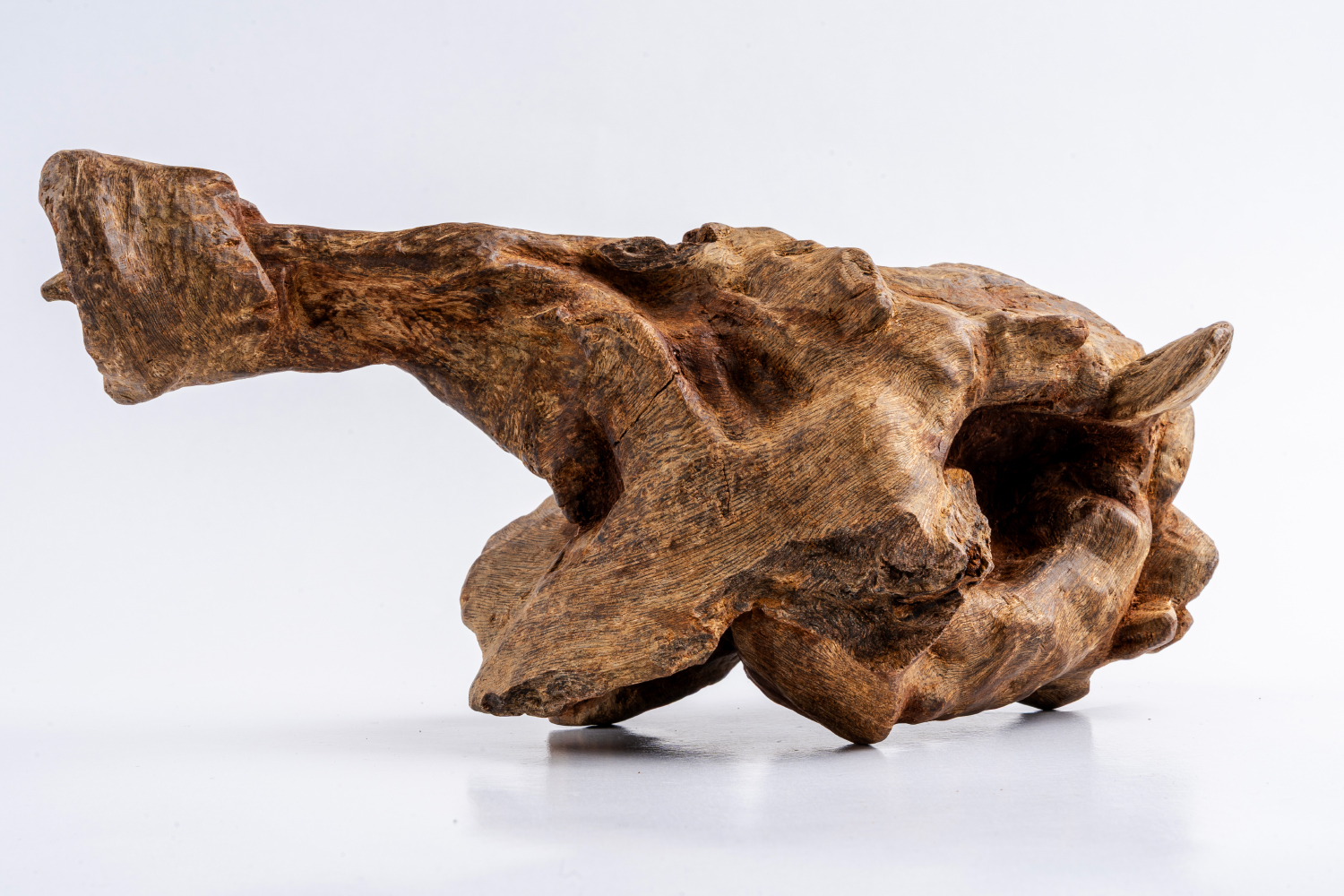
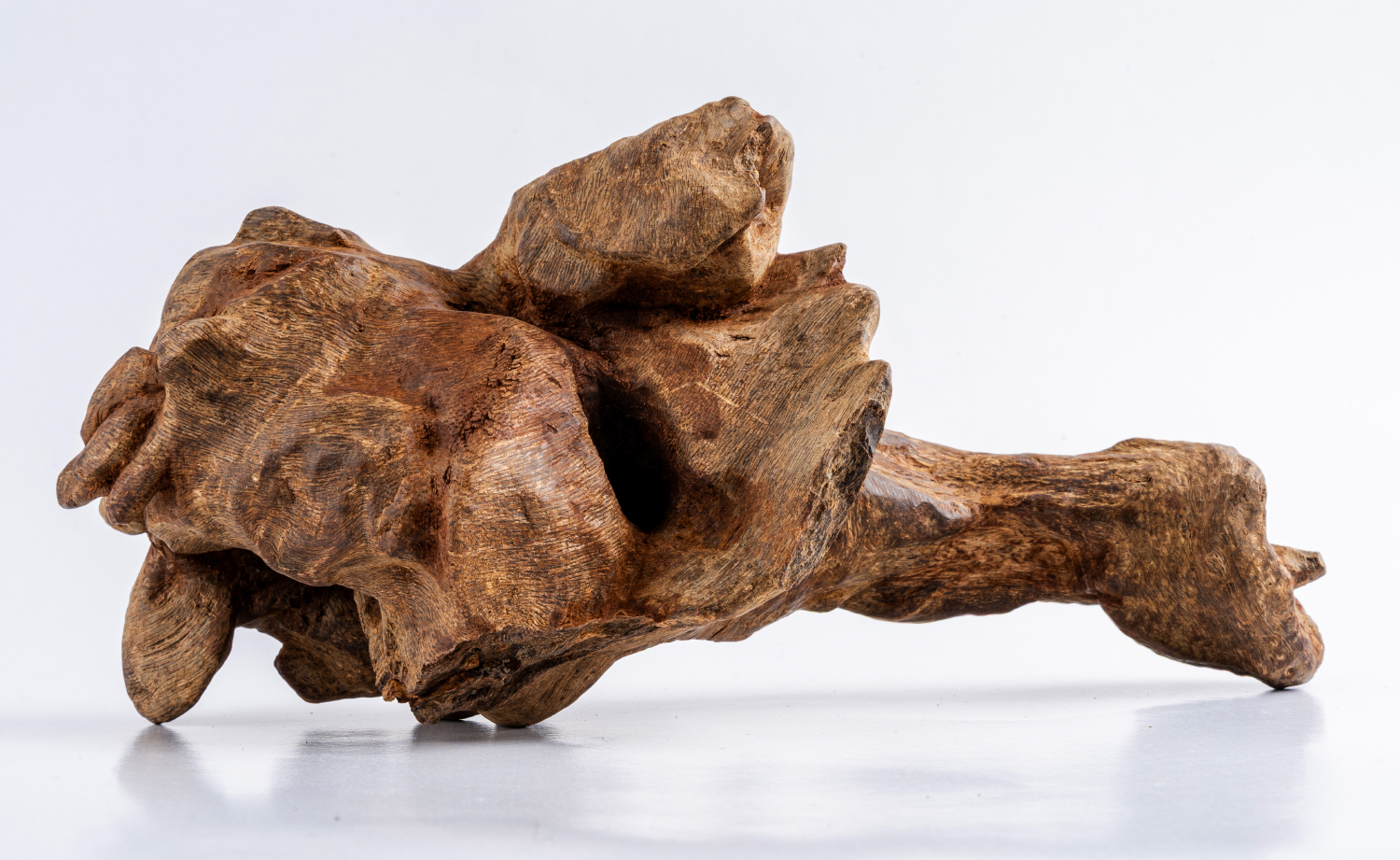
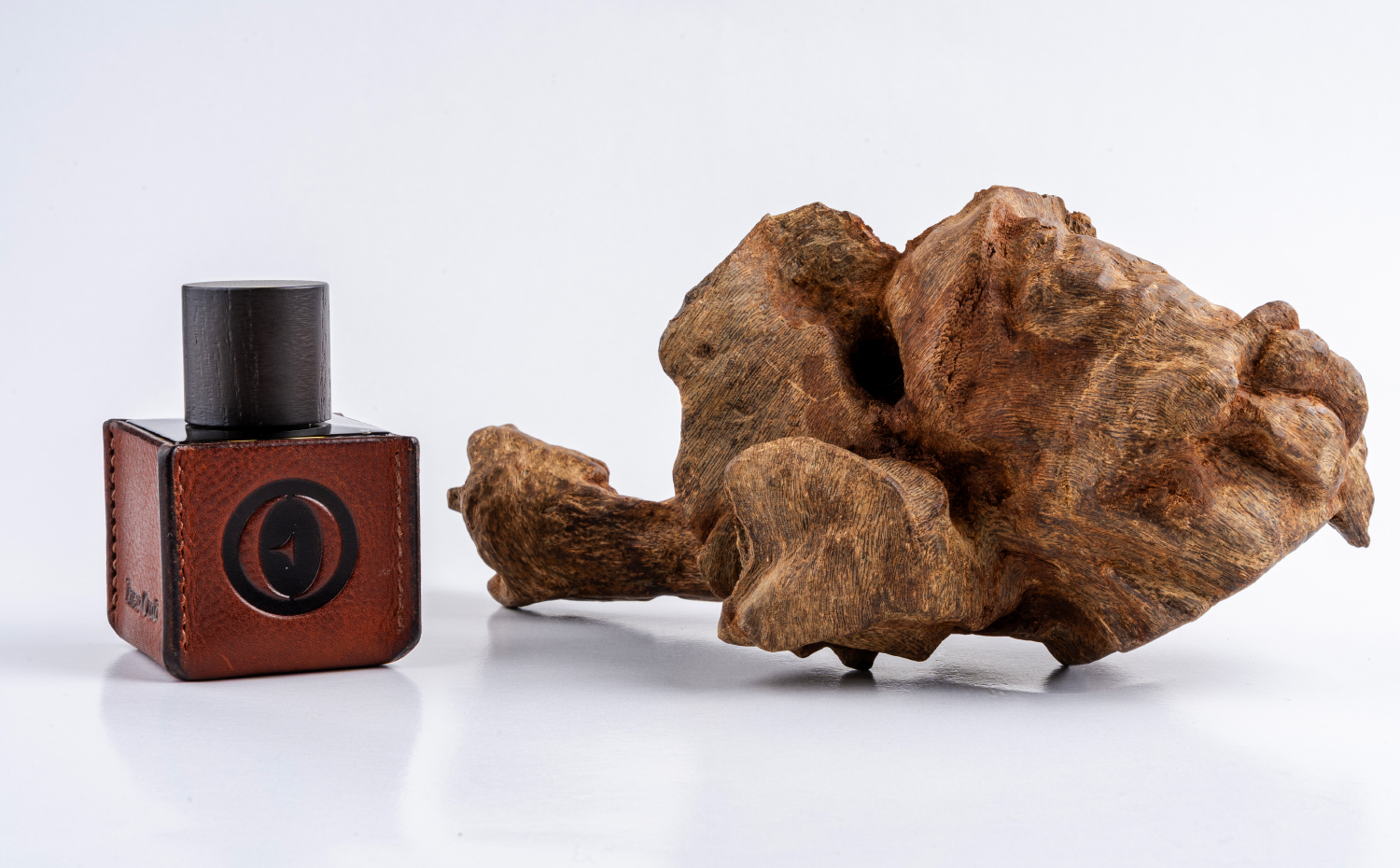
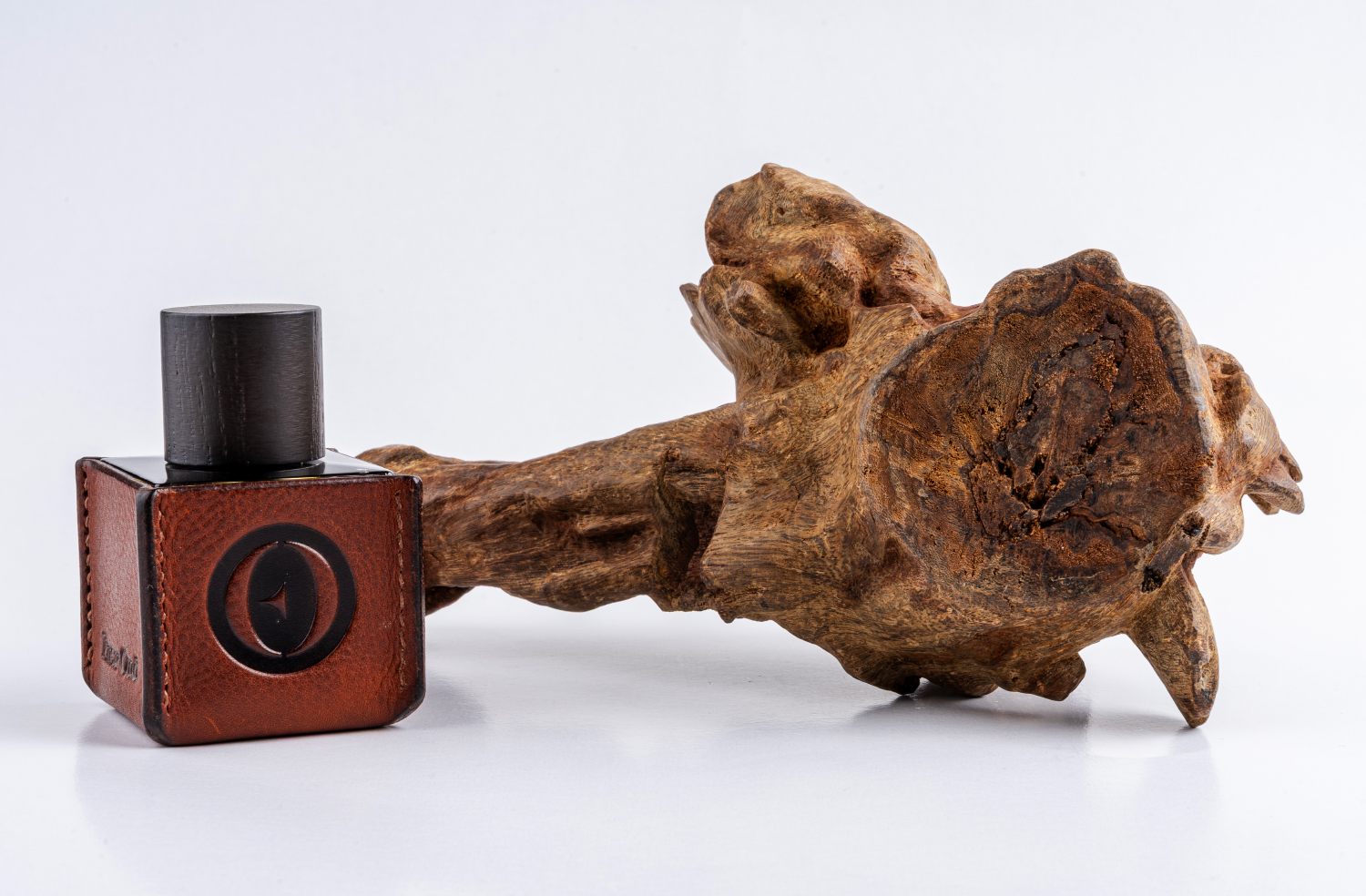
This is wild White Kinam from Hainan island – among the rarest and most expensive strands of agarwood in the world.
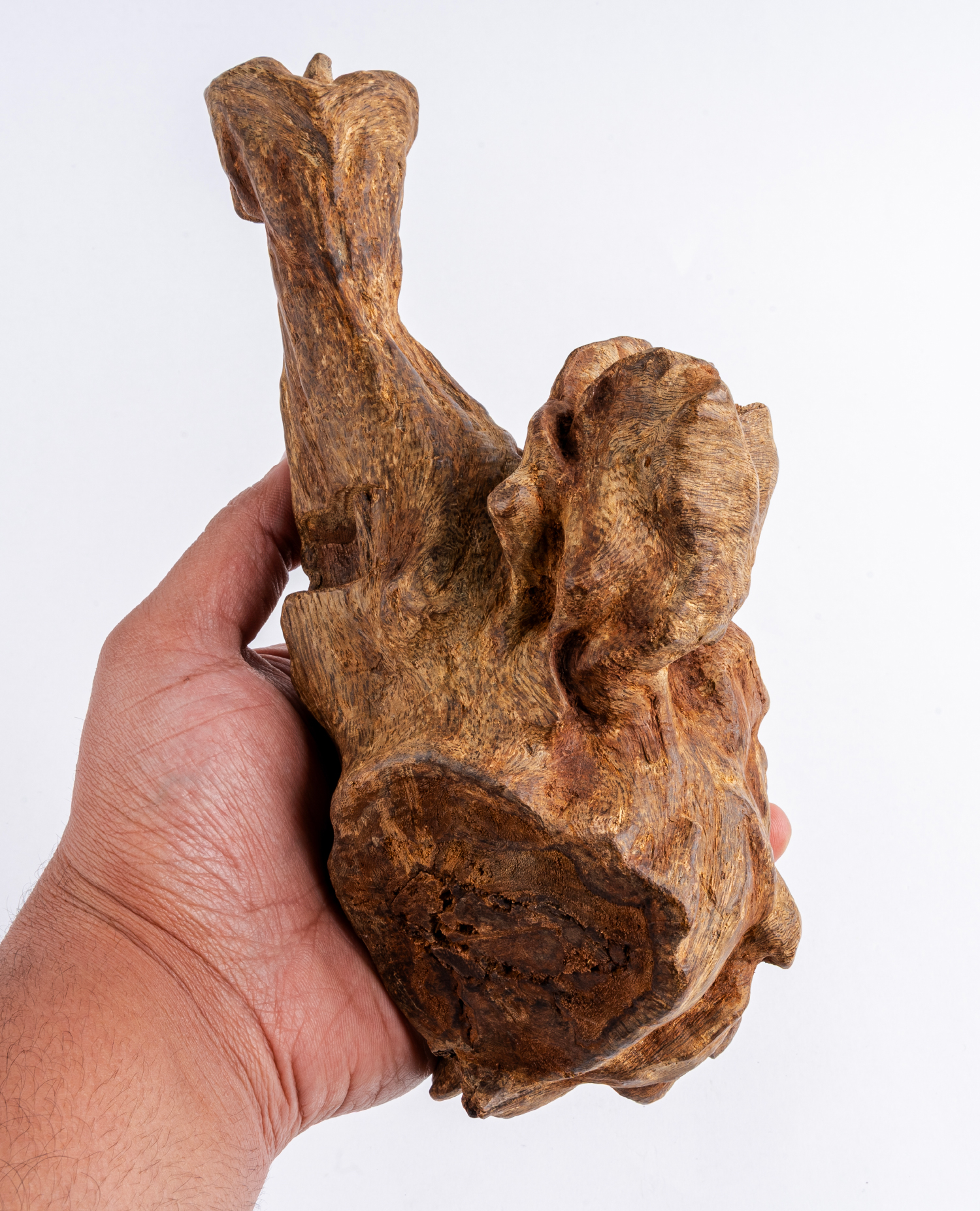
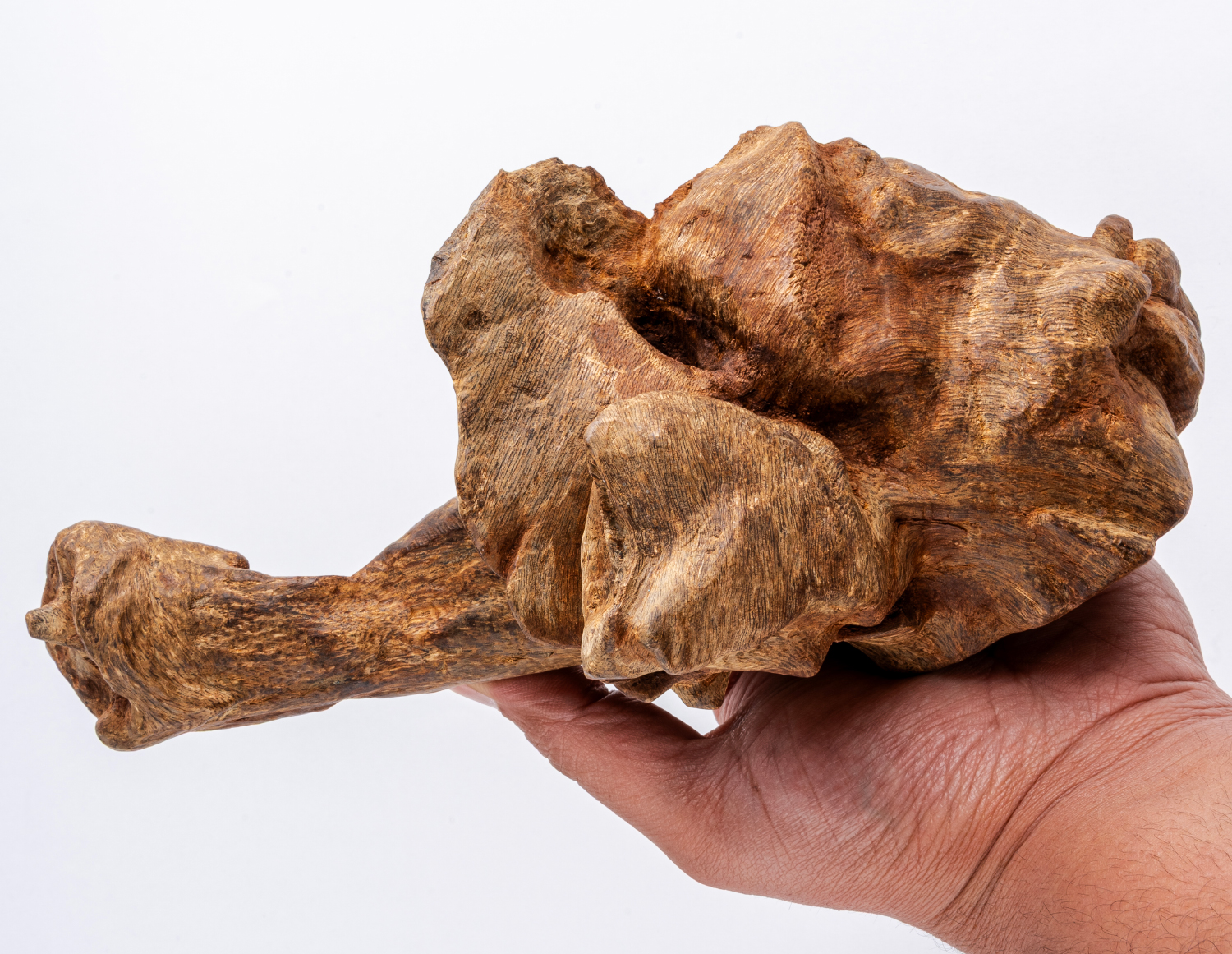
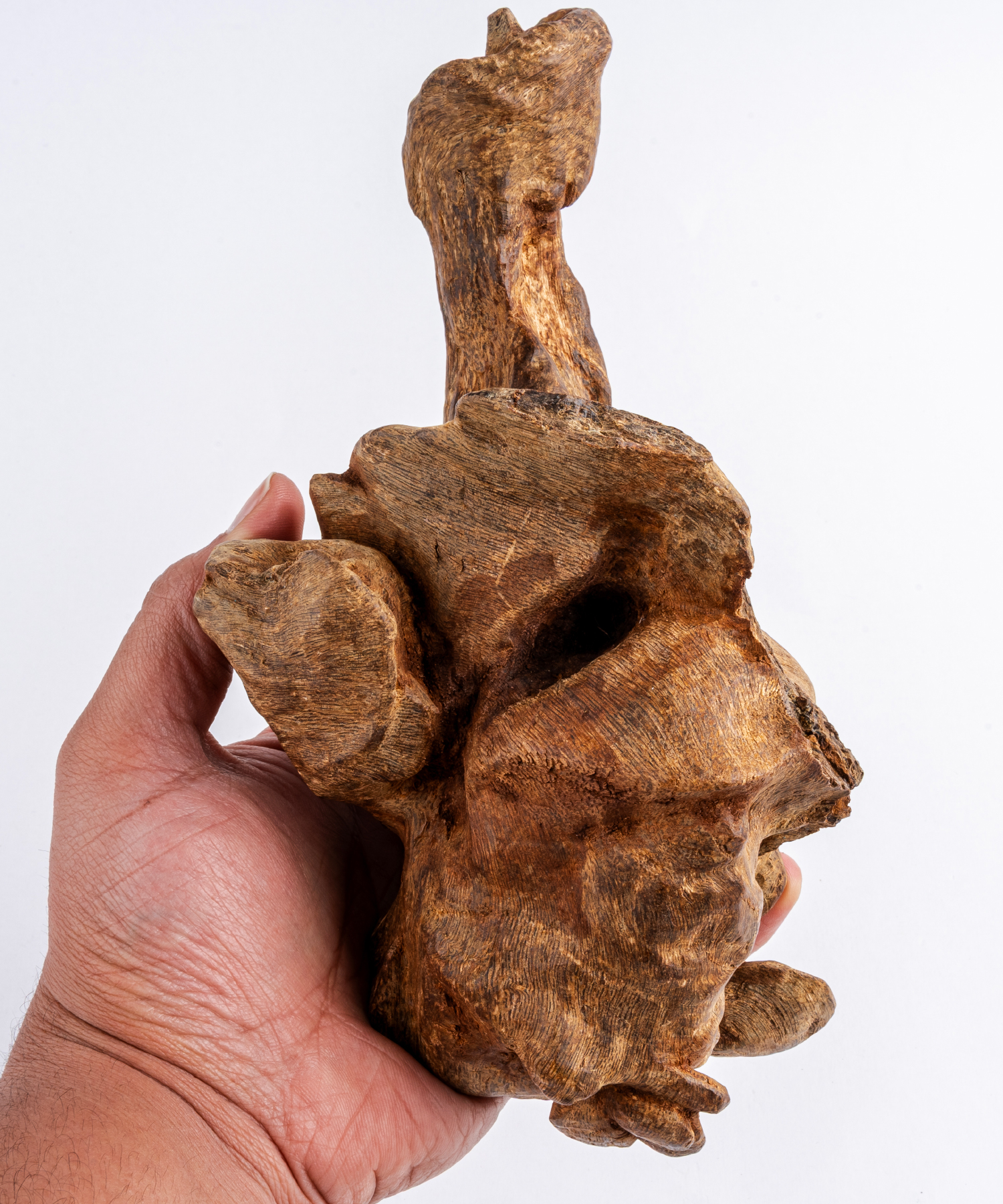
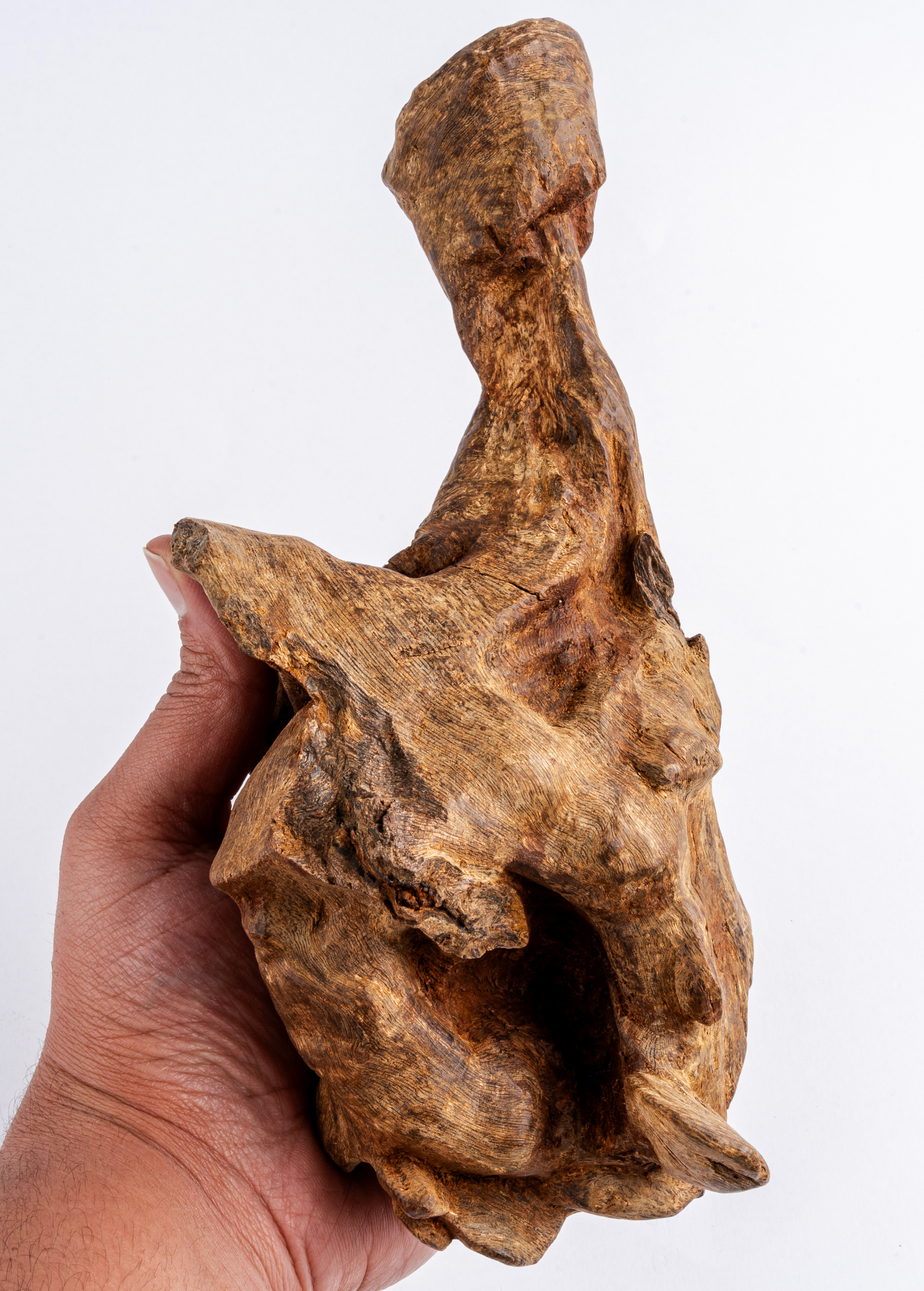
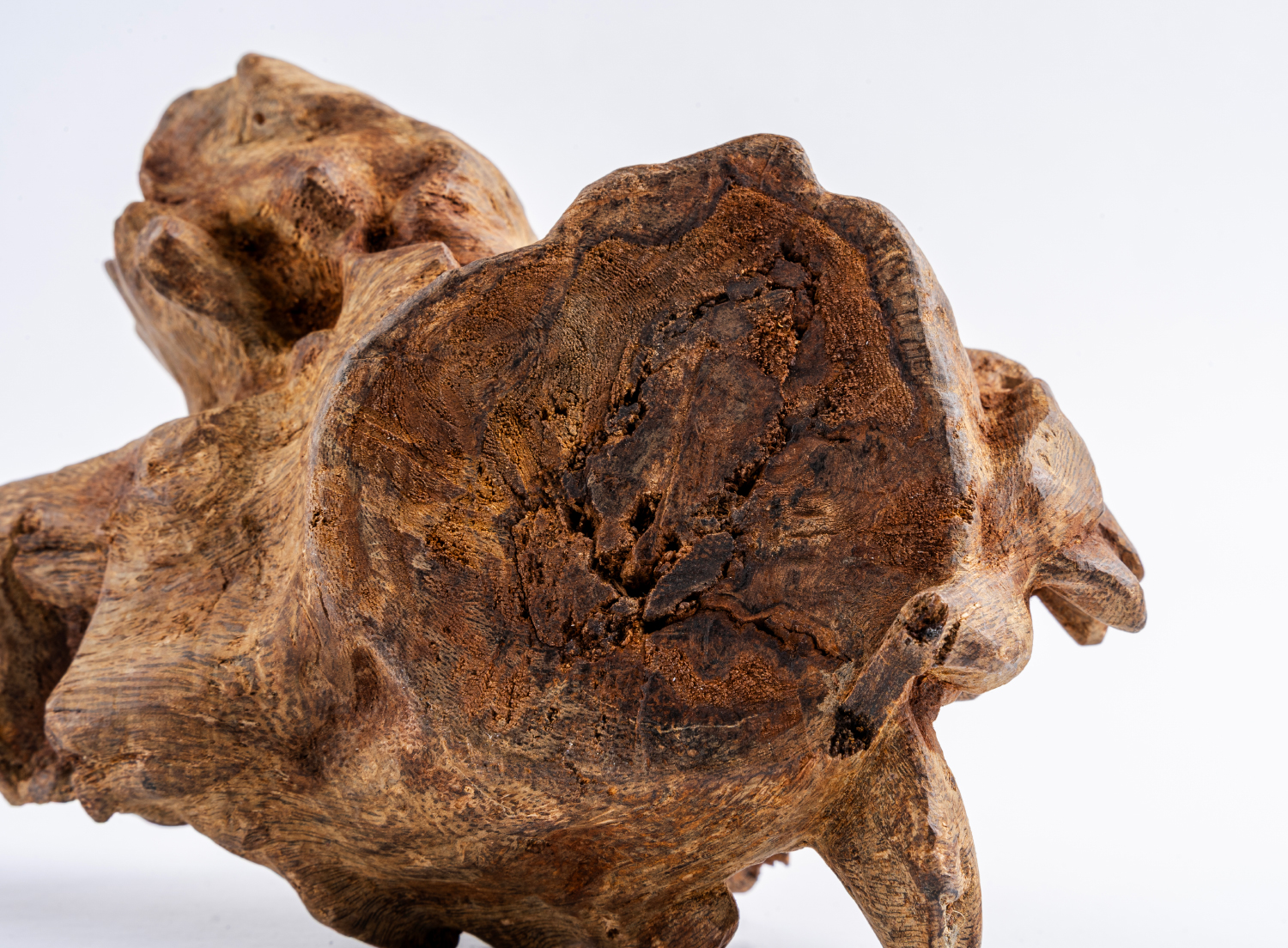
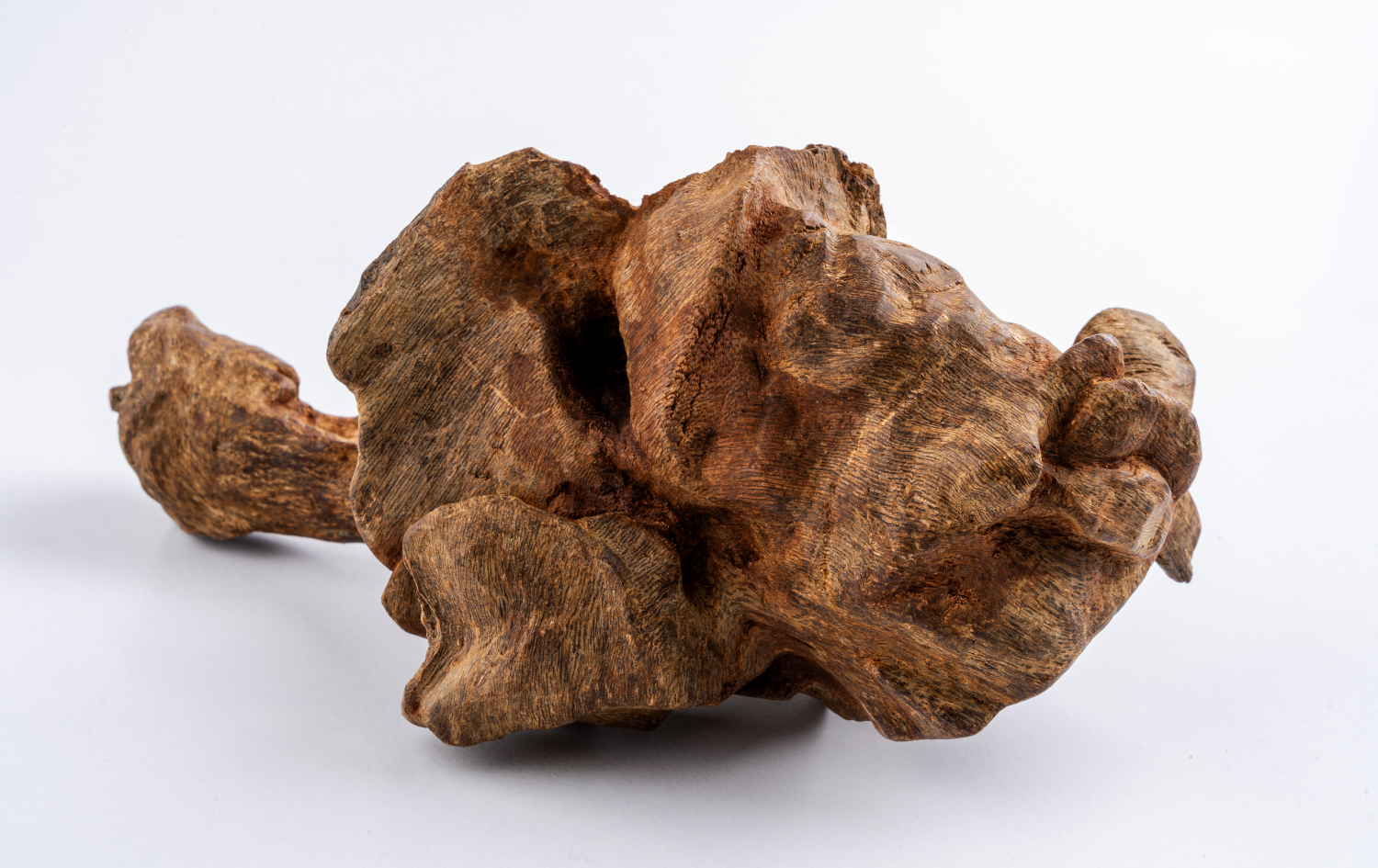
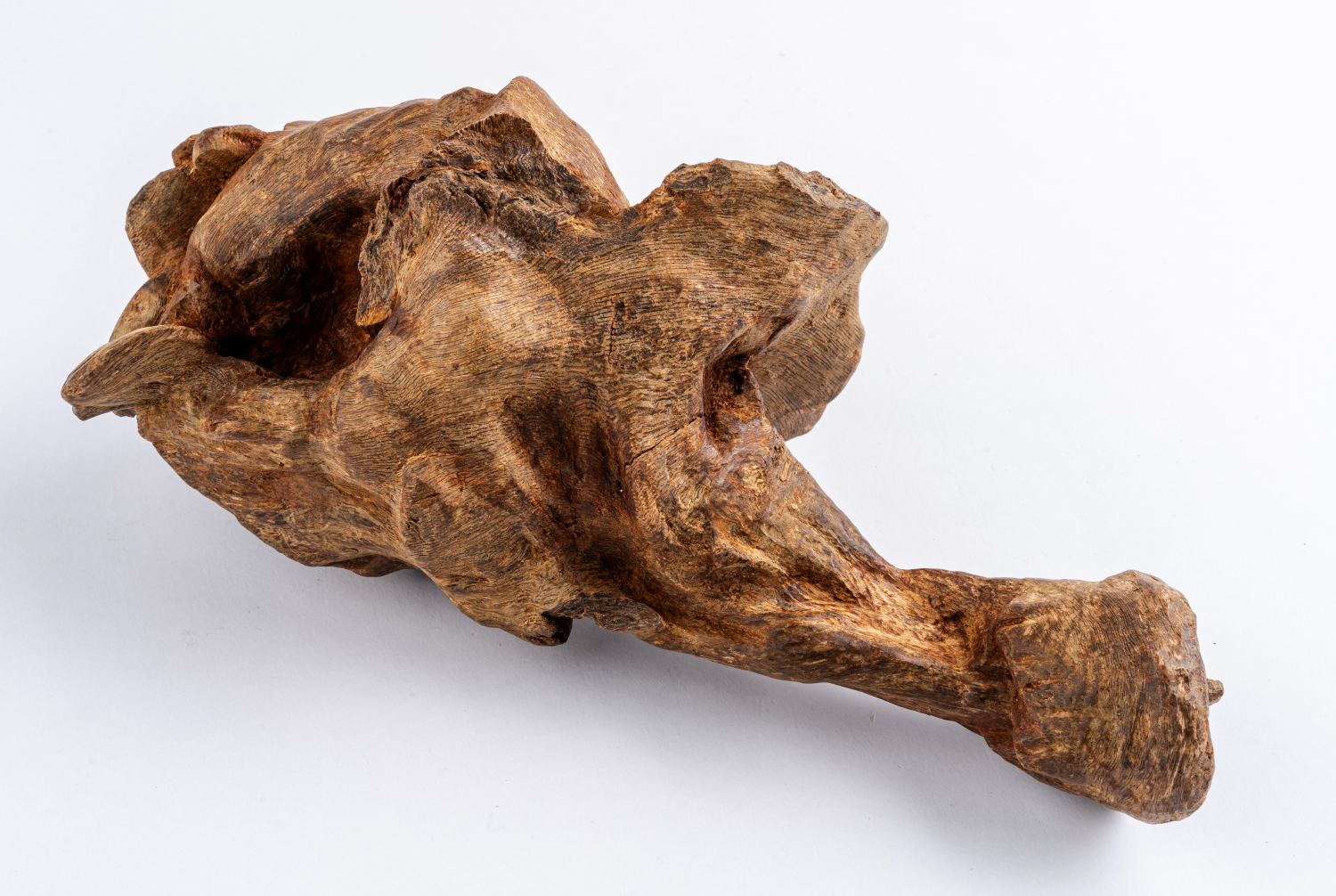
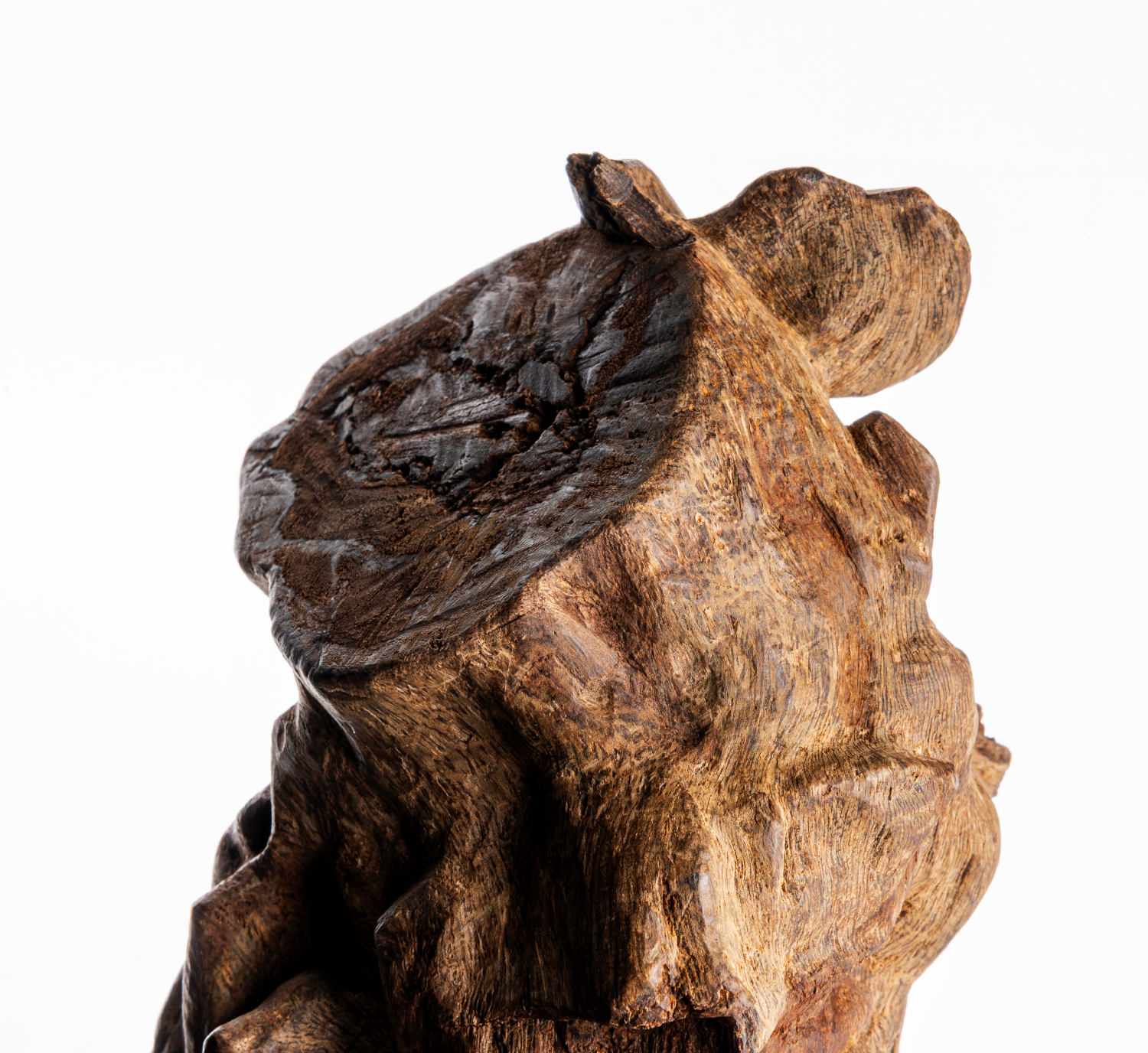
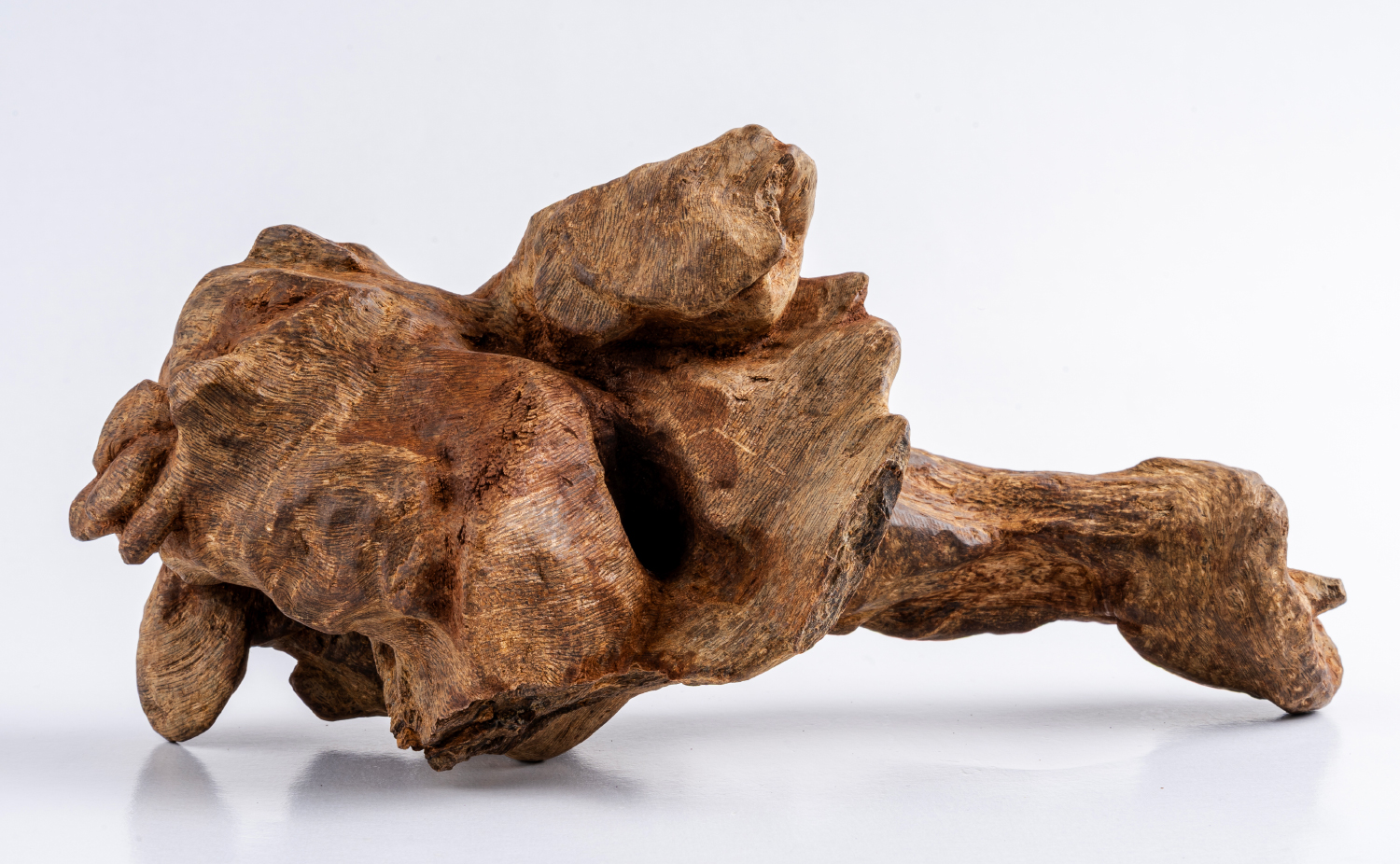
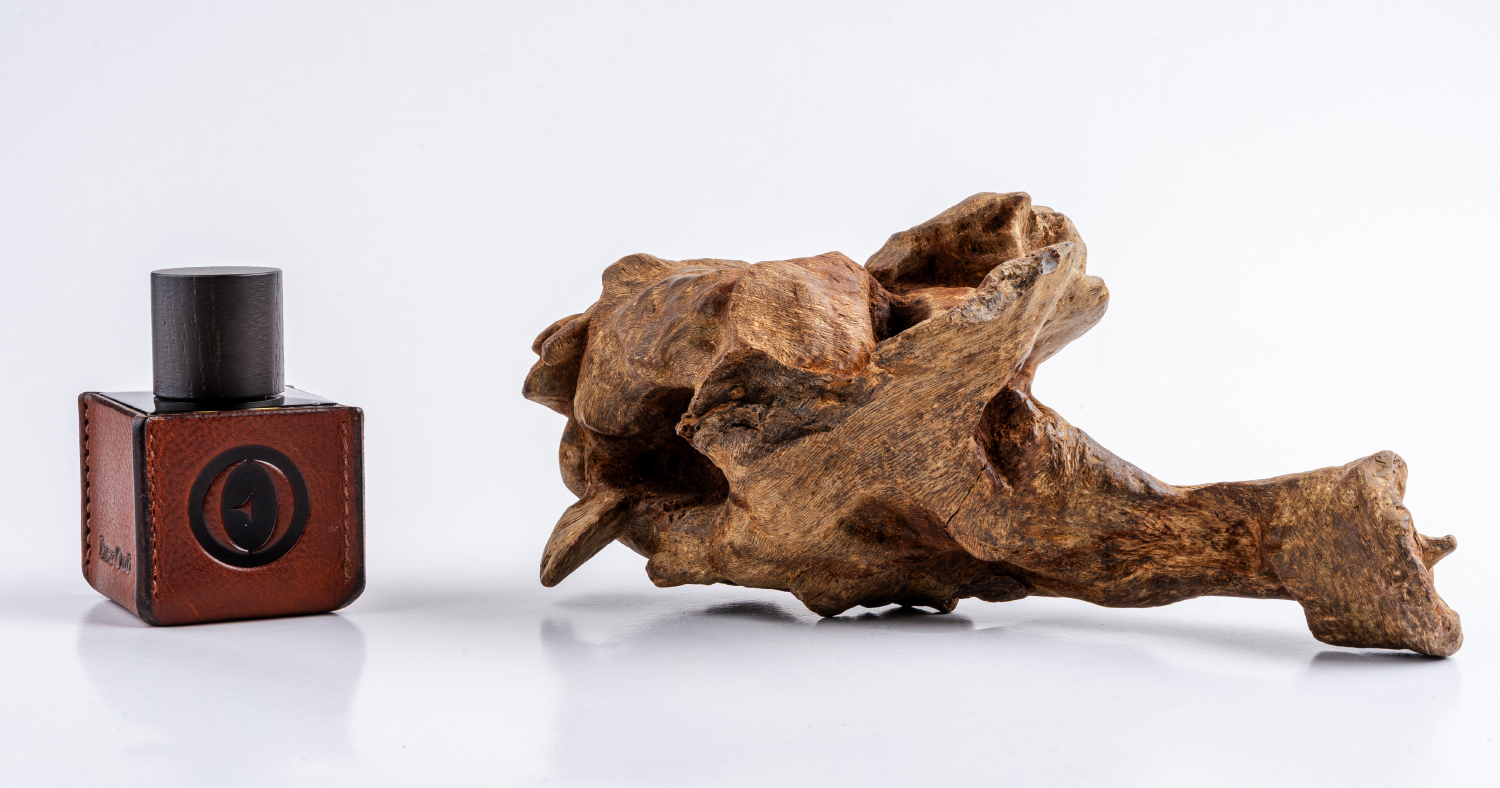
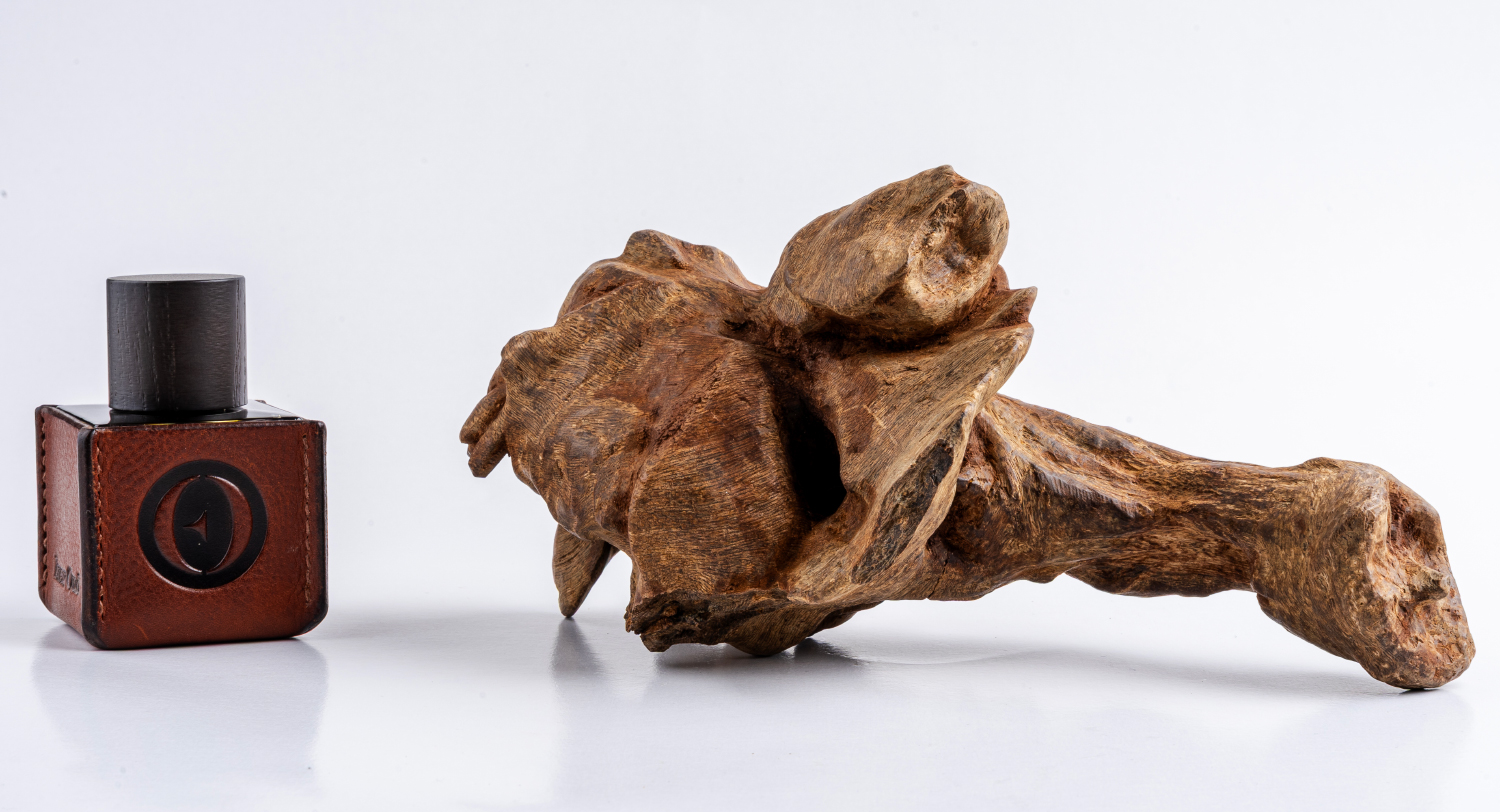
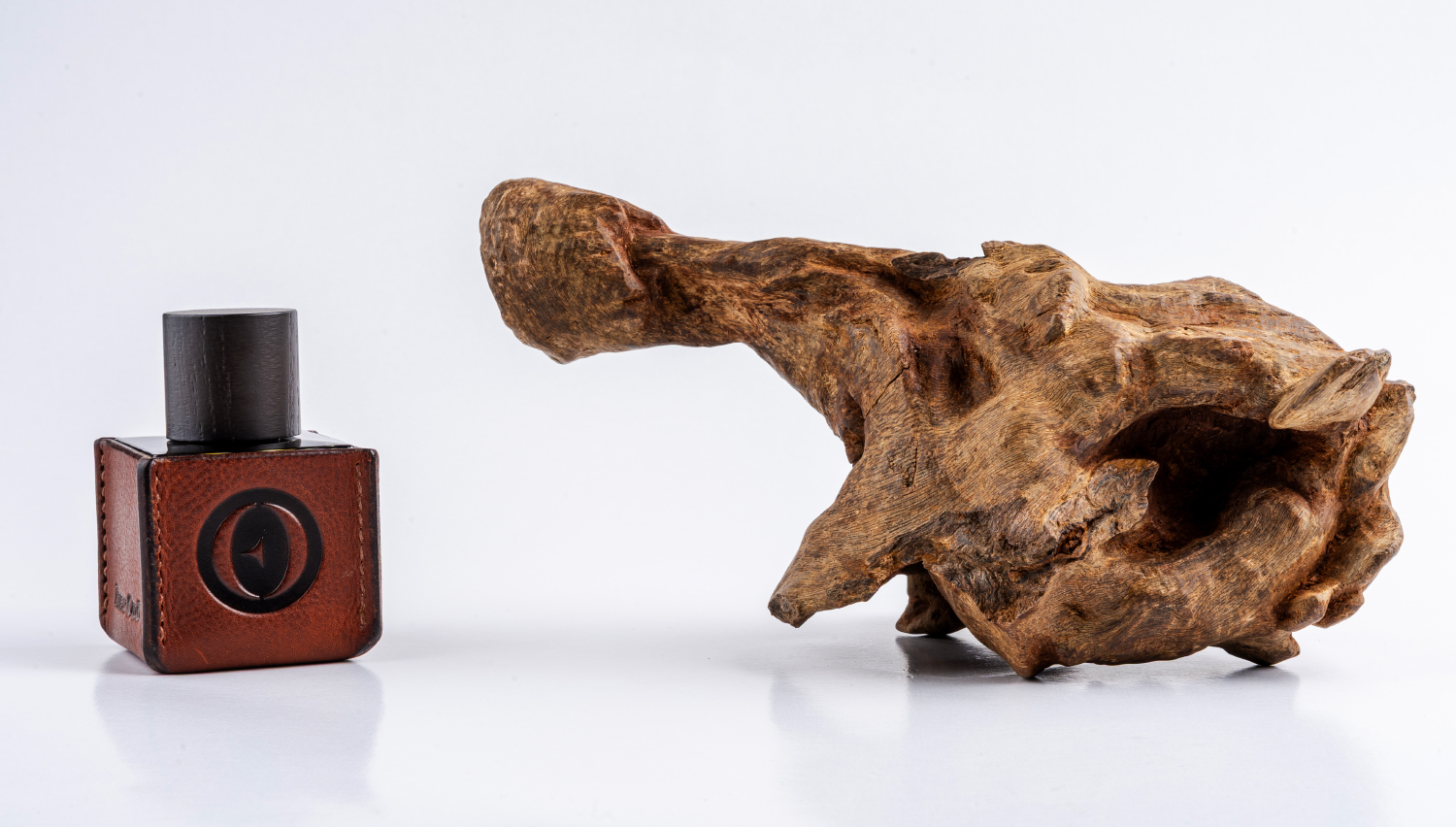
Unlike most modern offerings labeled as “White Kinam,” this piece was harvested from a live Aquilaria sinensis tree, not a soil-excavated remnant, nor cut from a new breed of ‘cultivated kinam‘. Finding any solid chunk of agarwood this size is like striking gold. A piece of olde Hainan? A chunk of White Kinam?
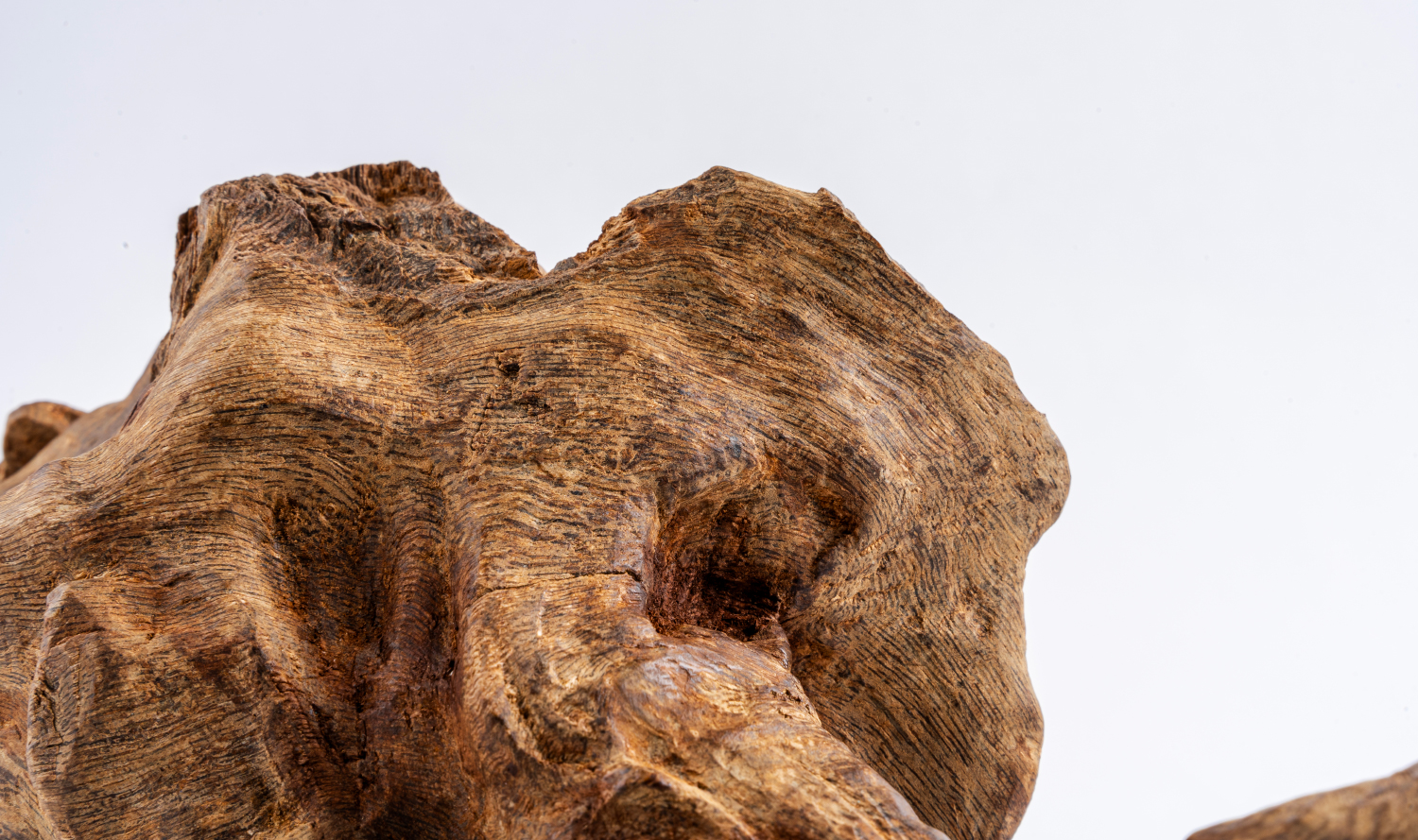
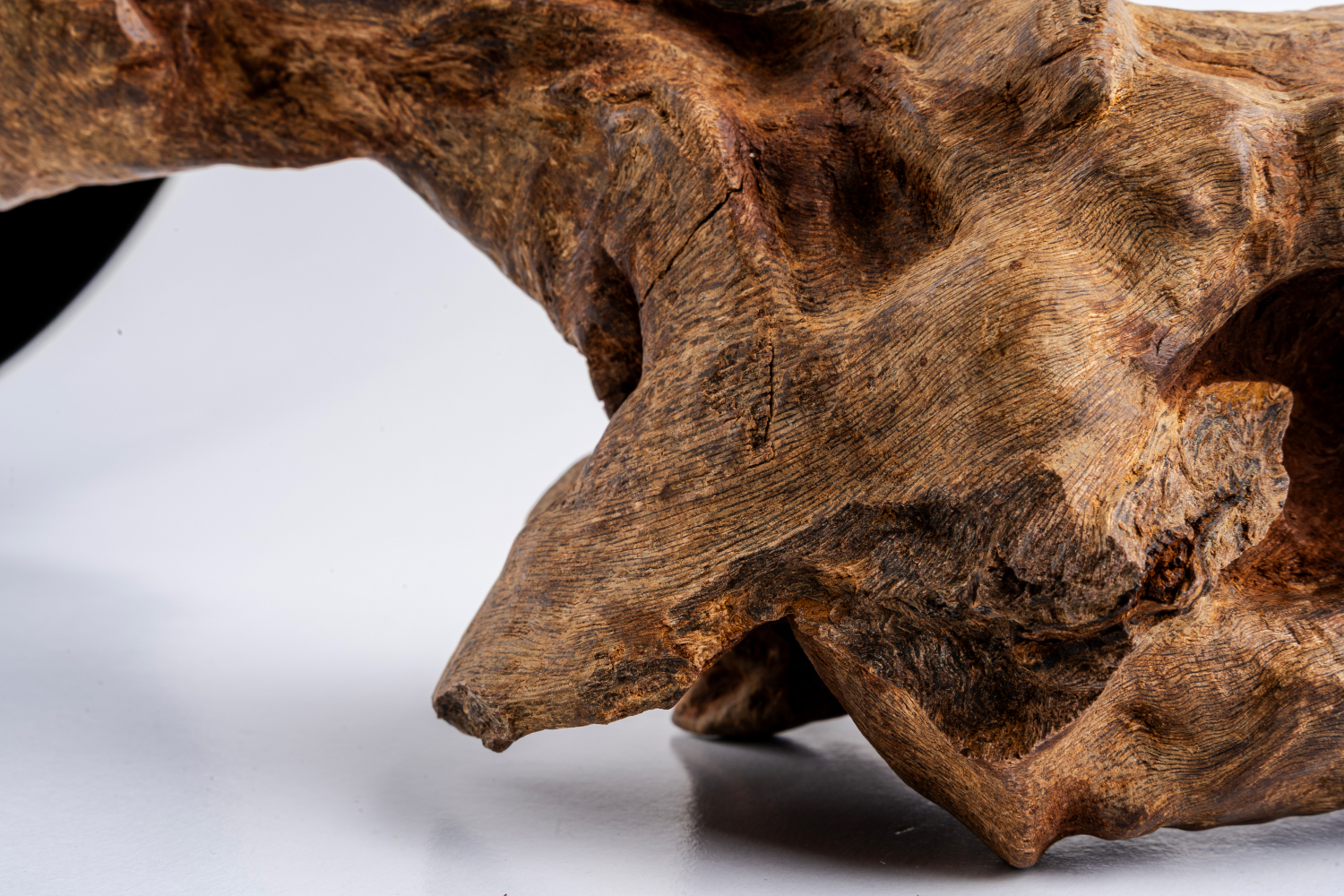
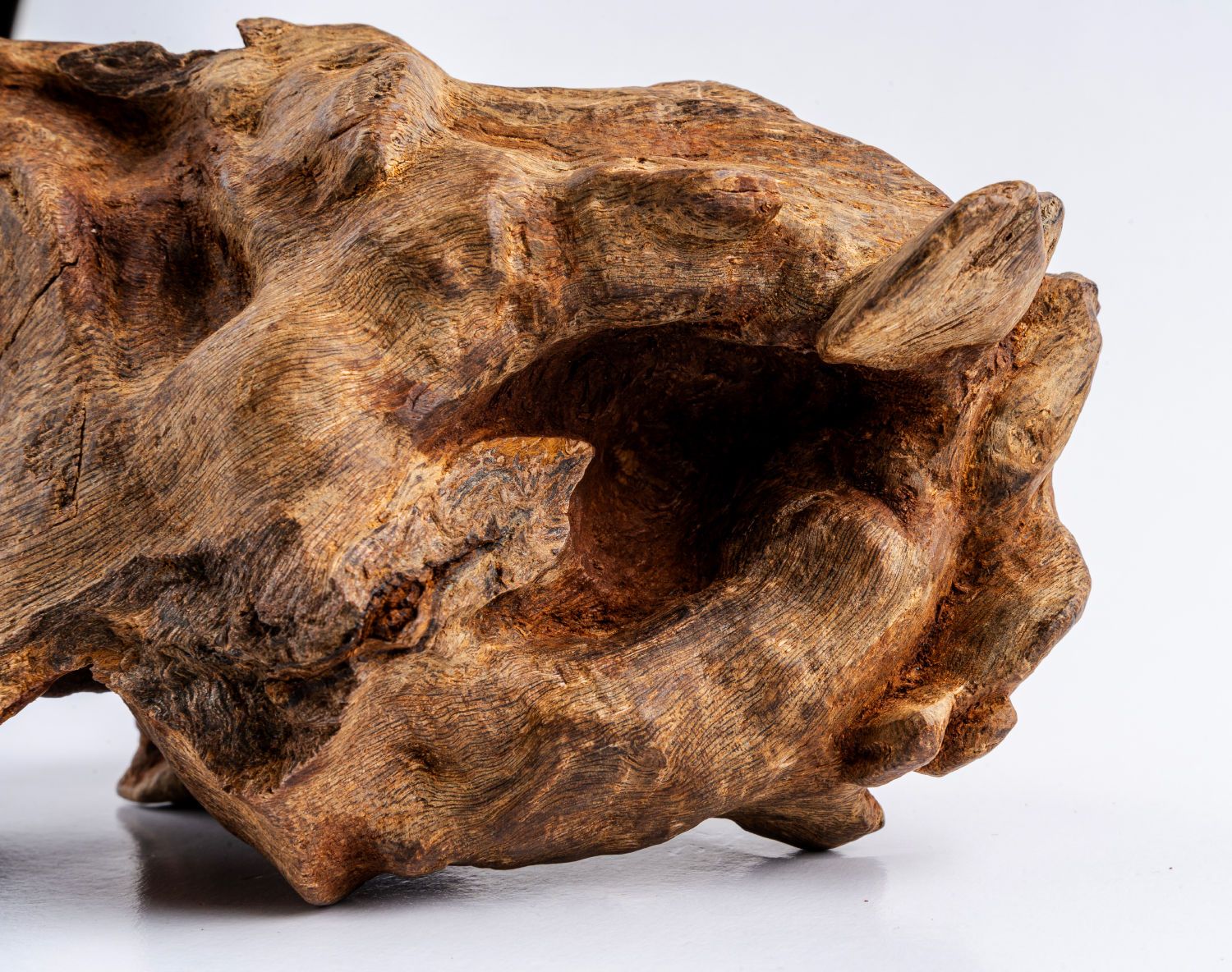
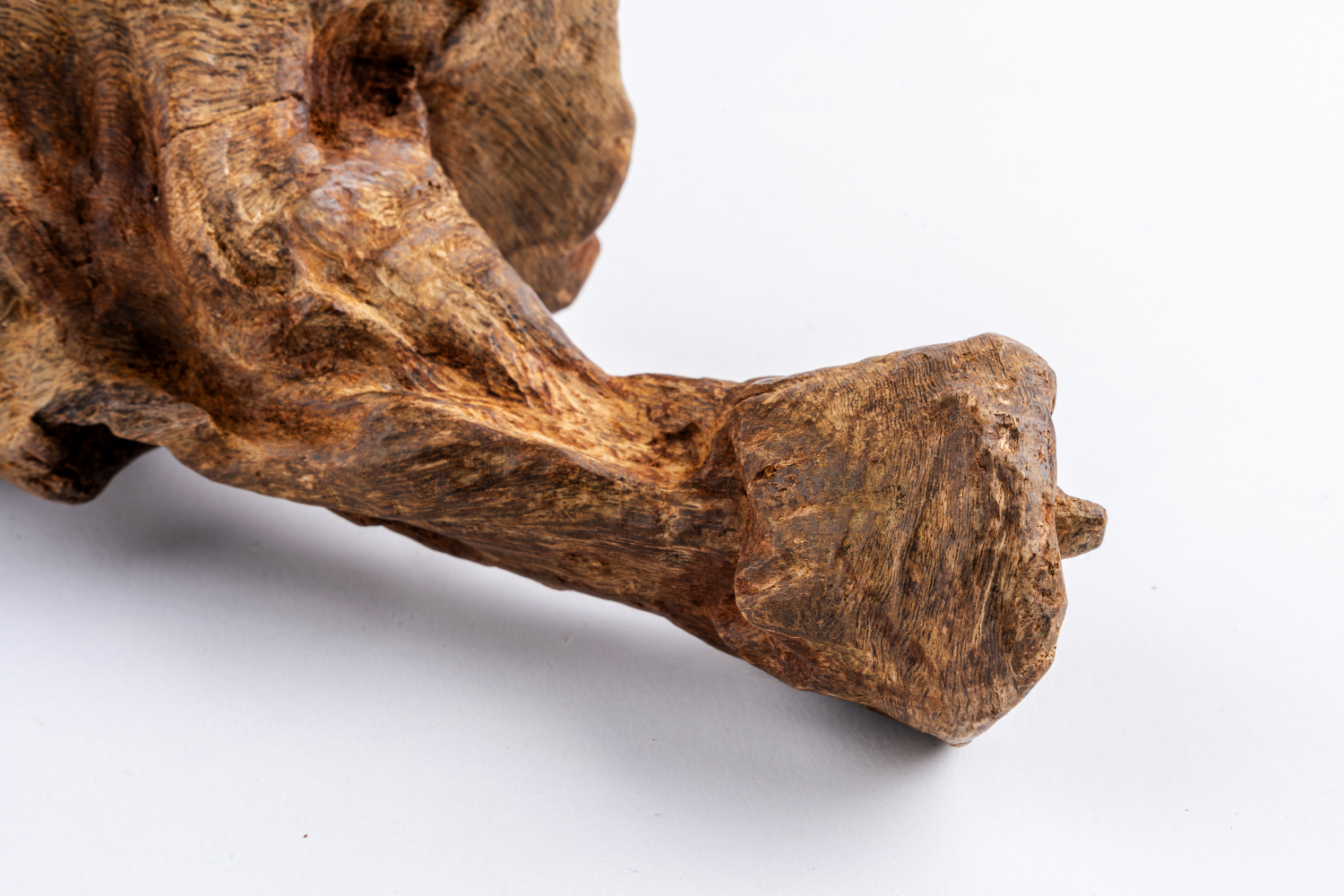
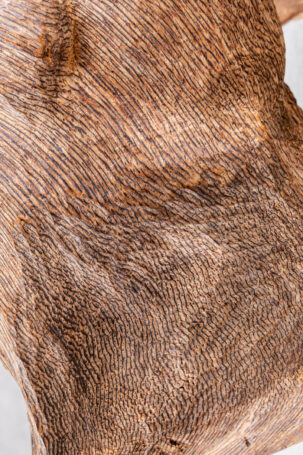
Chinese kinam has the most distinct resins train that I’ve come across (compare with The Bison to see what I mean), which, aside from what the strains indicate (i.e. that this is kyara), it adds an easthetic beauty to the piece that’s unseen in the oud world.
The wood’s density is extremely high, with those internal resin veins distributed in tight, fibrous channels – a hallmark of genuine high-grade kinam. No filler streaks or discoloration from rot or non-resinated blocks – just threads of the rarest kinam through and through.
It has one of the richest olfactory profiles I’ve smelled from raw agarwood. In contrast to the zest of green kinam, the balsamic sweetness of red kinam, this piece is dry spice with no sweetness – notes of sun-dried ginger, and peppercorn. Warm, tannic resin with a low-pitched bitterness. No green citrus or floral tones as found in green kinam. A tinge of a herbal, medicinal bitterness – and the bitterness is not acrid but cooling and mouth-numbing.
To acquire White Kinam you’re looking at a market that’s effectively frozen – most remaining specimens are held by Japanese incense houses or Chinese collectors. No wild White Kinam from Hainan is currently harvested, and none has been exported officially in over a decade that I’m aware of.
This is kinam by original definition: naturally infected, wild agarwood from old-growth Aquilaria sinensis, with a dry-bitter scent profile and non-sweet complexity.
…And just look at the size!
Related products
Impossible as it is, even if you could…
This product has multiple variants. The options may be chosen on the product page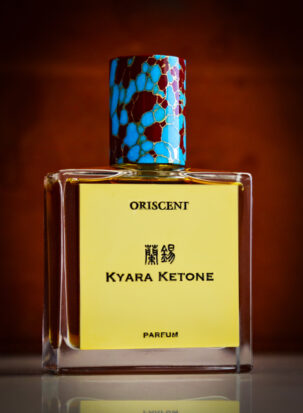
Though Kyara Ketone comes stacked with aromatic layers, it presents as…
This product has multiple variants. The options may be chosen on the product page